Fujifilm adds black-and-white and waterproof disposable QuickSnap cameras
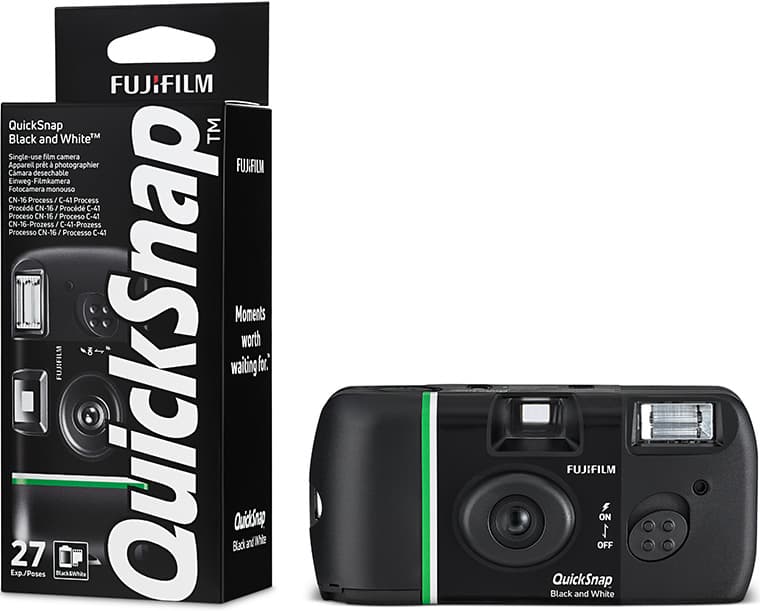
Fujifilm is adding a black-and-white disposable QuickSnap and a waterproof version as Gen Z keeps turning film cameras into a premium way to slow down.

Fujifilm is expanding its QuickSnap disposable camera line with two new models aimed at shoppers who want film’s delay, grain and unpredictability instead of instant digital polish. The QuickSnap Black and White and QuickSnap Active are set to reach the U.S. market in Fall 2026, as the company marks 40 years since QuickSnap first appeared as the world’s first single-use camera.
The black-and-white model uses ISO 400 monochrome negative film and comes with 27 exposures, a built-in flash with an approximate 10-foot range, a flash switch and C-41 processing. It will sell for $22.90 in the United States and $34.99 in Canada. The QuickSnap Active uses ISO 800 color negative film, also has 27 exposures, and adds a protective housing, wrist strap and waterproofing to 35 feet, or 10 meters. Fujifilm North America priced that model at $24.75 in the U.S. and $36.99 in Canada.

Photos are not visible until development, and that uncertainty, along with the atmospheric look of the finished images, continues to resonate, especially with younger generations. Bing Liem, division president of Imaging Division at FUJIFILM North America Corporation, said one-time-use cameras offer “intentionality” in an era of constant smartphone notifications.
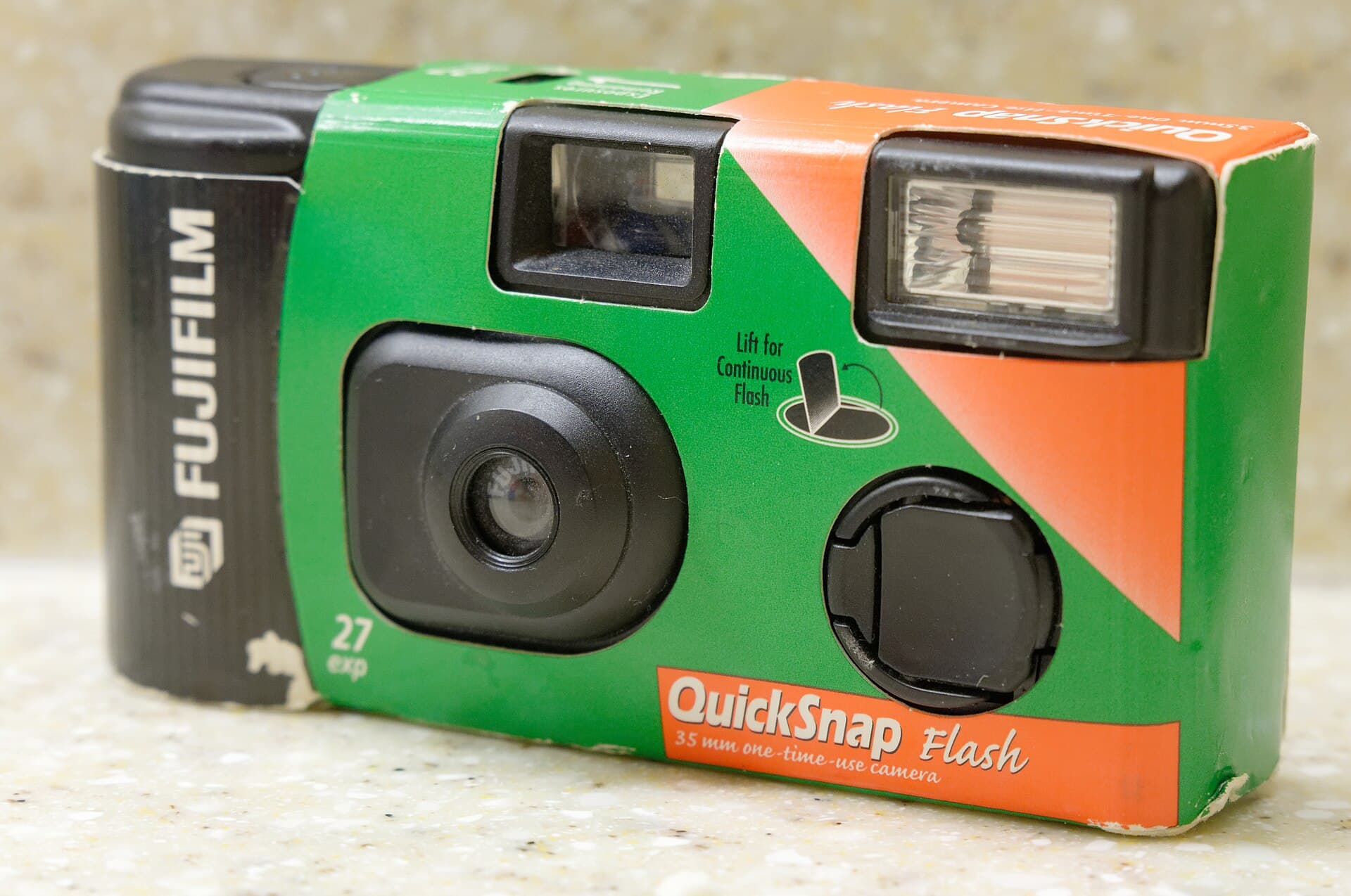
Fujifilm says QuickSnap has now sold more than 1.7 billion units worldwide since its introduction in July 1986. In Japan, the QuickSnap Active is scheduled to arrive in early August 2026, followed by the QuickSnap Black and White from September 2026 onward. Fujifilm is also releasing a QuickSnap hand strap and a special 40th anniversary logo.
This article was produced by Prism’s automated news system from verified source data, official records, and press releases, then run through automated quality and moderation checks before publishing. The system is built and supervised by the people who set the standards it runs under. Read our full AI policy.
Did this article answer your question?