FWS, FWC Seek Monroe County Input Through 15-Minute Key Deer Survey
The U.S. Fish and Wildlife Service and FWC asked those who live, work or recreate in Monroe County to take a voluntary, 15-minute online survey about Key deer to inform conservation.
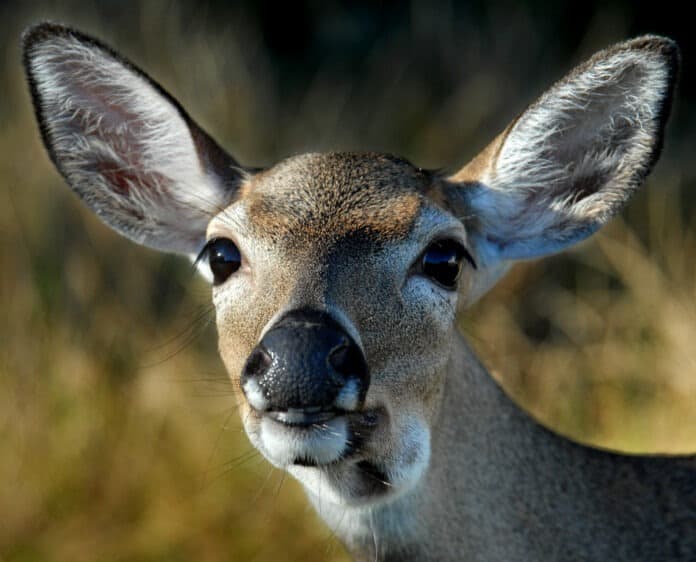
The U.S. Fish and Wildlife Service and the Florida Fish and Wildlife Conservation Commission are seeking input from those who live, work, or recreate in Monroe County by asking them to complete a brief online survey about Key deer, a local outreach step announced March 2 to gather public awareness and experience on the islands. The KeysWeekly notice said, "The survey is intended to better understand public awareness, experiences and interest in Key deer conservation and outreach."
KeysWeekly made clear the target audience and the time commitment: "Participation is voluntary and takes approximately 15 minutes." The local piece, labeled "Contributed," states that "these survey responses will support efforts to protect and conserve this unique species found only in the Florida Keys," but the published excerpt did not include the survey link.
At the federal level, the U.S. Fish and Wildlife Service simultaneously announced it is seeking public comment on a draft amendment to the Key deer recovery plan. The FWS release states, "The amendment explicitly incorporates the threat of sea-level rise in delisting criteria that was not included when the recovery plan was initially developed," and adds that "In addition to the downlisting criteria, the draft amendment will include requirements that must be met before the delisting of North America’s smallest deer can occur." The FWS also reiterated that "An amendment to a recovery plan does not affect the current ESA status of the species" and reminded readers that "The Key deer was listed under the Endangered Species Act (ESA) in 1967."
Local planning documents offer historical context on public involvement and mitigation steps. Monroe County materials note that "The development of the HCP included extensive public involvement activities. The public information and participation plan included identification of stakeholders, periodic project-update mailings, several public meetings, and an open-door policy for public input." The county record shows "Three public meetings were held in Big Pine Key between February 2000 and March 2001." On road mortality, a 1996 FDOT Concept Study recommended specific measures: "wildlife underpasses be installed to allow the Key deer to move safely across the undeveloped segment of US-1 (approximately MM 33.0 to MM 31.0) and ... a series of non-structural options, including signage, be implemented in the developed portion of US-1 in Big Pine Key (approximately MM 31.0 to MM 29.5)."
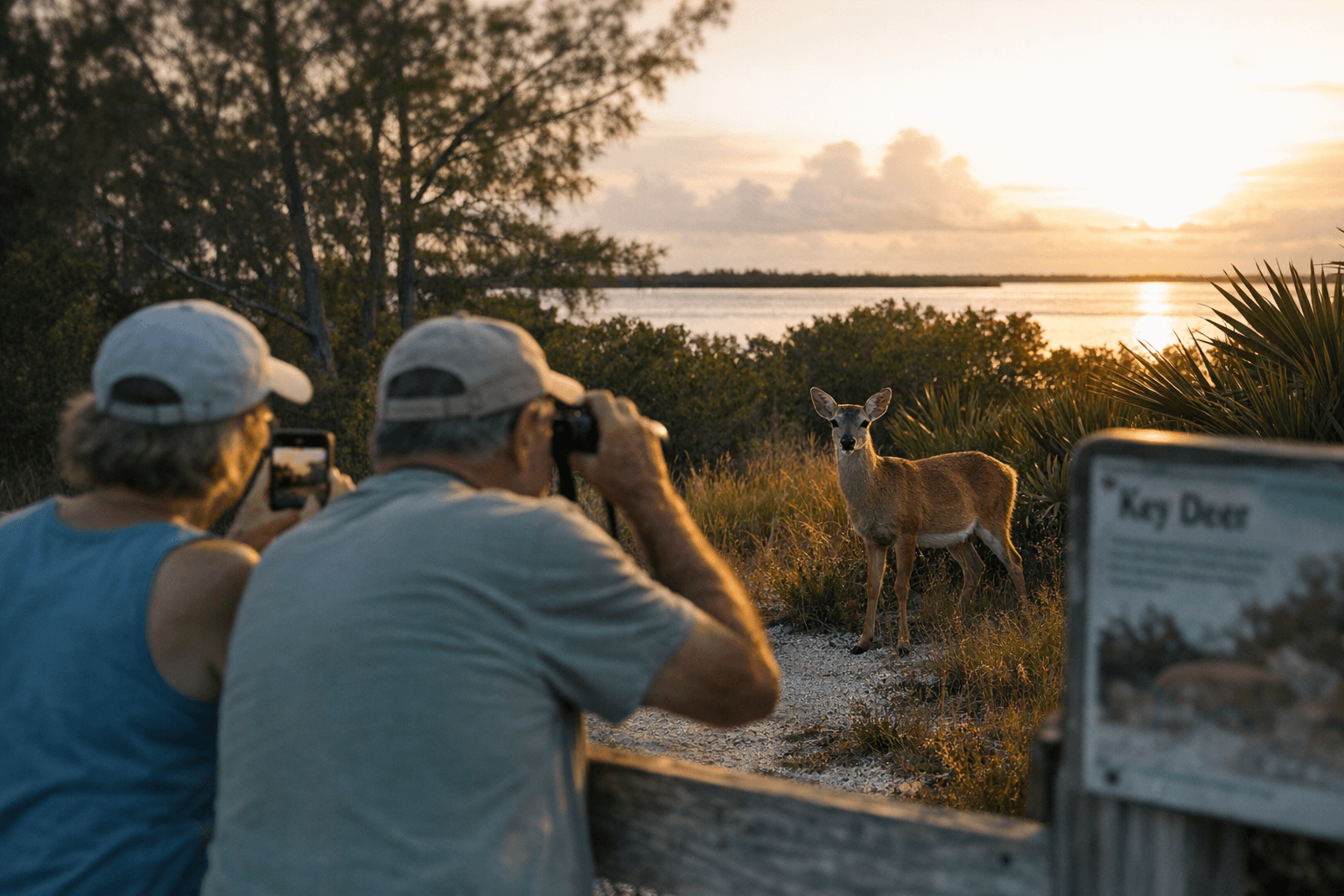
Guidance from wildlife-management literature underscores how agencies use public input to set goals. The Fishwildlife guidance says, "When defining success, wildlife agencies should work directly with elected officials," and that agencies can use surveys and conflict indices: "Some indices include: levels of deer-vehicle collisions, property damage, environmental degradation, incidence of Lyme disease, and tolerance levels of residents." The same guidance notes state agencies "issue any permits necessary for various management activities such as contraception and sterilization, capture and tagging, translocation, culling, and hunting."
Several procedural details remain absent from the available notices: the KeysWeekly excerpt omitted the survey URL, and the FWS excerpt did not include a comment deadline or media contact in the supplied text. Agencies have invited comment broadly — "Comments from local, state and federal agencies, Tribes, non-governmental organizations and the public are invited to inform the threats, recovery needs and implementation concerns for the endangered Key deer" — and next steps will hinge on how Monroe County responses and formal public comments are incorporated into the recovery-plan amendment and local mitigation planning.
Know something we missed? Have a correction or additional information?
Submit a Tip