G7 pledges more air defense and energy support for Ukraine
G7 leaders promised more air defense, energy support and pressure on Moscow, but the summit left Ukraine still fighting for concrete leverage on the battlefield.

Ukraine left the Group of Seven summit in France with fresh pledges, but the value of those promises will be measured in how quickly they become missiles, transformers and cash on the ground. The leaders of the U.S., Canada, Japan, Britain, France, Germany and Italy said they would strengthen Ukraine’s air defenses, help keep its energy system running and increase economic pressure on Moscow.
Volodymyr Zelenskyy called the outcome “important results for Ukraine” and said the most important was additional support for air defense. That emphasis was not accidental. Russian strikes on cities and critical infrastructure have made air defense one of Kyiv’s most urgent military needs, while attacks on the power grid continue to threaten heating, industry and civilian life.
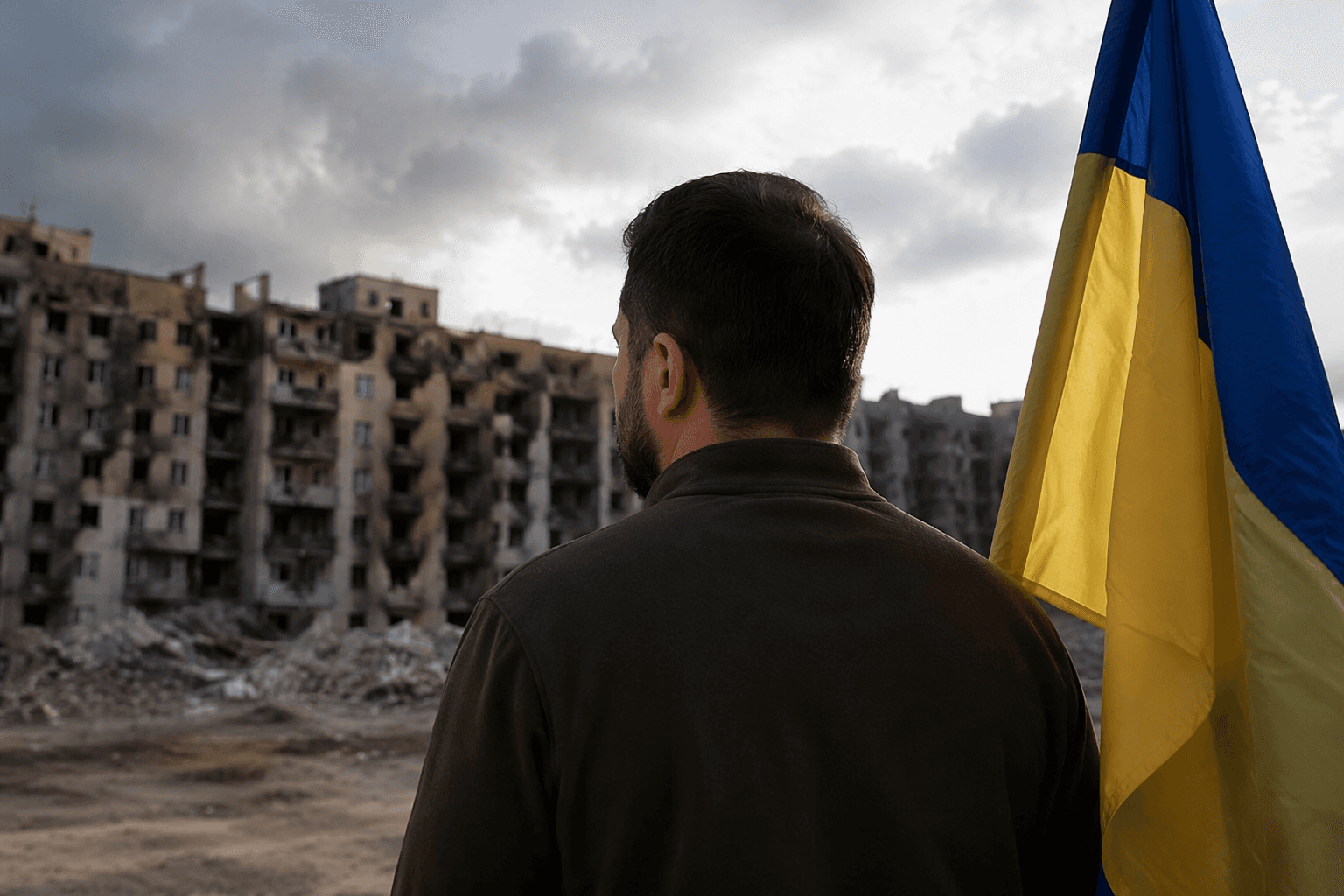
The summit came as the war entered its fifth year with no near-term end in sight. Ukraine has also just begun formal European Union membership negotiations, a process that could take years even if the front lines remain volatile. That longer horizon makes the G7’s immediate commitments more significant politically than strategically unless they are followed by rapid deliveries and sustained financing.
The timing mattered as much as the language. The conflict between Iran and Israel has pulled Washington’s attention away from its yearlong push to end the Russia-Ukraine war, giving Kyiv another reason to press its case in France. For Zelenskyy, the summit was a chance to keep Ukraine visible on the transatlantic agenda at a moment when competing crises threaten to crowd it out.
The joint statement from the seven major industrial economies also carried a broader message: despite war fatigue and multiple global flash points, the West is still trying to sustain support for Ukraine. Sanctions pressure remains one of the few tools available to constrain Russia’s war economy, and the promise of stronger economic pressure suggests the allies still see leverage in tightening the screws on Moscow even as the battlefield grinds on.
What the summit produced, then, was a familiar mix of reassurance and restraint. Air defense help could save lives and protect infrastructure. Energy support could blunt the next wave of Russian attacks. But without a clearer timetable for delivery, the pledges also underscored a stubborn gap between diplomatic statements and battlefield impact, a gap Zelenskyy continues to work every summit, bilateral meeting and international forum to close.
This article was produced by Prism’s automated news system from verified source data, official records, and press releases, then run through automated quality and moderation checks before publishing. The system is built and supervised by the people who set the standards it runs under. Read our full AI policy.
Did this article answer your question?