Gareth Southgate documentary examines why boys are falling behind in England
Gareth Southgate’s BBC film lands as boys in England trail girls on exclusions, reading, GCSEs and later progression into higher education.

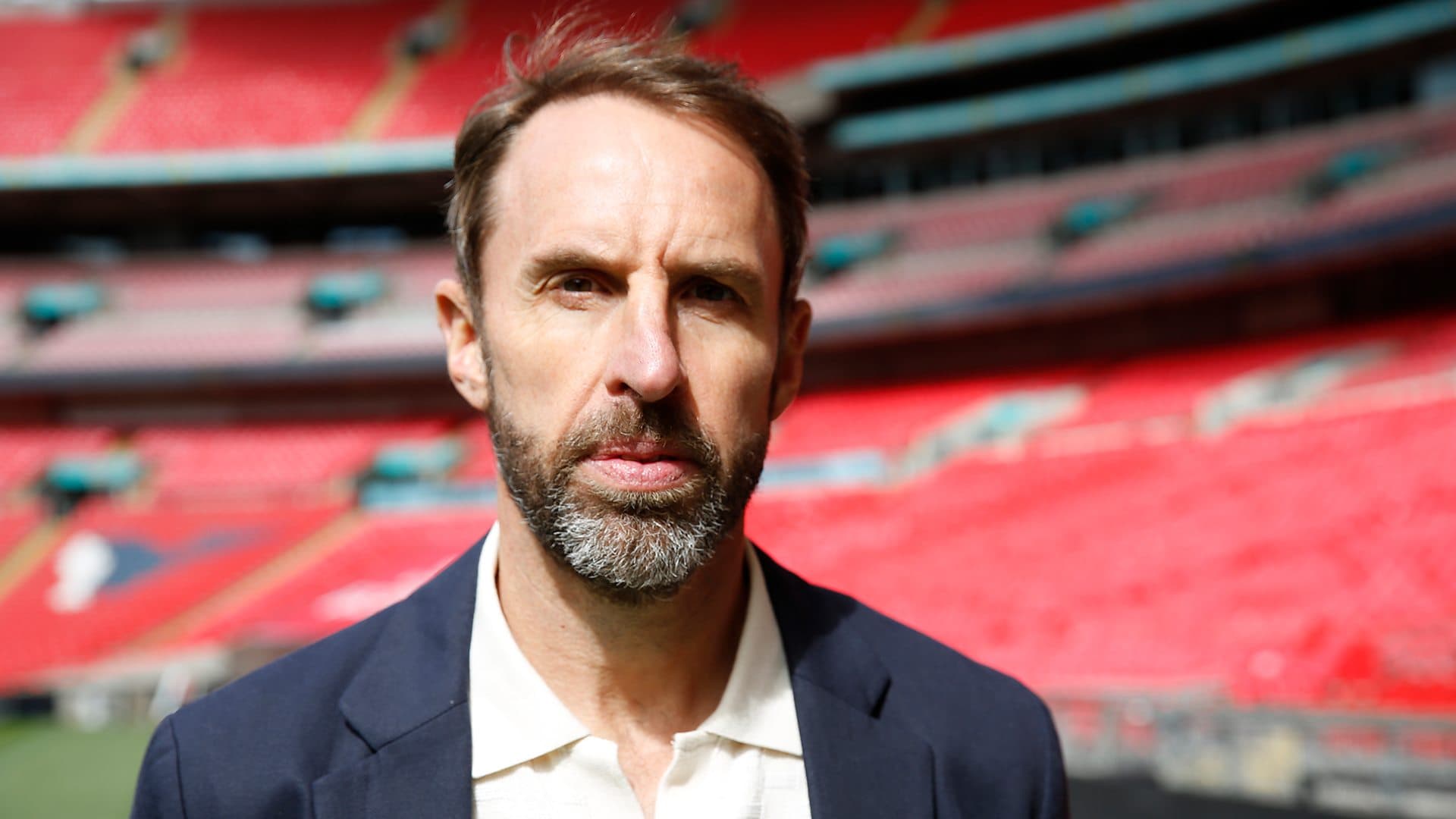
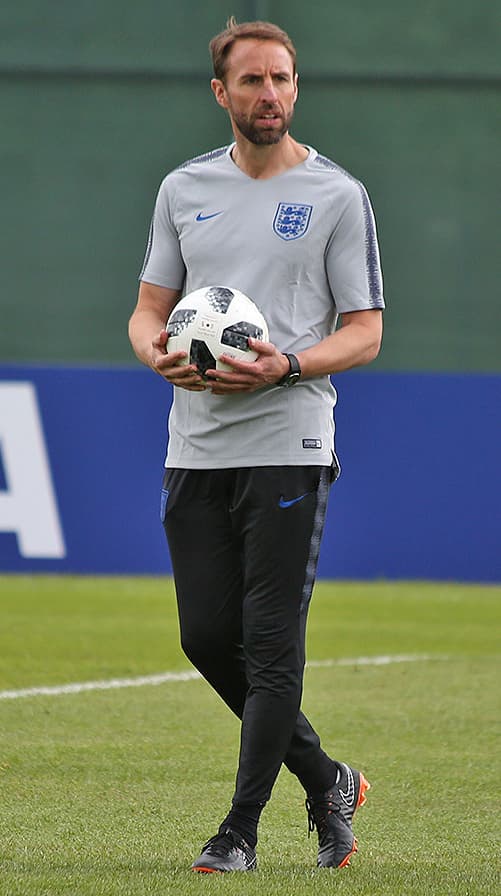
Gareth Southgate is using a prime-time BBC documentary to ask a simple but uncomfortable question: why are boys in England falling behind, and what should institutions do about it?
Gareth Southgate: Changing the Game for Young Men, a 1x60 film from Cardiff Productions, is due to air on BBC One and BBC iPlayer at 9pm on Monday 8 June 2026. The documentary, commissioned by Joanna Carr with Gian Quaglieni as BBC commissioning editor, Narinder Minhas as executive producer and Samuel Palmer as director, follows the former England manager as he travels across the UK speaking with boys and young men about school, work, identity, mental health and life at home.
Southgate has argued that the way boys are taught in schools should be changed to account for their “fundamental differences” from girls. In the film, he frames the project as a continuation of his wider purpose, aiming to get young men and boys talking openly and without judgement while helping steer the national conversation toward support rather than blame.
The argument lands against a stark statistical backdrop. In England in 2023/24, boys were more than 1.5 times more likely to be suspended than girls and more than twice as likely to be permanently excluded. By age five, just under two-thirds of boys had reached a “good level of development”, compared with about three-quarters of girls. At the end of primary school, 57% of boys met the expected standard in reading, writing and maths, against 64% of girls.
The gap persists into secondary school and beyond. In 2024, 63% of boys in state-funded schools achieved grade 4 or above in both English and maths GCSEs, compared with 68% of girls. By age 19 in 2022/23, 54% of women had started higher education, compared with 40% of men. Of those entering full-time undergraduate study in 2021/22, 15% of men did not continue to their second year, compared with 11% of women.
The wider social picture is just as pressing. The latest House of Commons Library briefing on youth unemployment said 729,000 people aged 16 to 24 were unemployed in the UK in January to March 2026, a rate of 16.2%. It also said 957,000 young people were not in education, employment or training in October to December 2025. Separately, Office for National Statistics figures showed 6,190 suicides were registered in England and Wales in 2024, with a male suicide rate of 17.6 deaths per 100,000, far above the female rate of 5.7.

The film also reached into Tees Valley. Middlesbrough Environment City, based at the former Nature’s World site in Acklam, hosted Southgate and the production team during filming, including a volunteering session with local young men. Its chief executive, Vicki Putson, said the programme’s themes matched the charity’s work on confidence, wellbeing, skills and belonging, underscoring how the debate over boys’ outcomes is being felt well beyond Westminster and Whitehall.
This article was produced by Prism’s automated news system from verified source data, official records, and press releases, then run through automated quality and moderation checks before publishing. The system is built and supervised by the people who set the standards it runs under. Read our full AI policy.
Did this article answer your question?