Gary Glitter charged with child sex offences in London case
Prosecutors charged Paul Gadd with child sex offences tied to alleged abuse from 1978 to 1981, and he will appear at Westminster Magistrates' Court on 5 August.
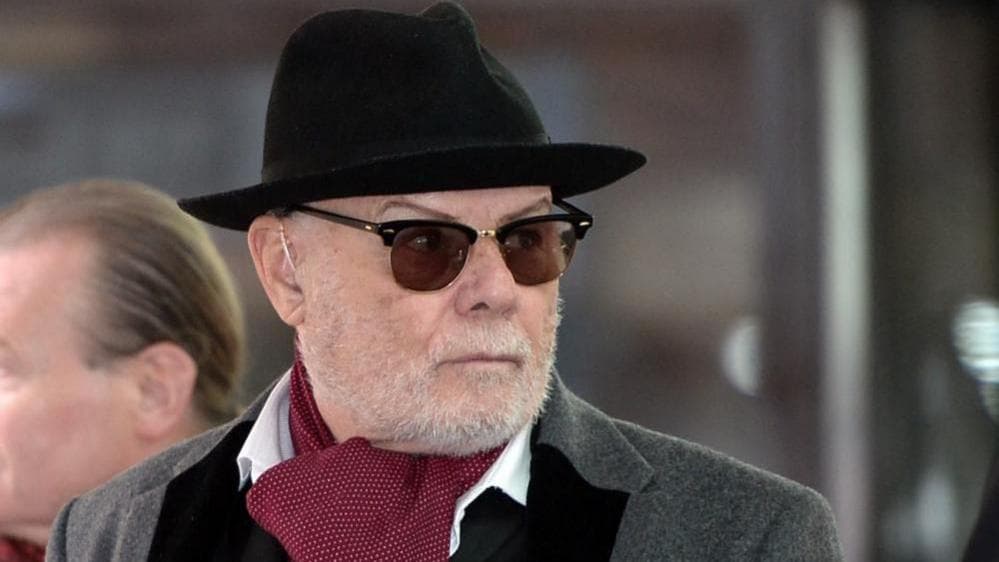
Prosecutors charged Paul Gadd, the former singer known as Gary Glitter, with one count of unlawful sexual intercourse with a girl under 13 and three counts of indecent assault on a girl under 14, setting up another chapter in a case that reaches back nearly half a century.
The Crown Prosecution Service said the allegations concern one victim and are said to involve abuse between 1978 and 1981 at a residential address in Kensington, west London. Gadd, 82, is due to appear at Westminster Magistrates' Court on 5 August.
The Metropolitan Police said the allegations were first reported on 9 January 2025 and that Gadd was first interviewed by police on 22 July 2025. The force said the victim is being supported by specialist officers and has been informed of the charge decision. That timeline shows how historical sexual-abuse allegations can move slowly through the justice system, particularly when investigators must test old claims against faded memories, missing records and the passage of time.
Such cases often emerge decades later because survivors may need years, sometimes much longer, before they feel able to report abuse. By then, prosecutors face a harder evidentiary task: locating documents, tracing witnesses and building a case strong enough to pass the charging threshold. Courts then have to balance the age of the allegations against the public interest in accountability, especially where the accused has already faced serious sex-offence convictions.
Gadd’s record gives that balance added weight. He was convicted in the UK in 1999 for possession of child abuse imagery, convicted in Vietnam in 2006 of sexually abusing two girls aged 10 and 11, and later convicted in the UK in 2015 of sexually abusing three young girls in the 1970s. He received a 16-year sentence in that case, was released in February 2023 after serving half of it, and was returned to custody the following month for breaching release conditions.
The new charges do not revisit his music career. They put the justice system back in front of a long-running question: how to pursue accountability for abuse alleged to have happened so long ago, and how to do so while protecting the complainant and preserving the integrity of a case built on history.
This article was produced by Prism’s automated news system from verified source data, official records, and press releases, then run through automated quality and moderation checks before publishing. The system is built and supervised by the people who set the standards it runs under. Read our full AI policy.
Did this article answer your question?