Gary Lineker and Gary Neville reshape sports media in digital age
Lineker and Neville have turned football fame into media empires, showing how direct-to-audience brands are outgrowing old broadcaster gatekeepers.
From punditry to ownership
Gary Lineker and Gary Neville now sit at the sharp end of a media-market shift that goes far beyond football banter. BBC sports editor Dan Roan is examining how two former England and Manchester United-era figures turned sporting celebrity into ownership, distribution and influence, and the central question is whether this is the future of sports media or simply the most visible version of it.
What makes their rise significant is not that they became presenters, but that they became operators. Instead of lending their names to someone else’s broadcast schedule, they helped build businesses that own the audience relationship, control more of the programming, and monetise attention through podcasts, video, subscriptions and sponsorships.
Lineker’s move from broadcaster to brand
Lineker’s shift has been especially stark because it came after more than a quarter-century as the face of Match of the Day. He left BBC football highlights at the end of the 2024/25 season, closing a long chapter in public-service broadcasting and opening a new one in creator-owned media.
His production company, Goalhanger, was co-founded in 2014 with Tony Pastor and Jack Davenport. Over time it built a portfolio around hit podcasts such as The Rest Is Football, The Rest Is Politics and The Rest Is History, turning Lineker from a familiar television anchor into the public face of a much broader media network.
That growth has not been limited to content volume. In 2025, The Rest Is Football moved to DAZN after Lineker left the BBC, and later the show was set to appear on Netflix for the 2026 FIFA World Cup. Those moves matter because they show how a single talent-led brand can travel across platforms and reach audiences far beyond one broadcaster’s schedule.
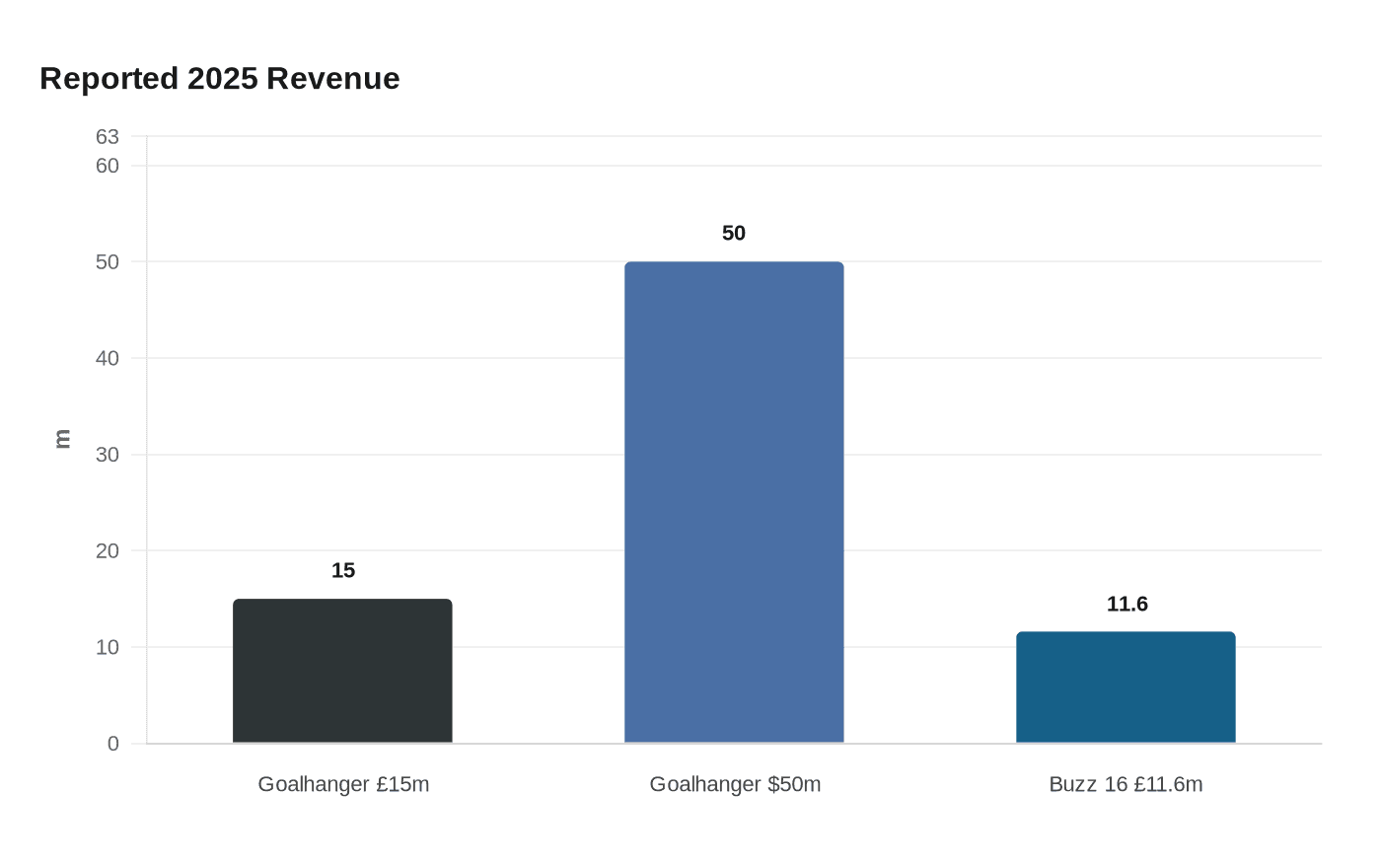
The numbers underline the scale of that shift. Reports in 2025 said Goalhanger had more than 250,000 paying subscribers and was generating about £15m a year from listeners. Bloomberg was also reported to have put Goalhanger’s 2025 revenue at about $50m, up roughly 80% year on year. That kind of growth is a strong signal that sports-adjacent media can now behave like a serious digital subscription and advertising business, not just a side project for ex-players.
Neville’s Overlap and the video-first challenge
Neville has taken a different route, but the strategic logic is similar. The Overlap has become a rival football-media brand with enough scale to matter on its own, and it has broadened beyond football commentary into cricket and other formats. Stick To Cricket is the clearest example of how the brand is trying to stretch its identity without losing its core audience.
Buzz 16, Neville’s media company, was reported to have generated £11.6m in revenue in 2025. Even more striking was the performance of The Overlap’s YouTube channel, which was reported to have reached 2.2bn views that year. Those figures show why video matters so much in the current media economy: it offers massive reach, global discovery and sponsorship potential, while keeping viewers inside a brand’s own ecosystem.
Neville’s model also highlights how talent-led media now competes on breadth as well as loyalty. Podcasts establish depth, YouTube delivers scale, and cross-sport programming widens the addressable market. In practical terms, that means the brand is no longer dependent on football’s weekly calendar, or on a broadcaster deciding when and how its audience should be served.
Why the economics changed so fast
The deeper story here is about the weakening of the gatekeeper role once held by traditional broadcasters. For years, names like Lineker and Neville built trust and recognition inside established television systems. Today, they can convert that recognition directly into owned platforms with recurring revenue, audience data and much greater commercial flexibility.
- Podcasts have lowered production and distribution barriers.
- YouTube has turned personality-led content into a global video business.
- Paid subscriptions give creators a direct relationship with fans.
- Sponsorship and licensing deals can be layered across formats and platforms.
Several forces have made this possible:
That mix changes the economics of sports media. Instead of being paid mainly for on-air appearances, former players can now build assets that generate revenue even when they are not on screen. The result is a more fragmented market, but also a more lucrative one for those with strong personal brands and loyal audiences.
How the BBC row changed Lineker’s position
Lineker’s trajectory was also shaped by the 2023 impartiality row, when he was pulled from Match of the Day after social-media criticism of the United Kingdom government’s asylum policy. The BBC later returned him to air and launched an independent review of its social-media guidance.
That episode mattered commercially as well as culturally. It reinforced the sense that Lineker was no longer just a broadcaster employed by the BBC, but a figure with an independent media identity and a separate business infrastructure. Once that perception took hold, his value was no longer tied entirely to one institution’s rules, timing or editorial constraints.
Neville’s own path points in the same direction, though with a less dramatic break. His move from Sky Sports punditry into media ownership has been accompanied by broader business interests, which further strengthens the image of a former player operating as an entrepreneur rather than simply a presenter.
What the rivalry says about sports media’s next phase
Lineker and Neville are not just successful ex-footballers with podcasts. They are case studies in how sports media is being rebuilt around personalities who own their platforms, control more of the distribution chain and can monetise audiences across multiple formats.
Right now, Goalhanger appears to remain the larger operation in public reporting, helped by strong subscriber numbers, higher reported revenue and a wider podcast portfolio. Yet Neville’s operation is closing the gap quickly, powered by rapid growth, a huge YouTube footprint and a strategy that stretches beyond football into adjacent sports formats.
That is why the rivalry matters. It shows that the future of sports media may belong less to the broadcaster that aggregates the audience and more to the creator who commands loyalty, travels across platforms and turns trust into a business. In that market, Lineker and Neville are no longer just former players with microphones. They are competing media companies, and the old gatekeepers are being forced to adapt.
This article was produced by Prism’s automated news system from verified source data, official records, and press releases, then run through automated quality and moderation checks before publishing. The system is built and supervised by the people who set the standards it runs under. Read our full AI policy.
Did this article answer your question?

.jpg&w=1920&q=75)
