Gavi plans malaria push with restored U.S. vaccine funding
Gavi hoped to turn $600 million of restored U.S. money into a malaria push, but Kennedy’s thimerosal may matter more than the cash.

Gavi hoped to use $600 million in restored U.S. funding to widen malaria and routine vaccination campaigns, but only if it could satisfy conditions imposed by Robert F. Kennedy Jr. The alliance’s board was set to make the final decision on how the money would be used, yet the terms attached to the grant put Washington’s demands at the center of the deal.
The stakes were already high. Gavi’s 2026-2030 strategy, approved by its board in June 2024, aimed to immunize an additional 500 million children and avert 7 million to 8 million future deaths. That plan came with a looming shortfall: Gavi had warned of a $1.9 billion budget hole for 2026 through 2030, a gap that could slow the rollout of malaria vaccines in sub-Saharan Africa, where new shots are only now moving from pilot use into routine immunization.
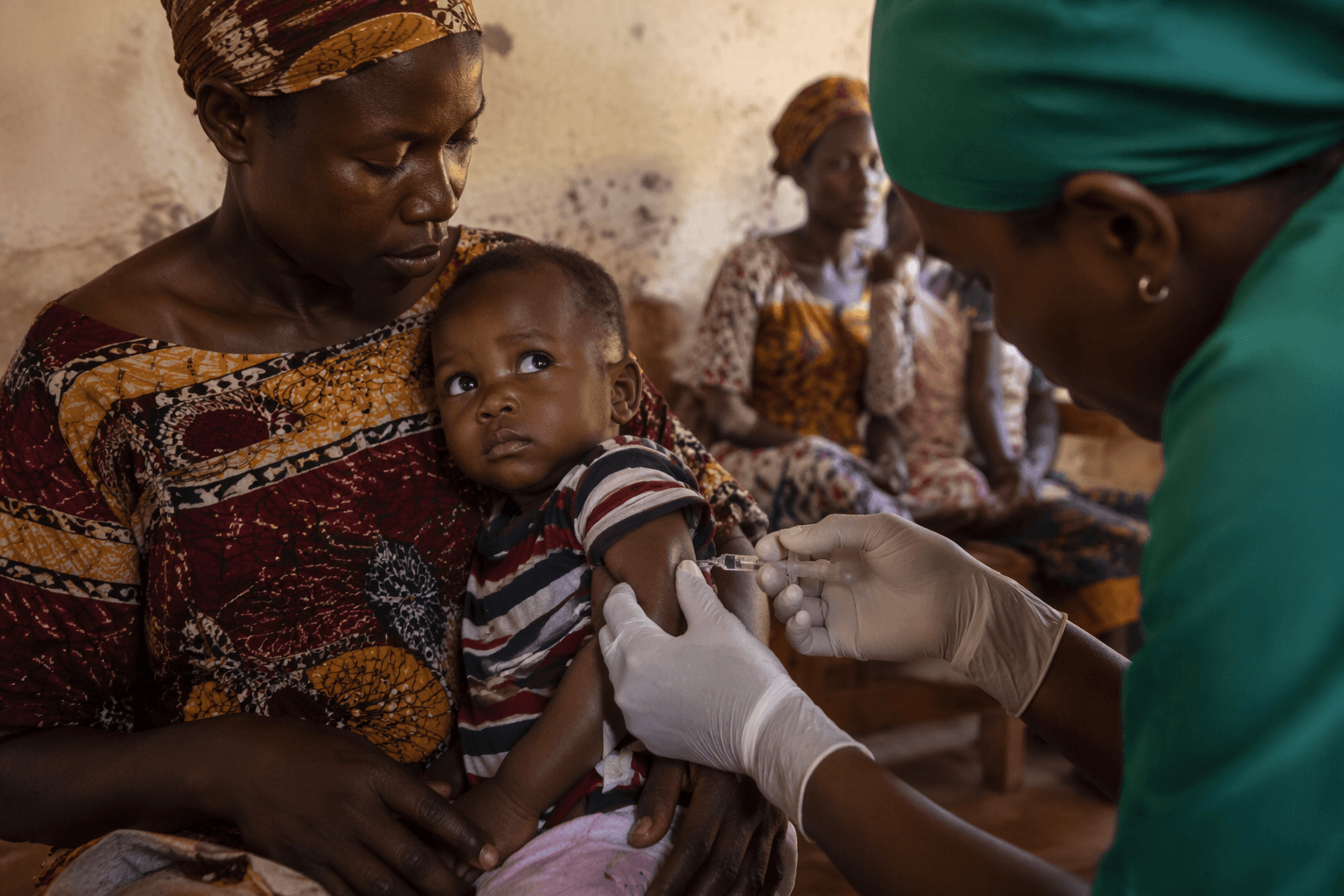
Malaria is one of the clearest tests of whether the restored money changes lives or merely changes paperwork. The World Health Organization said 17 African countries were offering malaria vaccines through routine immunization in 2024, and more than 12 million co-funded doses had been procured and delivered since 2023. By 28 January 2026, Gavi said 25 countries in Africa had introduced malaria vaccines with its support. The alliance has helped immunize more than 1.2 billion children since 2000, and malaria has become a major part of that broader effort.
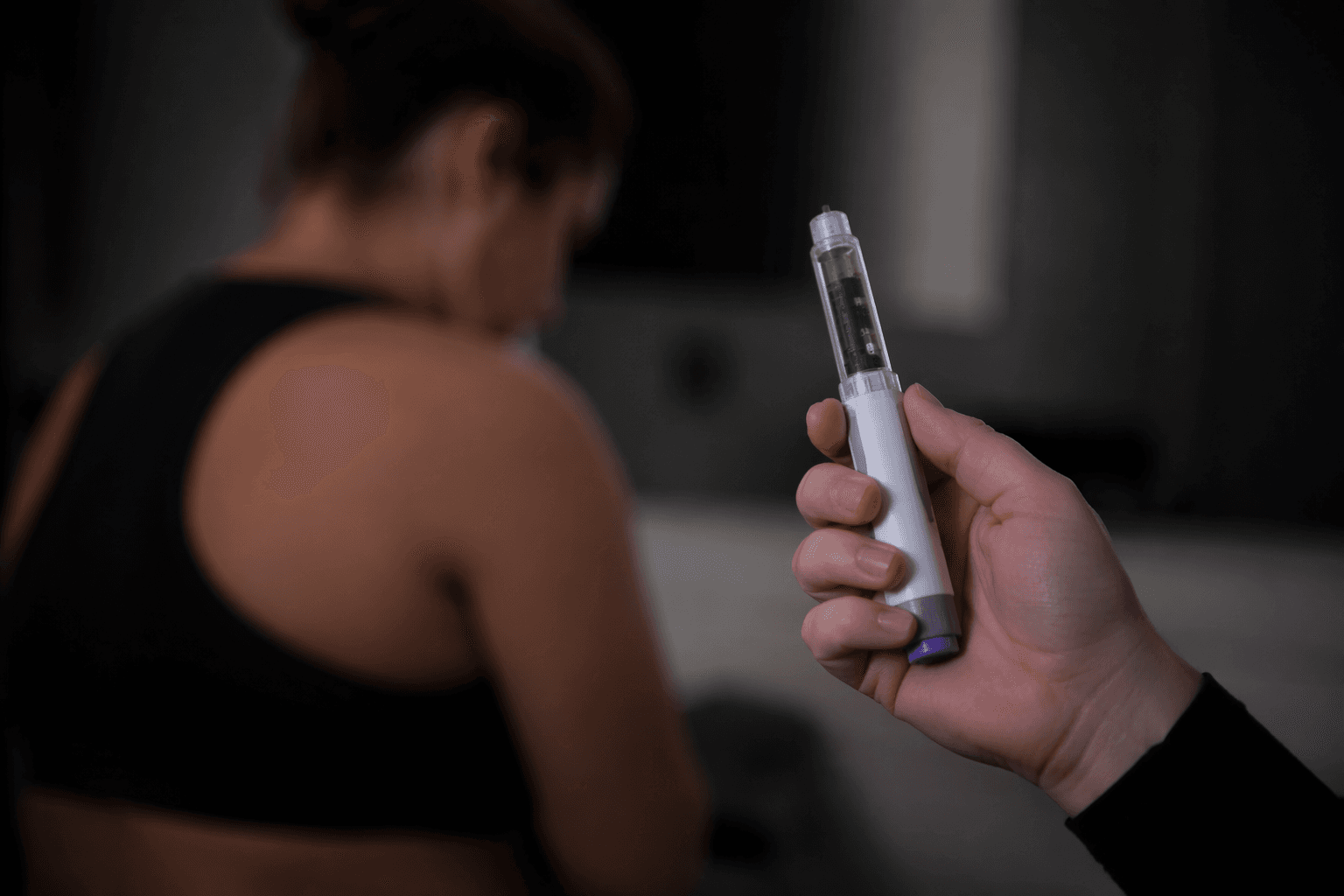
The U.S. contribution was approved by Congress for 2025 and 2026, then withheld by Kennedy, who has long criticized vaccine institutions and said last year that Gavi ignored safety concerns. The current dispute also carried a policy condition: phasing out thimerosal-containing shots in Gavi’s portfolio. Gavi has said its own board approved a strategy to phase out two thimerosal-containing vaccines for reasons unrelated to safety, because newer formulations offer broader protection. That overlap suggests a negotiation over optics and policy as much as over public health.
The money on the table is not trivial. The United States had previously supplied 13% of Gavi’s funding and had pledged $2.53 billion from September 2022 through 2030, with $880 million already dispersed before the dispute hardened. At a June 2025 fundraising summit, Gavi said it had secured more than $9 billion for its next five-year period, but still fell short of its target. Marco Rubio later said the U.S. would re-engage with Gavi amid Ebola outbreaks in several African countries, a sign that internal U.S. policy tensions over global health financing were still unresolved.
For Gavi, the question was not only whether the United States would restore the money, but whether the conditions attached to it would reshape public-health priorities more than the funding itself.
This article was produced by Prism’s automated news system from verified source data, official records, and press releases, then run through automated quality and moderation checks before publishing. The system is built and supervised by the people who set the standards it runs under. Read our full AI policy.
Know something we missed? Have a correction or additional information?
Submit a Tip