General Strike 2026 Calls for Nationwide Walkout, Boycott on April 5
Strike26's April 5 walkout and corporate boycott tested whether a decentralized coalition could surpass January's national shutdown, which fell well short of organizers' ambitions.
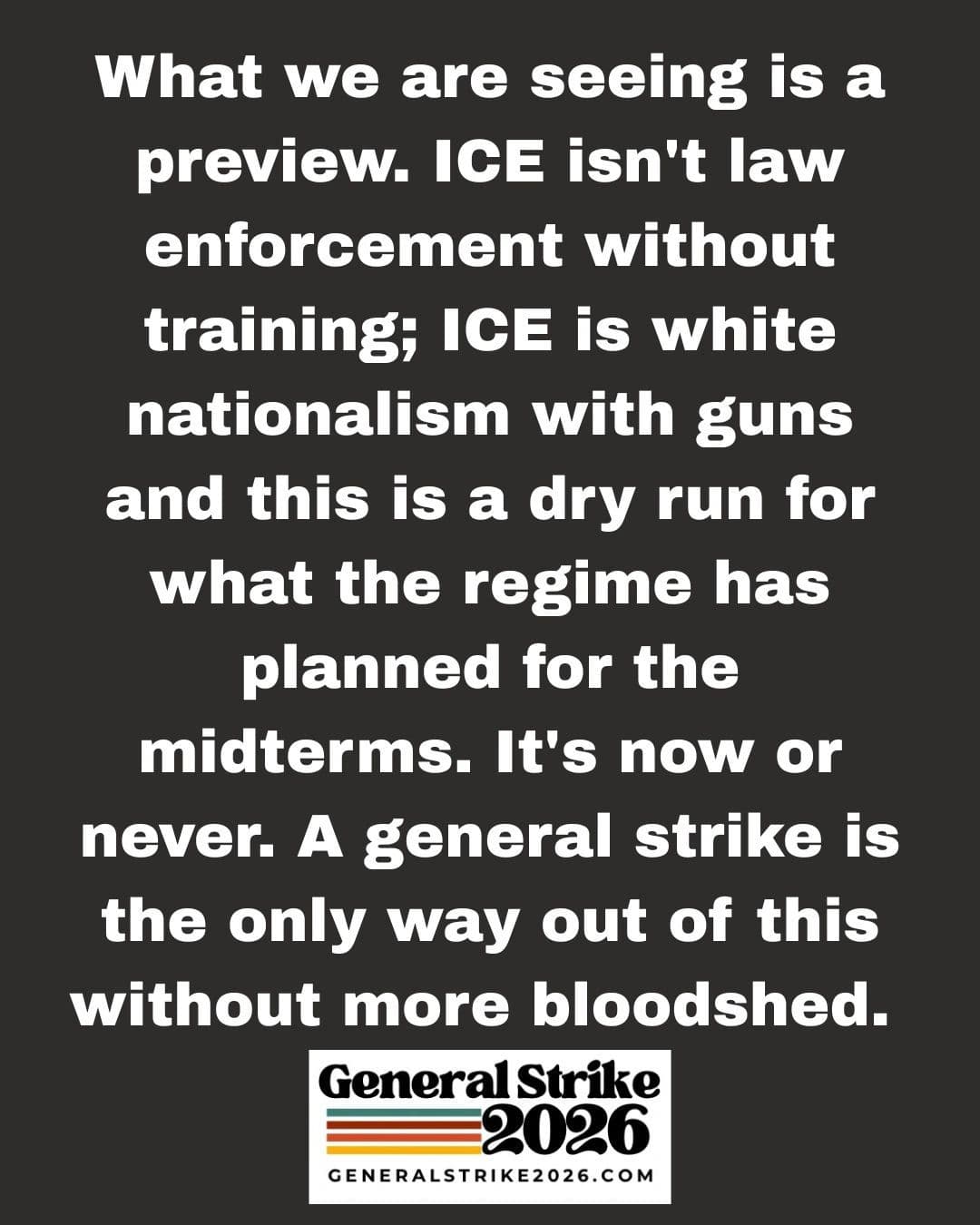
The General Strike 2026 campaign, operating under the banner Strike26, called on Americans to walk off the job, pull spending from major corporations, and join local demonstrations on April 5, mounting its second attempt at a nationwide work stoppage after its January 30 action failed to materialize as the broad labor movement organizers had envisioned.
The coalition's demands were explicit: halt Immigration and Customs Enforcement operations, pressure the Justice Department to release federal files organizers contend are being withheld, and force accountability from elected officials on immigration enforcement and corporate power. The campaign framed those goals through an economic lens, urging supporters to redirect spending away from large retailers and toward local, community-based businesses, arguing that hitting corporate revenue streams is the most direct lever available to a decentralized movement without a formal leadership structure.
That structural choice distinguishes Strike26 from traditional organized-labor actions. The campaign requires no registration, collects no personal data, and has not published a list of affiliated organizations. Organizing materials circulated primarily through social media, downloadable flyers, and blog posts. Retail and food service employers acknowledged the possibility of higher-than-normal employee call-outs ahead of April 5 and said they planned to redistribute shifts where possible. Emergency services and transit agencies in several municipalities coordinated with local law enforcement, which in a number of cities said they would monitor demonstrations to maintain public safety.
The January 30 national shutdown provides the closest comparison point. That action followed the January 23 Minnesota statewide strike, which drew tens of thousands of participants in subzero temperatures, prompted hundreds of businesses to close, and produced data, from subsequent polling by the May Day Strong coalition, showing that roughly one in four Minnesota voters either participated directly or had a close family member who did. Among those participants, about 38 percent reported staying off the job. The national follow-up on January 30 did not come close to replicating those figures.
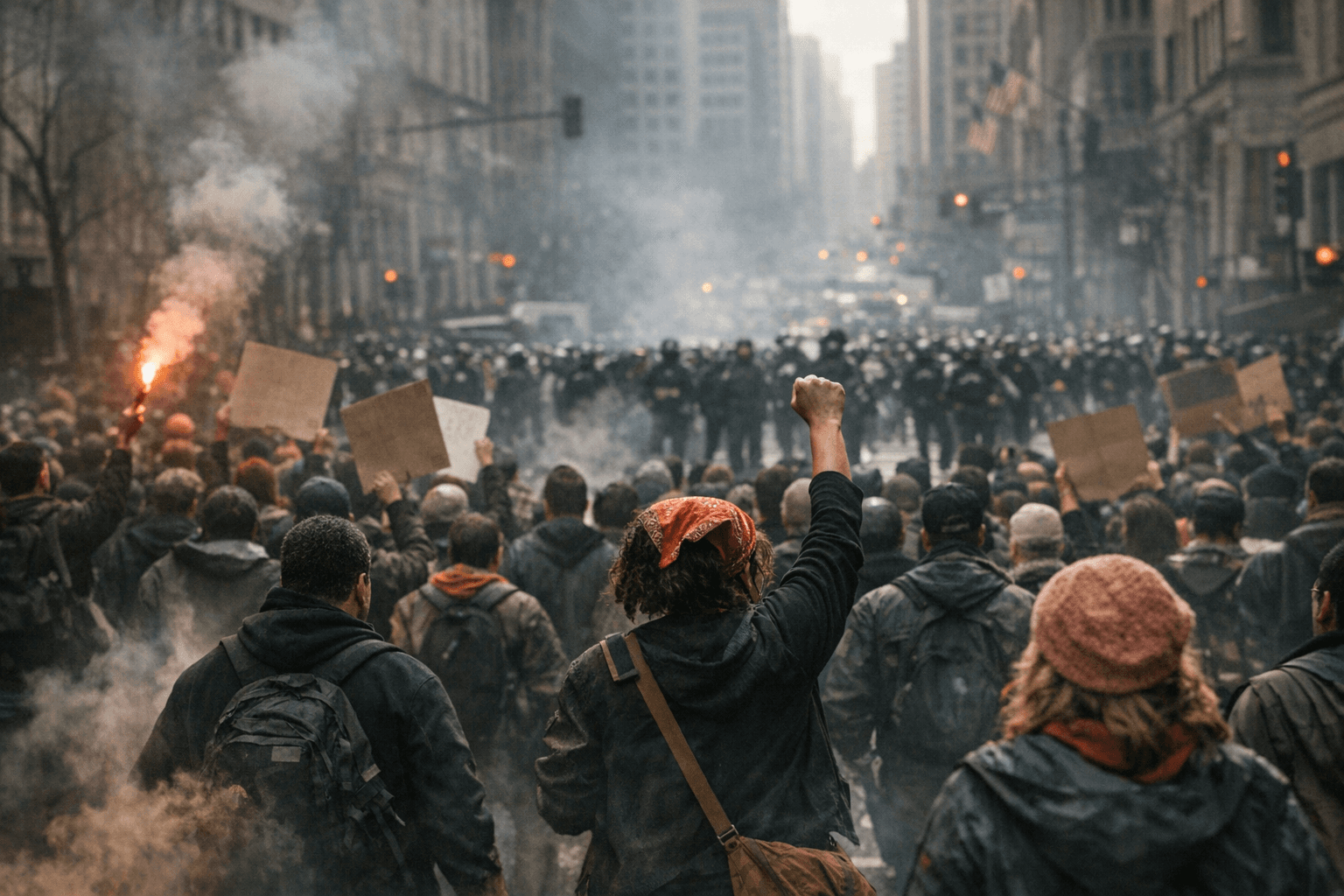
April 5 arrived against a backdrop of escalating protest activity. The "No Kings" demonstrations on March 28 drew an estimated 8 million participants across approximately 3,300 locations in all 50 states, according to a Center for American Progress analysis. Political scientist Erica Chenoweth's widely cited research holds that sustained participation by 3.5 percent of the U.S. population, roughly 11.5 million people, has historically been sufficient to force governmental concessions. Strike26 had not publicly documented that its coalition approached that threshold heading into Saturday.
Economists cautioned that a single-day action's direct macroeconomic impact would likely remain limited unless participation reached an overwhelming scale. Critics also pointed to the campaign's decentralized structure as a potential liability, warning that diffuse messaging could produce inconsistent coverage, that disruptions to essential services could generate public backlash, and that disorderly demonstrations could carry legal exposure for participants. Organizers countered that the action is nonviolent and democratic by design, and that mutual aid networks and sympathetic community groups would work to offset lost wages and staff essential services for workers who participated.
Whether April 5 narrowed the gap between Strike26's stated ambitions and its demonstrated organizing capacity, or reproduced the uneven geographic and sector-by-sector results of January 30, is what observers were watching most closely. The coalition has framed April 5 not as a conclusion but as one escalating phase in what it intends to be a sustained campaign, with the May Day period already emerging as the next target for labor-aligned organizers.
This article was produced by Prism’s automated news system from verified source data, official records, and press releases, then run through automated quality and moderation checks before publishing. The system is built and supervised by the people who set the standards it runs under. Read our full AI policy.
Know something we missed? Have a correction or additional information?
Submit a Tip