Genetic genealogy leads to arrest in two Lawrence child assaults
Lawrence police arrested a man linked to two child sexual assaults from 2000 and 2003. Investigative genetic genealogy used DNA from a cigarette butt to identify the suspect.
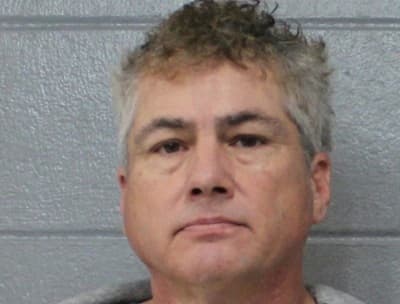
Lawrence police announced an arrest on January 5, 2026 in a case that had gone cold for more than two decades. The suspect faces charges in the 2000 sexual assault of a 7-year-old and a separate 2003 assault of a 10-year-old, and investigators say DNA evidence developed from a cigarette butt collected at the 2000 scene proved crucial.
Detectives worked over several years with commercial and public forensic genealogy resources to build leads. The city’s inquiry began with a DNA profile recovered from the cigarette butt; that profile was run through investigative genetic genealogy workflows, first with the commercial firm Parabon and later with the FBI’s genetic genealogy unit. Using shared matches and public records, investigators constructed a family tree that produced a likely suspect. Further work tracing the lead through adoption records and interviews narrowed the search.
When detectives obtained a comparison DNA sample in late 2025, it matched the earlier evidence and tied the suspect to both assaults. Police say they will reexamine other similar local cases to see whether connections exist, potentially reopening more cold files in Lawrence and surrounding jurisdictions.
This case shows how long-dormant evidence can yield new results when modern tools are applied. Investigative genetic genealogy combines DNA extracted from physical evidence with publicly available genealogy databases and traditional detective work. In practice, that meant lab work to preserve and profile degraded DNA, cooperation between local investigators and national forensic units, and months of document and interview work to confirm identities suggested by family tree charts.

For community members, the immediate impact is twofold: there is relief in an arrest and the chance for older cases to be reviewed, and there are renewed questions about how genetic information and public databases are used by law enforcement. If you have information about unsolved crimes, contact your local police to share tips. If you use at-home DNA services, check your account privacy settings and the service’s law enforcement policies so you know how your data might be accessed.
Our two cents? Cold-case evidence matters more than ever, and the marriage of genetics and old-fashioned shoe leather is changing how those cases end. If you have any piece of evidence or a memory that could help, don’t assume the trail is gone; call the police and let investigators decide if it can be useful.
This article was produced by Prism’s automated news system from verified source data, official records, and press releases, then run through automated quality and moderation checks before publishing. The system is built and supervised by the people who set the standards it runs under. Read our full AI policy.
Did this article answer your question?