Georgia, Alabama voters cast ballots in key runoff races
Georgia and Alabama runoff races put Trump-backed Republicans on the spot as GOP voters weighed loyalty, money and electability in key Senate and governor contests.
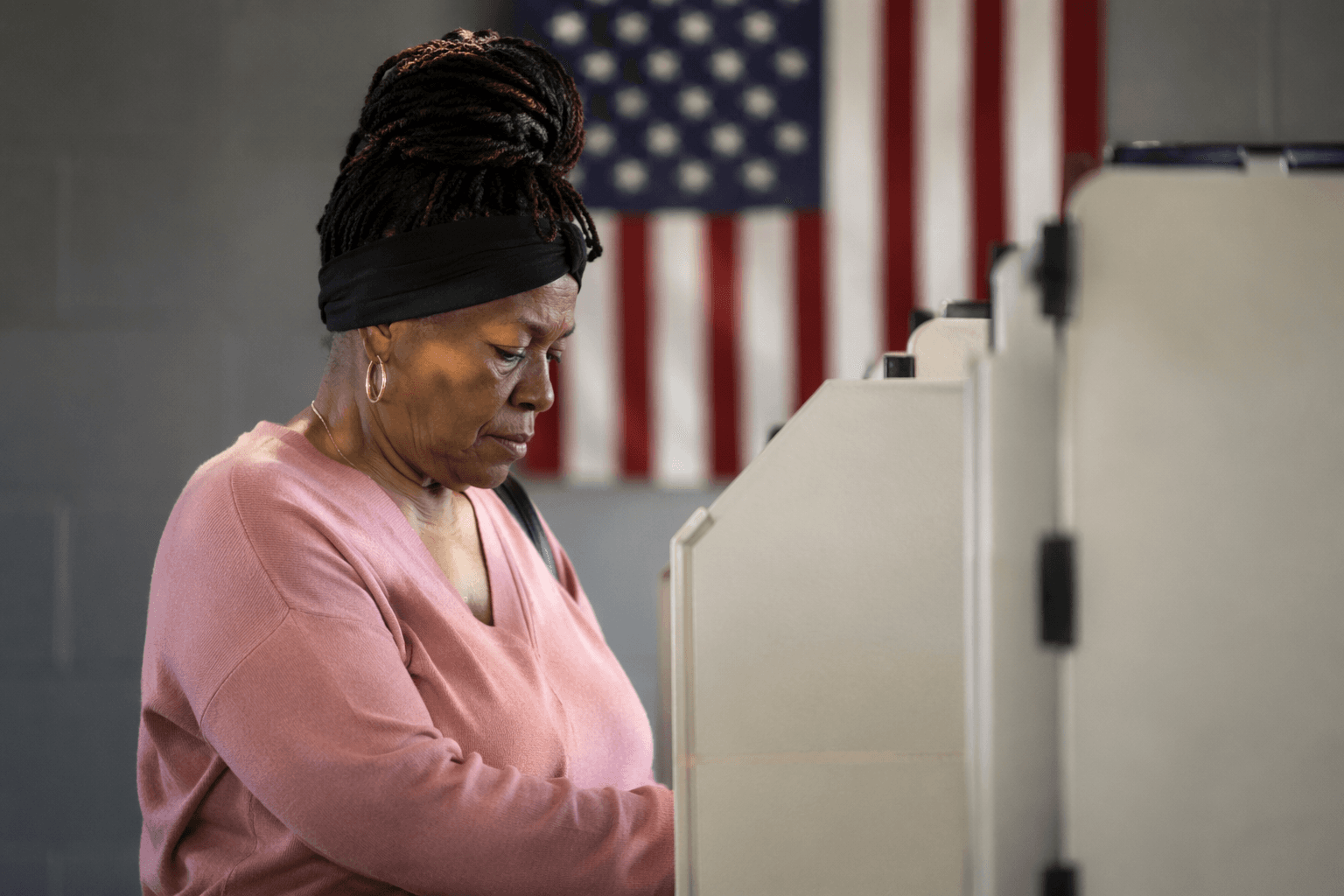
Republican voters in Georgia and Alabama returned to the polls Tuesday in runoff races that could shape how the party talks about Trump loyalty, candidate quality and turnout heading into November. The contests were part of a broader June 16 election slate that also included primaries in Oklahoma and the District of Columbia, but the clearest pressure points were in two Southern states where the Republican nomination fights were still unsettled.
In Georgia, the Republican Senate runoff pitted U.S. Rep. Mike Collins against former football coach Derek Dooley for the chance to challenge Democratic Sen. Jon Ossoff in November. Donald Trump issued a last-minute endorsement for Collins, turning the race into an early test of how much his backing still matters with GOP primary voters. The state’s Republican electorate was also deciding another marquee contest: the governor’s runoff between Lt. Gov. Burt Jones, who had Trump’s support, and health care executive Rick Jackson, who put more than $100 million into his campaign.
Those Georgia races reached beyond one seat or one candidate. The runoff ballot also included contests for lieutenant governor, secretary of state, some U.S. House seats and the Senate matchup, all following the May 19 primary. The results will offer an immediate read on whether Georgia Republicans are rewarding the candidates closest to Trump, or whether spending, local profile and a broader appeal still matter in a state that remains one of the GOP’s toughest battlegrounds.
In Alabama, voters also went back to the polls to finalize nominees for an open U.S. Senate seat after no candidate won a majority in the May 19 primary. The Republican runoff was between U.S. Rep. Barry Moore and former Navy SEAL Jared Hudson after Attorney General Steve Marshall finished third and conceded, clearing the way for the second round. Alabama voters were also deciding a handful of House runoff contests as the party closes out its nomination fight.
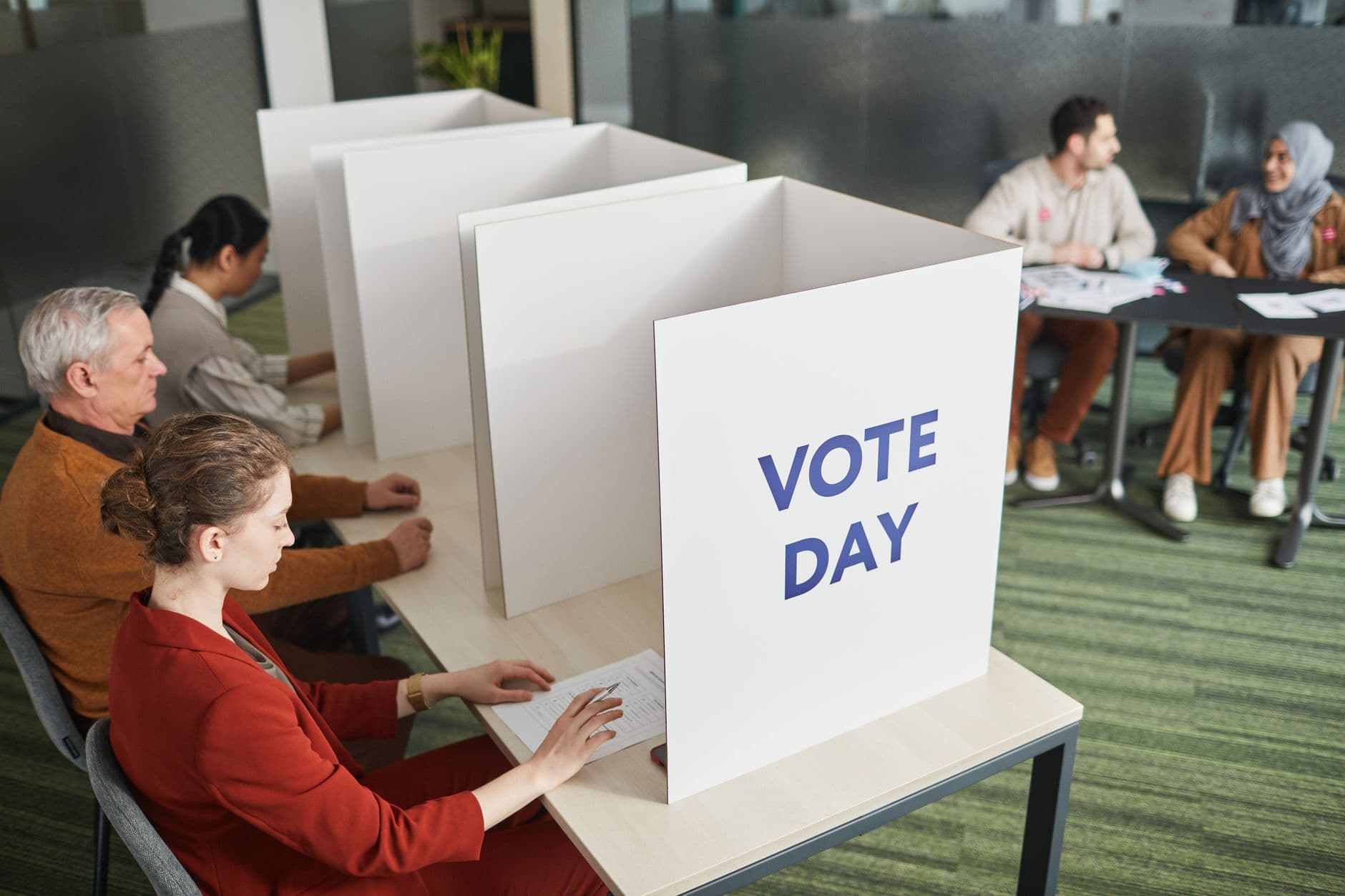
The stakes extend beyond these two states. AP’s election calendar showed June 16 as a major runoff and primary date across the country, a reminder that the 2026 midterm battlefield is still taking shape. Democrats need to flip four Senate seats to regain control of the chamber, which makes every runoff that settles a Republican nominee more than a local intraparty fight. In Georgia and Alabama, the results helped define whether Trump-backed candidates, big-money campaigns and electability arguments will set the tone for the fall.
This article was produced by Prism’s automated news system from verified source data, official records, and press releases, then run through automated quality and moderation checks before publishing. The system is built and supervised by the people who set the standards it runs under. Read our full AI policy.
Know something we missed? Have a correction or additional information?
Submit a Tip