Germany and Poland sign defence pact amid Russia security concerns
Berlin and Warsaw signed a defence pact in Warsaw, widening cooperation on the Baltic Sea, cyber defence and military mobility as Russia fears sharpened.
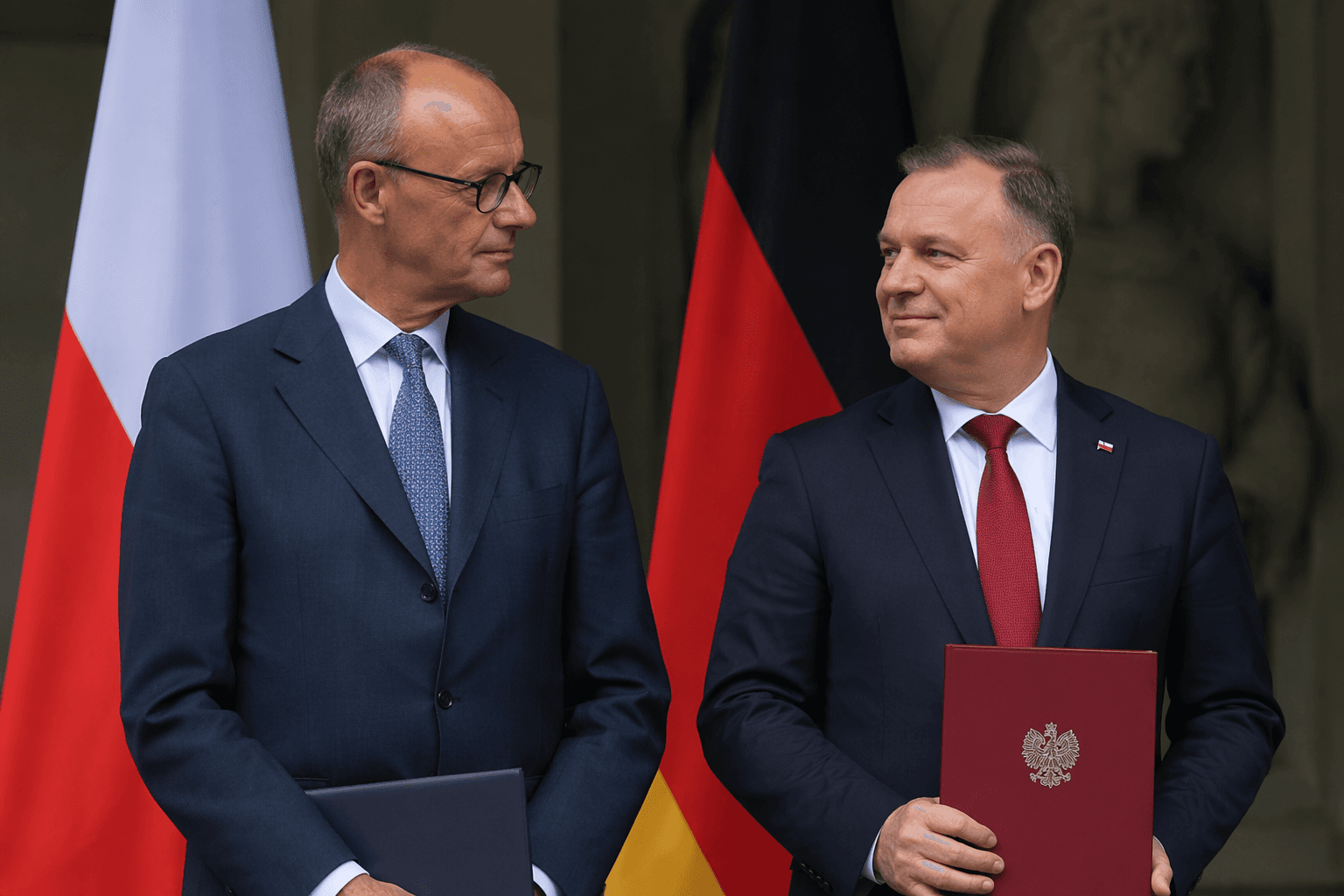
Germany and Poland signed a bilateral defence agreement in Warsaw on June 17, a move that underscored how fast Europe’s security map is being redrawn as fears of Russia deepened and questions persisted over long-term U.S. engagement. The pact also landed on the 35th anniversary of the Polish-German Treaty of Good Neighbourly Relations and Friendly Cooperation, giving the announcement both strategic weight and symbolic force.
The deal lays out closer work on protecting the Baltic Sea region, military mobility, infrastructure, cyber defence and new technologies. Polish Defence Minister Wladyslaw Kosiniak-Kamysz said the agreement opened new areas for cooperation and would help Poland and Germany work together on cybersecurity, joint command in the Baltic and military mobility. In practical terms, it moved the two countries further from old mistrust and closer to a military relationship built around planning, logistics and response.

The timing reflected a broader shift in Europe. Germany is looking for dependable partners as it tries to rebuild the Bundeswehr after decades of underinvestment, while Poland has emerged as a frontline state, a logistics hub for Ukraine and one of Europe’s heaviest investors in its own defences. That has given Warsaw more leverage in talks with major European powers and made its role in regional security harder to ignore.
For Germany, cooperation with Poland is especially important because Berlin remains a key NATO power in the Baltic region. The agreement fits into a growing consensus among Polish and German officials that stronger bilateral ties are needed to harden Europe’s defence architecture against a possible future Russian threat. It also reflects a broader uncertainty about how much the United States will continue to shoulder on NATO’s eastern flank, a question that has pushed European capitals to strengthen their own links.
The pact does not erase the history between the two countries, but it does show how current risks are forcing a more pragmatic partnership. With Poland’s strategic weight rising and Germany under pressure to prove it can do more for European security, the agreement points to a continent where defence is becoming more regional, more coordinated and more dependent on neighbours that once kept each other at arm’s length.
This article was produced by Prism’s automated news system from verified source data, official records, and press releases, then run through automated quality and moderation checks before publishing. The system is built and supervised by the people who set the standards it runs under. Read our full AI policy.
Did this article answer your question?