Germany urges Europe to boost defense as U.S. troops begin drawdown
Washington is pulling 5,000 troops from Germany, and Boris Pistorius says Europe must turn defense promises into money, readiness and faster procurement.

Europe’s post-American-security-order test is no longer theoretical: can it move from rhetorical autonomy to real burden-sharing before Washington scales back further? Germany’s defense minister, Boris Pistorius, said the answer will depend on whether Berlin and its partners can spend more, buy faster and field forces that are ready to fight without leaning so heavily on the United States.
The Pentagon said it would withdraw 5,000 U.S. troops from Germany over the next six to 12 months, a cut that comes after a review of America’s global troop footprint did not recommend major pullbacks from Europe. Pistorius said Germany was “on the right track” because the Bundeswehr is expanding, procurement is moving faster and infrastructure is being built out, but he also conceded that capability gaps and tight budgets mean Europe will need years to close the distance.
Pistorius put the number of U.S. troops stationed in Germany at “almost 40,000,” underscoring how large the American military presence remains even as the drawdown begins. The reduction, about 14% of roughly 36,000 U.S. personnel in Germany, does not end the central role of Germany in the American and NATO posture. U.S. Army Europe and Africa is headquartered in Wiesbaden, and Ramstein Air Base remains a key logistics and command hub for U.S. and allied operations.
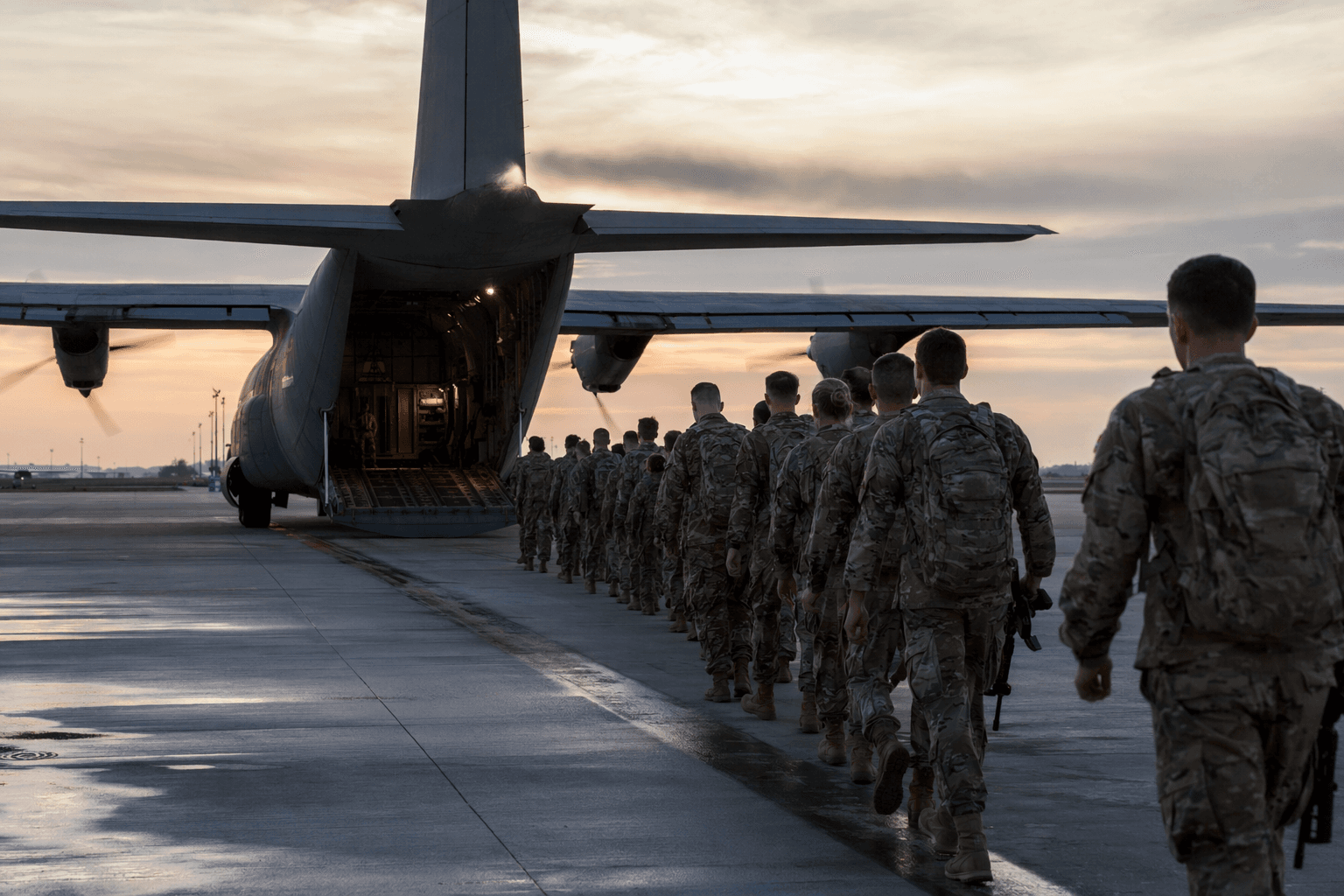
The political pressure behind the move is not new. For years, Washington has criticized European allies for underspending on defense, and that complaint has grown sharper as U.S. officials press allies to shoulder more of the burden. Pistorius said the U.S. presence in Germany remains in both countries’ interests, even as he called a withdrawal foreseeable. The practical challenge now is not simply replacing personnel, but rebuilding the systems that make deterrence credible, including air defense, transport, munitions stockpiles and readiness.
NATO’s own benchmarks show how far the alliance has had to move. Allies agreed in 2014 to spend at least 2% of GDP on defense by 2024, and NATO said European allies and Canada reached that level in 2024 for the first time since the pledge was made. Allies also committed to spending at least 20% of defense outlays on major equipment and related research and development, and at the 2025 NATO summit they raised the ambition further, agreeing to invest 5% of GDP annually on defense and security by 2035. For Germany, which has been led by Pistorius since January 19, 2023, the drawdown turns those targets from alliance language into a practical test of political will.
Know something we missed? Have a correction or additional information?
Submit a Tip