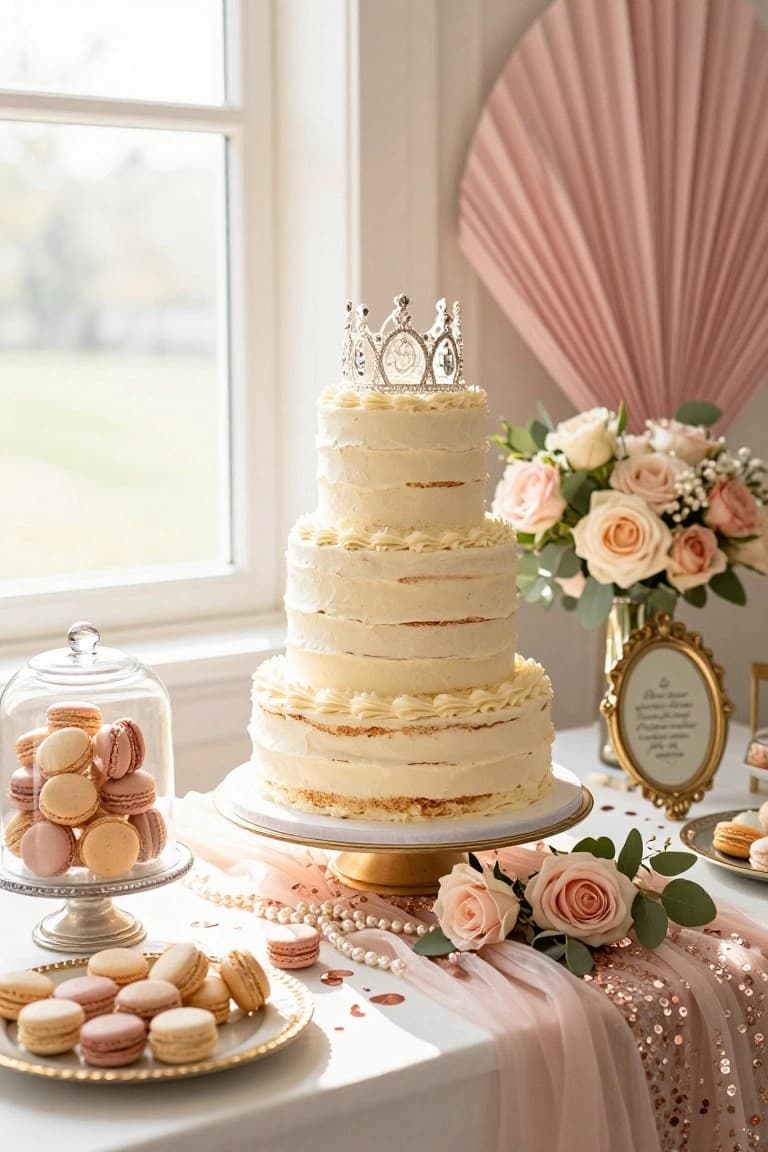
Gervasi baby shower guide maps planning steps, registry timing and venue choices
Gervasi’s baby-shower guide turns etiquette into a planning checklist, with early registry talks, smart timing and venue choices doing most of the work.

A planning-first approach keeps the shower calm
Gervasi Vineyard Resort & Spa’s baby-shower guide treats the event less like a loose social gathering and more like a sequence of decisions that have to happen in the right order. That framing matters because a baby shower usually serves two jobs at once: honoring the mom-to-be, especially if this is a first baby, and helping her gather the essentials she will need for the new arrival.
The guide’s core message is simple: the most stressful showers are the ones where the big decisions are left until the end. Host, budget, date, time, guest list, location and venue options all need to be settled early so the rest of the planning has a clear lane.
Start with the host, the budget and the guest list
The first checkpoint is who is actually hosting. Contemporary etiquette has moved away from rigid rules, and a baby shower can be hosted by friends, family, a group, or even the parent-to-be. That flexibility makes the event easier to tailor, but it also means someone still has to make decisions about spending, timing and communication.
Budget comes next because it shapes everything else. A smaller budget can point toward a home gathering with simple food and a tighter guest list, while a more generous budget opens the door to a more polished venue experience. Gervasi’s framework makes that tradeoff visible early, so hosts do not build a guest list or a menu that exceeds what they can realistically support.
The guest list deserves the same early attention. A shower built around close family and friends will look very different from a larger celebration with co-workers or extended relatives. Deciding who is invited before the invitations go out helps keep the tone consistent and prevents late-stage changes that can complicate seating, food, and venue needs.
Timing drives the entire schedule
The guide leans hard on timing, and for good reason. Emily Post’s baby-shower guidance says showers are usually given four to six weeks before the baby’s due date, and planning often begins six to eight weeks in advance. That timeline leaves enough room to organize the details without turning the shower into a last-minute scramble.
Invitations should go out four to six weeks before the shower date, and they should include registry information. That detail sounds small, but it is one of the most useful pieces of guest communication in the whole process. Guests need enough lead time to choose a gift, and registry details keep presents practical rather than duplicated or off-target.
A sensible planning rhythm breaks the work into stages:
1. Lock in the host, budget and guest list.
2. Choose the date, time and venue.
3. Set the registry and share it with invitations.
4. Handle menu, décor and games in phases.
That staged approach keeps hosts from trying to solve everything at once. It also gives the mom-to-be a clearer experience, because the plans are aligned before the shower arrives.
Registry coordination should happen early, not as an afterthought
The registry is one of the most practical parts of the shower, yet it is often treated like a detail to be filled in later. Gervasi’s guide pushes that conversation forward, which is exactly what organized planning requires. Guests should know what will actually be useful, and the registry gives them a direct path to buying items the family needs instead of guessing.
That early coordination also reduces awkwardness. When the registry is set before invitations go out, hosts can steer guests toward gifts that fit the family’s real needs, the expected number of attendees and the event’s style. It is especially helpful when the shower is built around a specific venue or a more polished hospitality experience, because the registry can reflect a more curated, intentional celebration.

Venue choice sets the tone, and Gervasi leans into luxury
One of the most distinctive parts of Gervasi’s approach is the way it treats venue as part of the experience, not just a place to sit down and eat. The property’s setting supports a more luxurious baby-shower format, including spa treatments or even an overnight stay for guests who are traveling.
That matters because venue selection does more than determine where people gather. It influences the atmosphere, the pace of the day and the kind of hospitality the host can offer. A venue with spa options or lodging makes the shower feel more like a retreat, which can be especially appealing for families bringing in out-of-town guests.
For hosts, that creates a clear tradeoff. A premium venue can simplify the experience and elevate it, but it also needs to fit the budget and the guest mix. The guide’s value is that it lays those choices out plainly, so the celebration feels intentional rather than improvised.
Food and drink should stay light and pregnancy-safe
The food direction is straightforward: lighter finger foods work best. That keeps the menu manageable for hosts and easy for guests to enjoy while socializing, opening gifts or moving between activities. It also fits the relaxed, celebratory feel that baby showers usually aim for.
The alcohol guidance is even more important. The mom-to-be should not be served wine or alcohol, even if other guests are. That caution aligns with major medical guidance from the Centers for Disease Control and Prevention and the National Institute on Alcohol Abuse and Alcoholism, both of which say there is no known safe amount of alcohol use during pregnancy. In practical terms, that means hosts need to plan beverages for everyone else without making alcohol part of the guest of honor’s experience.
Décor, games and menus work best in stages
The guide’s timing advice is not just about booking the venue. Menu planning, decorations and game setup should happen in stages rather than all at once. That matters because these are the pieces most likely to become chaotic if they are left to the final week.
Breaking the work into smaller steps gives hosts room to adjust based on the final guest count, the venue layout and the registry style. It also keeps the event from becoming over-designed. A baby shower works best when the theme, food and activities all point in the same direction, instead of competing for attention.
Why this planning model feels current
The broader etiquette backdrop helps explain why Gervasi’s guide lands the way it does. Baby showers in the United States are commonly traced to the late 1940s and 1950s, when they were designed to help supply practical goods for the mother and home. That origin still shows through in the modern emphasis on useful gifts, clear timing and thoughtful hosting.
At the same time, etiquette keeps evolving. Contemporary guidance from the Emily Post Institute and Babylist reflects a more flexible model in which the shower can be hosted by almost anyone, including the parent-to-be, and it can even happen after birth in some cases. Gervasi’s guide fits that modern approach, but it adds a hospitality angle that makes the logistics feel more concrete.
The result is a planning model that gives overwhelmed hosts a clearer path forward. Get the guest list, budget, timing and registry aligned early, choose a venue that matches the tone you want, and handle the details in stages. When those pieces are in place, the shower can do what it is meant to do: feel organized, thoughtful and genuinely joyful.
Know something we missed? Have a correction or additional information?
Submit a Tip