Ghana challenges Canada visa refusal for Thomas Partey before World Cup opener
Ghana has escalated Thomas Partey’s visa refusal into a court fight, arguing Canada’s move was unfair days before the World Cup opener.

Ghana has turned Thomas Partey’s visa refusal into a state-level test of immigration screening, sports diplomacy and the limits of host-country discretion. The foreign ministry called Canada’s decision “high-handed and extremely unfair,” said it sent a formal protest on June 11, and signaled that it could seek judicial review in the Federal Court of Canada while pressing diplomatic channels with Canadian High Commissioner Myriam Montrat.
Canada’s position rests on a familiar but politically explosive standard: every applicant is assessed individually under the facts and the law, and immigration officers can find a foreign national inadmissible even without a conviction abroad. Canadian authorities reportedly cited paragraph A36(1)(c) of the Immigration and Refugee Protection Act, the criminal inadmissibility provision covering an act outside Canada that would amount to a criminal offence in Canada. IRCC also says inadmissible travelers may sometimes seek a temporary resident permit, but that relief is limited and not guaranteed.

The precedent at stake reaches beyond one match in Toronto. If a court upholds the refusal, it would reinforce Canada’s power to block high-profile visitors for major events on the basis of pending criminal allegations, not just foreign convictions. If Ghana wins any part of its challenge, the ruling could narrow how tightly host governments can rely on immigration screening when global tournaments draw political scrutiny and visiting delegations expect expedited entry. FIFA has said it is not involved in visa adjudication and that the host government ultimately decides who is admitted, a position Canadian officials have echoed.
The dispute has also become a diplomatic matter. Ghana’s ministry said it was pursuing diplomatic, legal and administrative remedies, while Sports Minister Kofi Adams has publicly urged a review. Ghana has framed the refusal as a fairness issue tied to the presumption of innocence and says it wants an amicable resolution, language that signals pressure on a broader Canada-Ghana relationship that extends well beyond soccer.

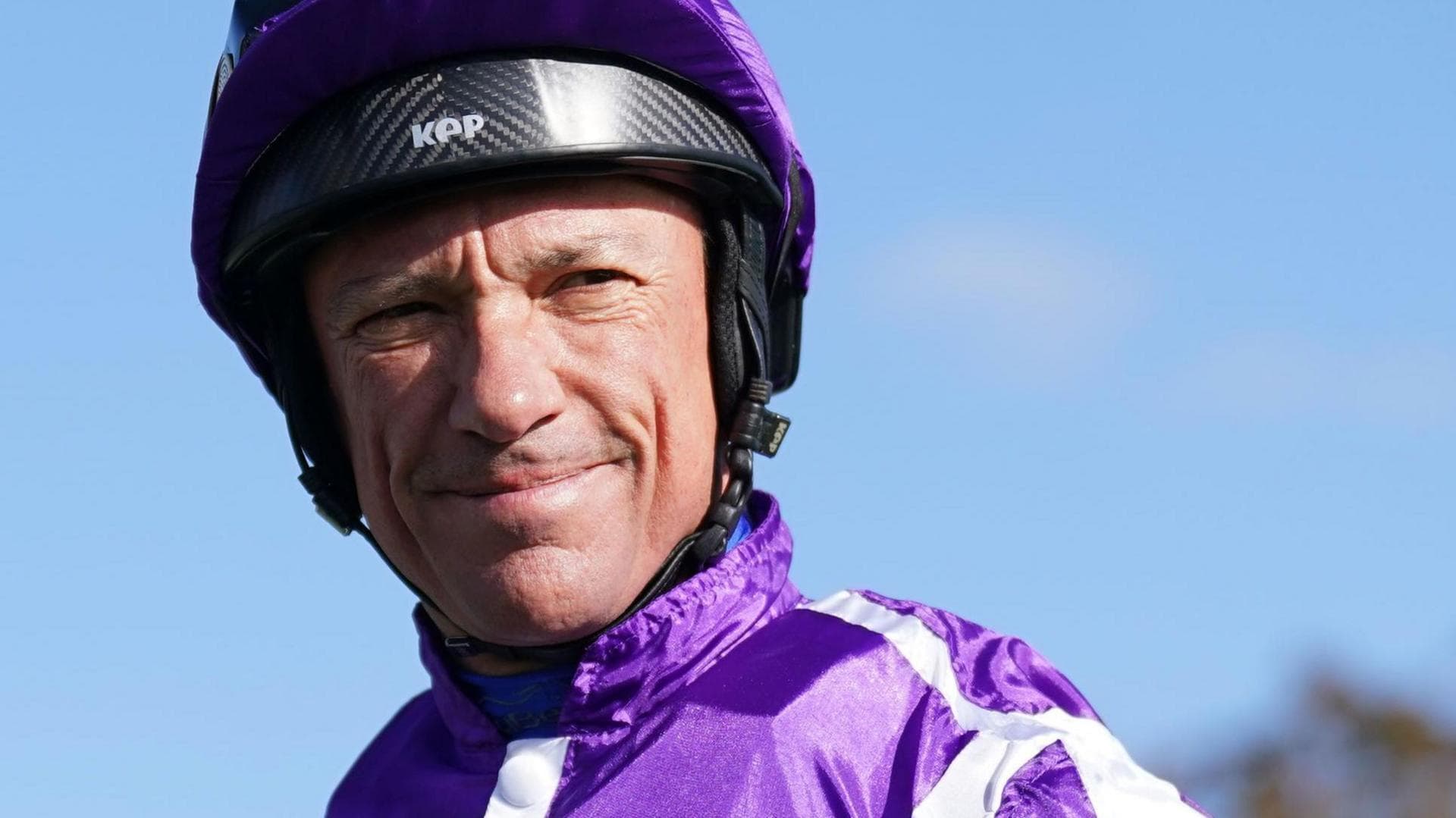
Partey, 32, has pleaded not guilty in Britain to seven counts of rape and one count of sexual assault tied to allegations from three women and incidents said to have taken place in 2021 and 2022. He was sent back to Ghana’s base camp in Rhode Island and will miss Ghana’s opening World Cup match against Panama in Toronto on Wednesday, June 17. For Ghana, the fight is no longer only about one player. It is now about whether Canada’s border rules can withstand scrutiny when applied to one of football’s biggest stages.
This article was produced by Prism’s automated news system from verified source data, official records, and press releases, then run through automated quality and moderation checks before publishing. The system is built and supervised by the people who set the standards it runs under. Read our full AI policy.
Did this article answer your question?