Glasgow 2026 Commonwealth Games to feature biggest Para sport program yet
Glasgow 2026 will pack 215 golds and a record Para programme into four venues. Josh Kerr, the Commonwealth Mile and home pressure should drive the broadcast moments.
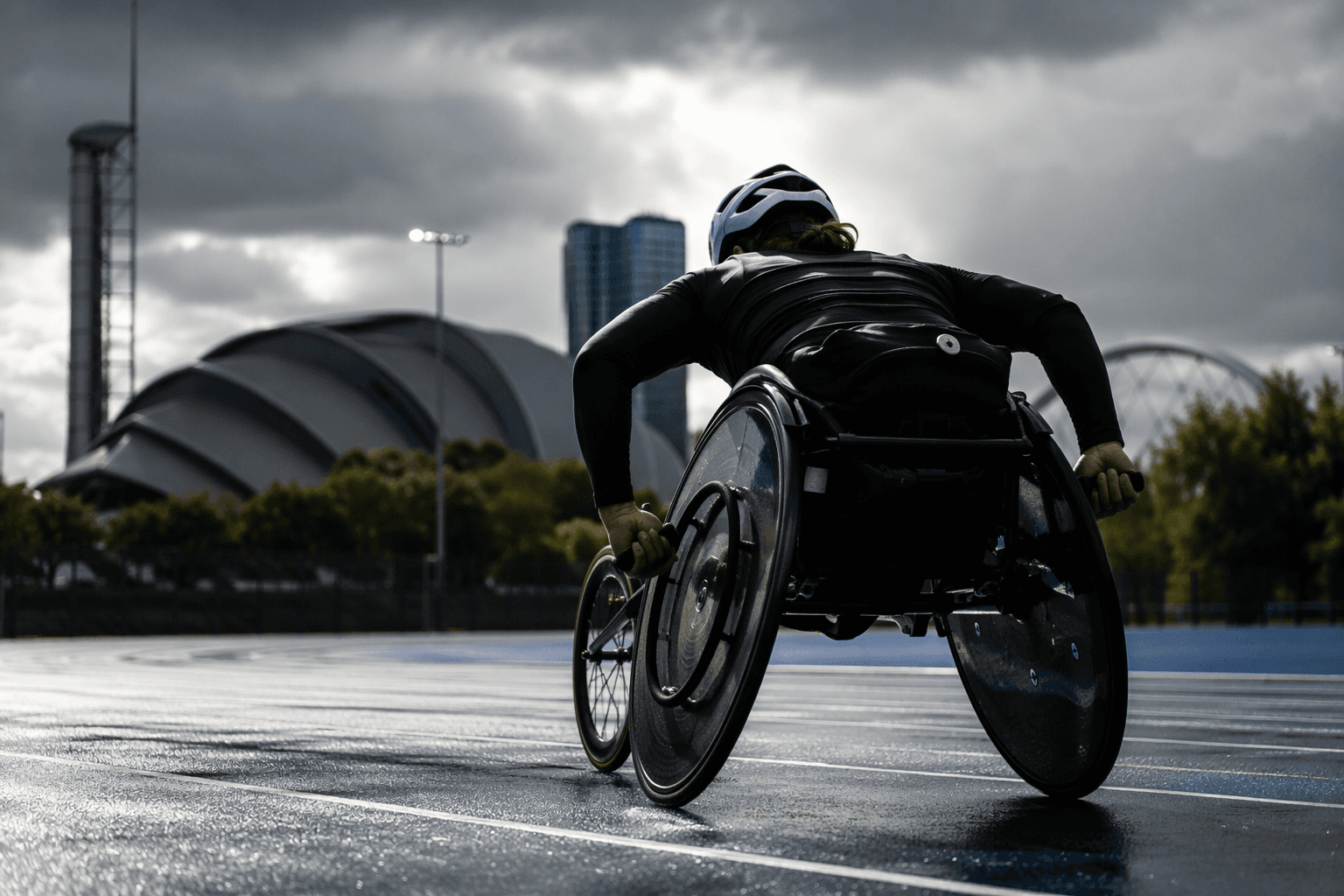
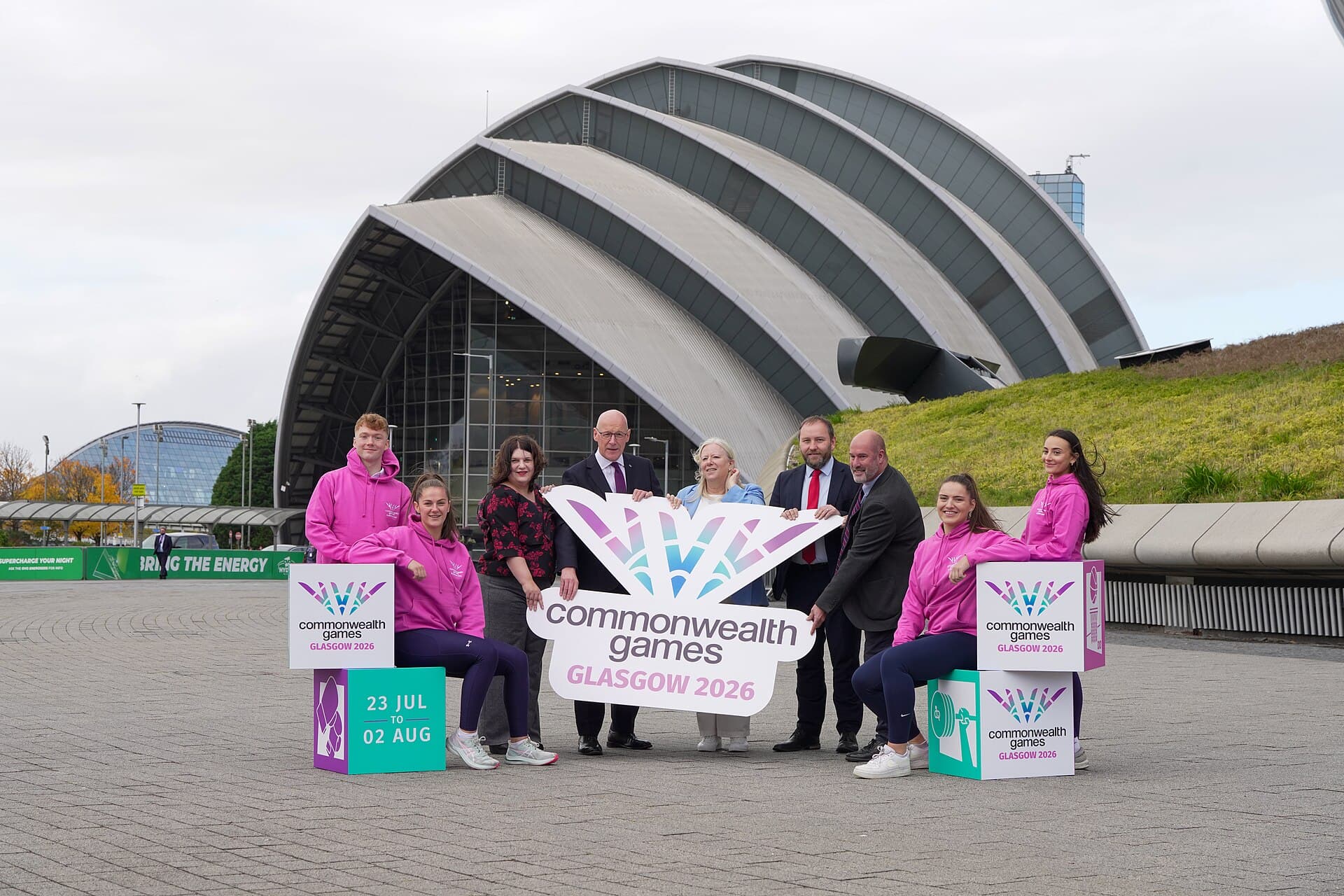
Glasgow’s return to the Commonwealth Games is being built for concentrated drama: 215 gold medals, 10 sports, six Para sports, 133 sport sessions and 51 medal sessions, all staged across four venues from 23 July to 2 August 2026. The scale is smaller than the biggest multi-sport festivals, but the balance of medals, Para sport and Scottish home expectation gives the event a clear broadcast identity.
A compact Games with a large national audience
The Commonwealth remains a 56-nation association representing about 2.7 billion people, so even a slimmed-down edition still lands on a global stage. Glasgow 2026 is leaning into that scale while keeping the footprint tight, with competition concentrated in four venues rather than spread across a wider city network. That structure should make the daily storylines easier to follow, especially for viewers tracking the medal table session by session.
Glasgow also has a useful precedent. When it hosted the Games in 2014, more than 1.3 million tickets were sold, more than 1,200 host-city volunteers were mobilised, and Festival 2014 at Glasgow Green drew 3.4 million visits. Those numbers matter because they show the city has already proved it can turn a Commonwealth Games into a civic event, not just a sporting one.
The programme is built around Para sport and fast-moving finals
Glasgow 2026 says it will stage the largest Para sport programme ever seen at a Commonwealth Games, and that detail changes the shape of the event. Six Para sports are on the programme, and the official sports list includes Athletics and Para Athletics, Swimming and Para Swimming, Track Cycling and Para Track Cycling, and Weightlifting and Para Powerlifting. That pairing of able-bodied and Para disciplines should create a more integrated medal schedule, rather than placing Para events on the margins.
The scale of the headline disciplines also matters. Glasgow 2026 says its Track Cycling and Swimming programmes will be the biggest ever at a Commonwealth Games, which should produce densely packed sessions and a steady stream of finals. For broadcasters, those sports are ideal: they move quickly, deliver repeat finals and often generate clear national medal chances, especially when the schedule piles several medal sessions into a single evening.
There is also one built-in nostalgia factor. The Commonwealth Mile will return to the athletics track for the first time, giving athletics an old-school event with obvious TV appeal. A race with that name is easy to market, but its real value is tactical: it gives the athletics programme a focal point that can carry a whole session.
Beyond the marquee disciplines, the wider sports mix includes artistic gymnastics, bowls, boxing, judo, netball and 3x3 basketball. That breadth gives Glasgow 2026 enough variety to keep different national audiences engaged, while the 51 medal sessions create a long tail of moments that can break out beyond core sports fans.
Josh Kerr is the clearest home-name pressure point
Among the athletes already attached to Glasgow 2026’s build-up, Josh Kerr stands out because he combines a high-profile name with home-nation expectation. Glasgow 2026 has already begun publishing athlete stories and news, including a feature involving the world record holder, and that kind of early visibility is a sign that his performances will be framed as more than just another athletics result.
At a home Games in Glasgow, the stakes around Kerr are straightforward: medal pressure, national attention and the scrutiny that comes with being one of the faces of Scottish athletics. In a programme where the Commonwealth Mile returns to the track, any appearance by a British or Scottish star in the athletics arena will be measured against the crowd response as much as the clock.
That matters because Glasgow 2026 is not simply selling medals. It is selling a chance to stage the moments that a home audience will remember, and athletics is where those moments usually crystallise fastest.
The Para athletes are being placed in the spotlight early
Glasgow 2026’s athlete storytelling has also already included a young Para athlete, with Shifra Ainomugisha and Alfie appearing in that build-up. That is significant because it signals where the organisers want the emotional centre of the Games to sit: not just in the biggest finals, but in the Para programme that Glasgow says will be its largest ever.
For Para athletes, the stakes are unusually visible here. A record-size programme means more medal opportunities, more sessions in front of broad audiences and a stronger claim on mainstream coverage. In a compact Games with only four venues, the Para sports will not be hidden in a sprawling timetable; they are positioned to sit alongside the headline events from the start.
That visibility could shape the wider conversation around Glasgow 2026. When the schedule includes six Para sports and a record number of medal sessions, the athletes in those events will not just be competing for medals. They will be defining what kind of Commonwealth Games this is meant to be.
How the city is positioning the event
Glasgow 2026 is encouraging teams and fans to use its official schedule and ticketing information, and the broadcast plan is also already being defined territory by territory. Commonwealth Games Australia says the Games will be shown live and free on 7 and 7+ in Australia, giving the event a clear pathway to a mass audience there.
That matters because the Games’ impact depends on reach as much as results. Glasgow 2014 showed the city can turn a Commonwealth event into a major public occasion, and the 2026 edition is being shaped to do the same with fewer sports, more Para visibility and a tightly packed medal schedule. With the Commonwealth Mile returning, Josh Kerr carrying home expectation and the Para programme at record size, Glasgow 2026 is set up to produce the kind of moments that define a Games far beyond the final medal table.
This article was produced by Prism’s automated news system from verified source data, official records, and press releases, then run through automated quality and moderation checks before publishing. The system is built and supervised by the people who set the standards it runs under. Read our full AI policy.
Did this article answer your question?