Global investors shift into Chinese AI stocks, chasing cheaper valuations
Institutional and retail investors have increased exposure to Chinese artificial intelligence companies and domestic chipmakers, drawn by Beijing policy support and cheaper listings in Hong Kong and the mainland. The move reflects search for value as stretched U.S. tech valuations raise bubble concerns and geopolitical narratives amplify investor attention.
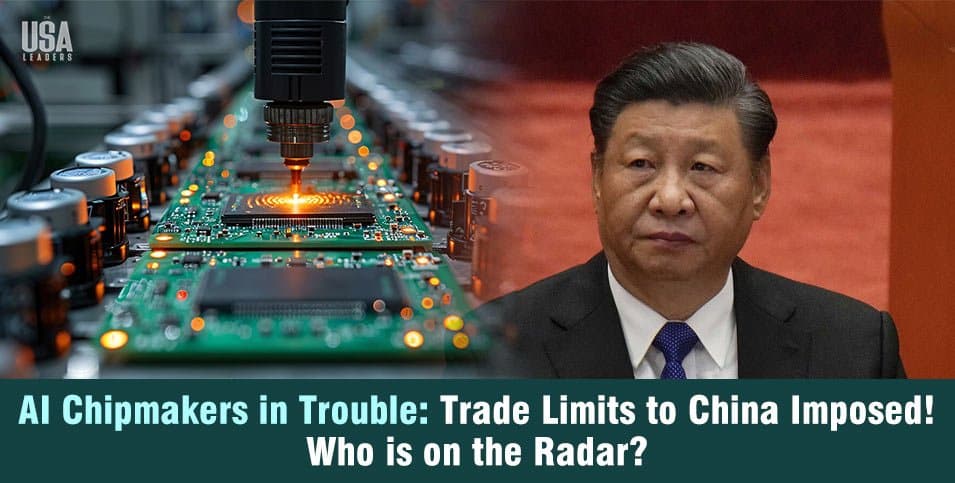
Global investors have been reallocating capital toward Chinese artificial intelligence and semiconductor companies as concerns over frothier valuations on Wall Street grow, according to a Reuters analysis published Dec. 23, 2025. The piece, by Jiaxing Li and Laura Matthews with reporting contributions from Purvi Agarwal and Twesha Dikshit and edited by Michelle Price and Anil D’Silva, found that both institutional and retail buyers are increasingly attracted to Chinese listings by a mix of policy backing, cheaper local valuations, and recent high profile chip debuts.
Investors cited explicit Beijing support for AI and semiconductor development and the broader push for technological self reliance as central reasons to increase exposure to mainland and Hong Kong listings. Market participants also pointed to relative valuation gaps between U.S. listed peers and their China listed counterparts, prompting flows toward perceived bargains. In 2025 one visible barometer was KraneShares KWEB, an exchange traded fund that invests in offshore listed Chinese technology names including Tencent, Alibaba and Baidu, which rose by about two thirds year to date to nearly $9 billion in assets under management.
The shift gathered pace in December when several domestic chipmakers completed high profile listings. Moore Threads and MetaX were fast tracked into public markets this month and were presented in coverage as marquee debuts that helped stoke investor interest. Moore Threads in particular was singled out in market commentary as a potential local rival to dominant U.S. graphics chipmakers, drawing speculation about whether home grown firms can seize market share and investor attention.

Some investors describe the move as a search for the next breakout name, a bid to find high growth stories closer to the ground. The Reuters analysis quoted a market participant saying, “The element of this race narrative, this urgency, is to the benefit of the companies,” adding, “It’s like yelling fire, right? When you make it an emergency, you get a lot of attention.” That sentiment highlights how the geopolitical framing of a Sino U.S. technology race can magnify investor enthusiasm and accelerate flows.
At the same time, analysts warn that momentum into Chinese AI and chip names is not without risk. Many see a bifurcated market where stretched valuations on Wall Street have created speculative excess, and some investors are merely rotating into what appear to be cheaper opportunities rather than reducing exposure to underlying tech risk. Regulators in both markets are watching liquidity and listing conditions, mindful that rapid, narrative driven moves can leave retail investors vulnerable when sentiment reverses.

The Reuters analysis was republished across multiple outlets on Dec. 23 and Dec. 24, 2025, and its reporting underscores how policy, valuation arbitrage and geopolitics are reshaping where global capital is hunting for the next technology winners. As investors reposition ahead of 2026, markets will be testing whether these China focused bets are grounded in sustainable business progress or simply part of a broader rotation of speculative capital.
This article was produced by Prism’s automated news system from verified source data, official records, and press releases, then run through automated quality and moderation checks before publishing. The system is built and supervised by the people who set the standards it runs under. Read our full AI policy.
Did this article answer your question?


