Global markets slip as investors sell tech and chip stocks
Tech and chip shares dragged global markets lower Friday, with chip stocks down 5.3% in a day and 7.7% for the week, their sharpest slide since March 2025.

A selloff in high-flying technology and chip stocks pushed global markets lower Friday, with chip shares down 5.3% on the day and headed for a 7.7% weekly loss, their sharpest drop since March 2025. Wall Street’s three main indexes finished slightly lower in choppy trading, while the Dow Jones Industrial Average was still on track for a weekly gain even as the S&P 500 and Nasdaq moved into weekly losses.
The retreat was broad enough to reach Europe and Asia. European stocks fell nearly 0.7%, Asian shares outside Japan dropped almost 3%, and South Korea’s KOSPI briefly lost as much as 5.8%, while MSCI’s global stock gauge fell 0.53% and was headed for a 2% weekly decline. MSCI’s World and ACWI complex was still near record highs around June 26.
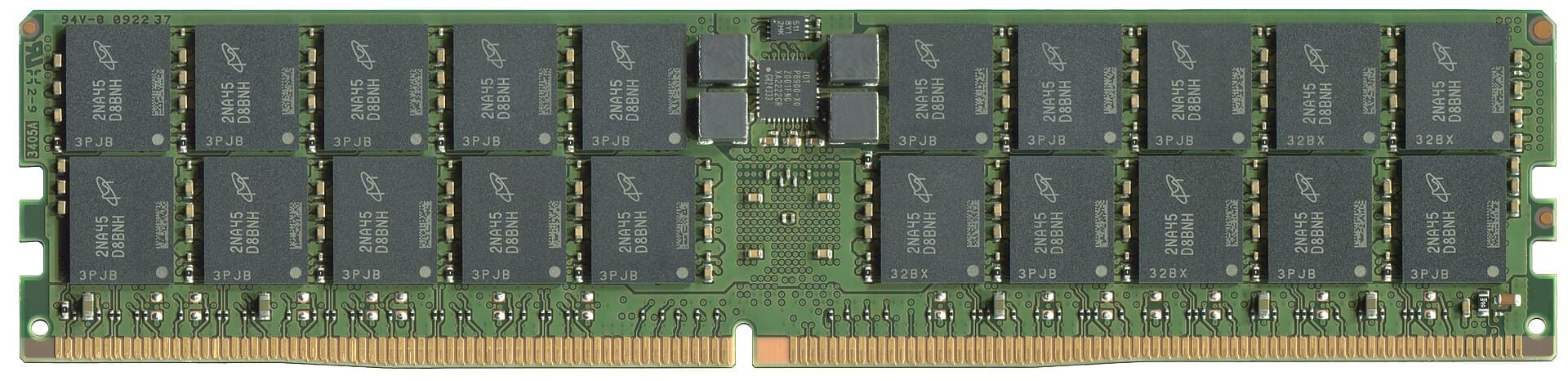
Market leadership has been unusually concentrated in a handful of mega-cap technology names and semiconductor stocks, and that is what made the reversal so visible. Micron Technology’s strong quarterly results had briefly lifted chip sentiment earlier in the week, but the bounce faded as investors kept taking profits. Apple’s price hikes added concern about the inflationary effects of heavy AI spending and constrained components.
Mark Hackett, chief market strategist at Nationwide, said the move was a healthy consolidation after the market’s historic run since March, and investors still showed a buy-the-dip mentality. Healthcare and real estate held up better than industrials, technology and energy.
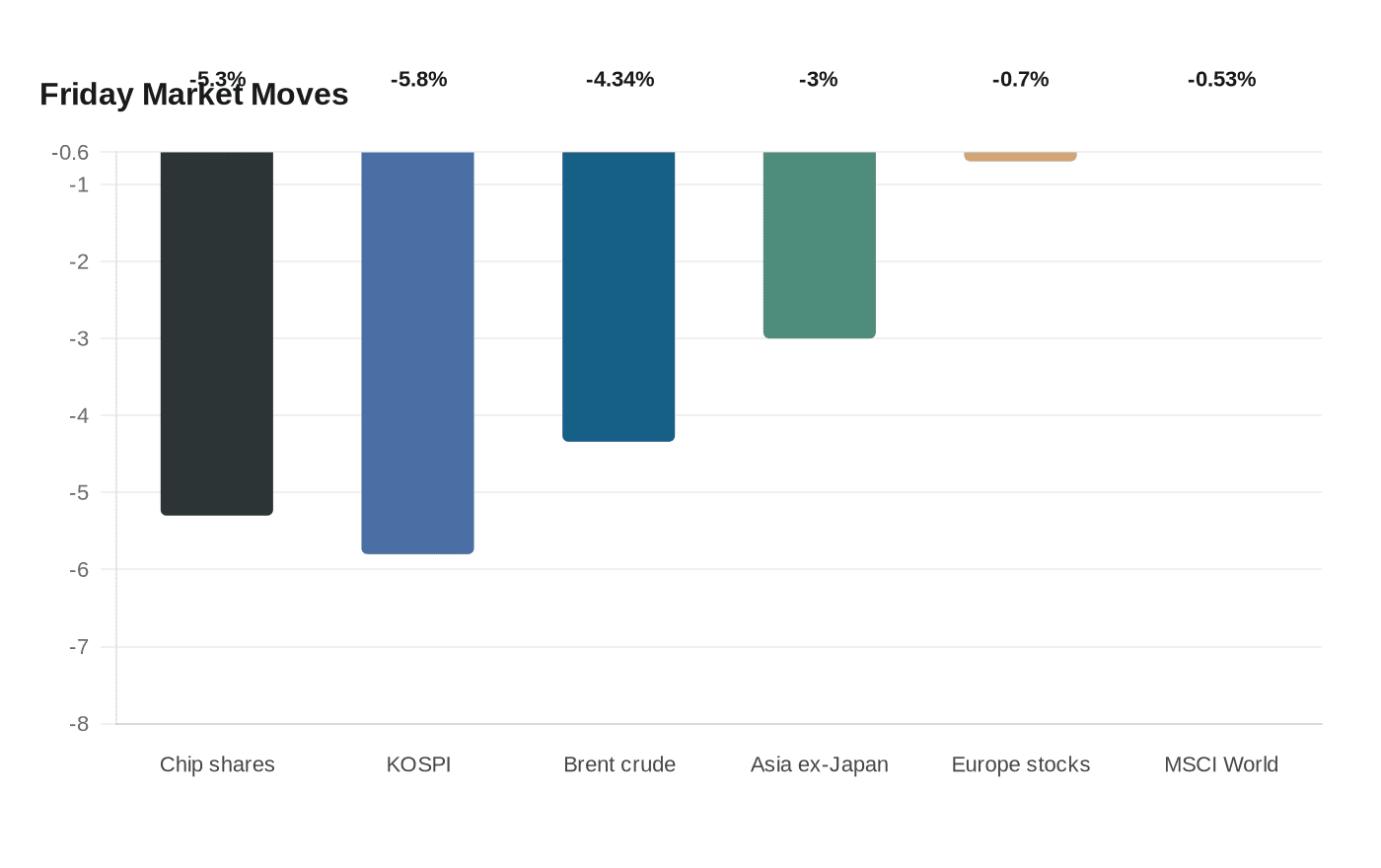
Energy markets moved the other way. Brent crude fell 4.34% to settle near $72 a barrel as more tankers left the Strait of Hormuz, and oil drifted toward pre-war levels as ships continued to move through the passage. The weakness in crude added to the drag on energy stocks.
This article was produced by Prism’s automated news system from verified source data, official records, and press releases, then run through automated quality and moderation checks before publishing. The system is built and supervised by the people who set the standards it runs under. Read our full AI policy.
Know something we missed? Have a correction or additional information?
Submit a Tip