Global Trade Alert says Britain biggest loser after Trump’s tariff moves
Global Trade Alert analysis says U.K. would be hardest hit by President Trump’s move toward a 15% global tariff; an alternate plan would impose a 10% import tax from Feb. 24 for 150 days.
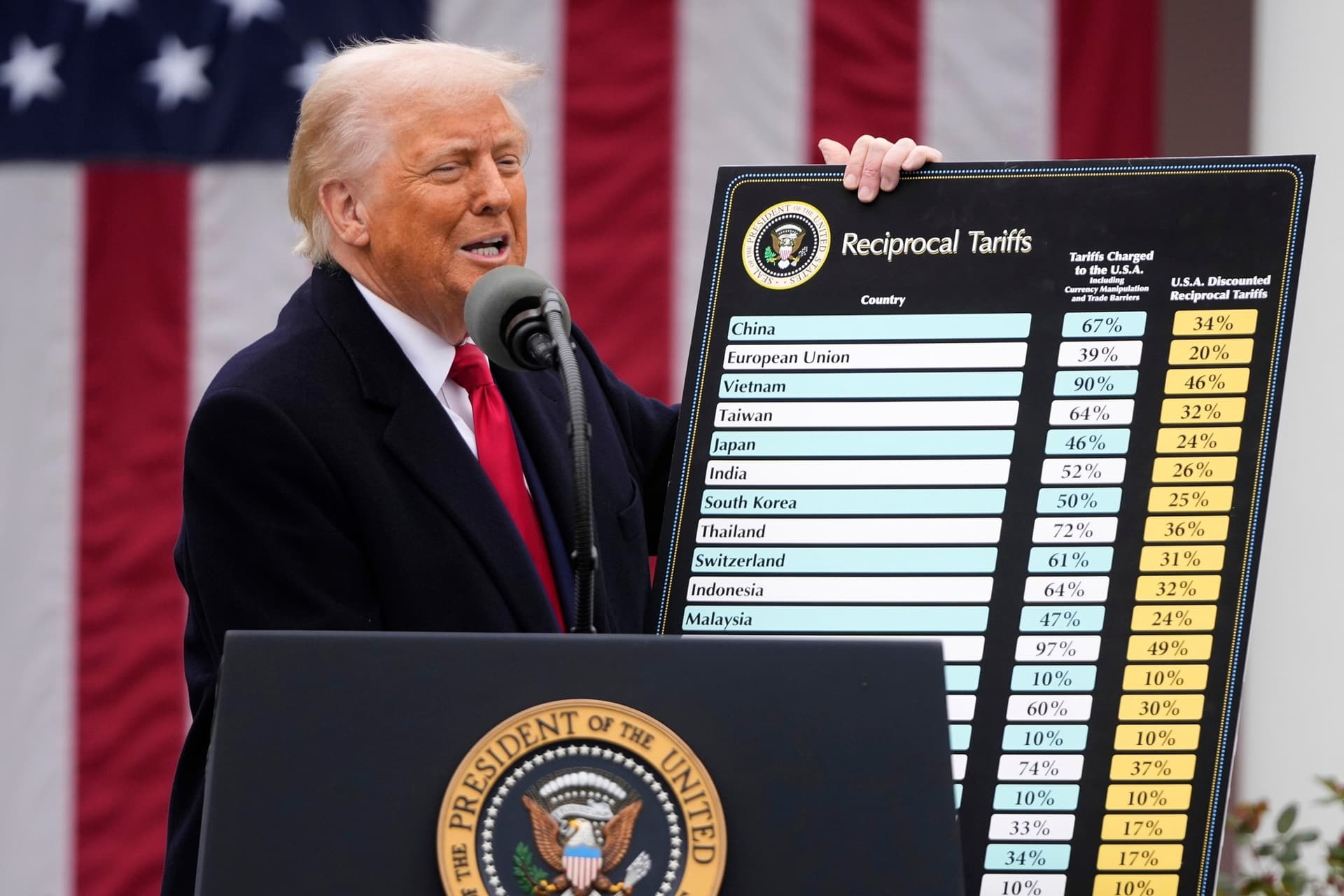
Global Trade Alert’s analysis identifies Britain as the biggest loser after President Trump moved to raise U.S. import levies, a shift that risks undermining recent preferential arrangements and hitting goods exporters across allied economies. The change follows a 6-3 U.S. Supreme Court decision that struck down the administration’s previous emergency tariff authority and has prompted the White House to announce alternative measures that industry and governments say will scramble trade patterns.
The Supreme Court ruling removed the legal basis for tariffs imposed under the International Emergency Economic Powers Act, the court found, curtailing the executive branch’s ability to impose broad trade penalties under that statute. In the wake of the decision, Mr. Trump publicly signaled an across-the-board increase to 15 percent, language that Global Trade Alert used in its ranking of losers and winners among America’s top 20 import partners. GTA found Japan, South Korea and major European Union members also worse off, while Brazil, China and India would stand to benefit because many of their current U.S. duties are already above that level.
Legal and operational details remain unsettled. Administration action cited a different statute, Section 122 of the 1974 Trade Act, which permits tariffs of up to 15 percent to address balance-of-payments concerns. Separately, reporting from trade analysts described a White House proclamation to enact a temporary 10 percent tax on all U.S. imports starting Feb. 24 and lasting 150 days, with exemptions for energy, critical minerals, fertilizers and certain agricultural items and duty-free USMCA goods. That 10 percent timetable would run until July 24 if implemented as described in the report.
The policy pivot has immediate commercial implications. Britain negotiated what officials described as a 10 percent preferential arrangement with the United States; Global Trade Alert’s modeling suggests a blanket 15 percent rate would move the U.K. to the bottom of major-partner rankings, erasing the advantage allies thought they had secured. Bridget Phillipson, Britain’s education secretary, said on Sky News that Britain had secured a “preferential deal” and that “we would hope and expect that to continue, but these discussions are ongoing.” Andy Haldane, president of the British Chamber of Commerce, told the BBC: “The perversity of what happened of the weekend was that those who got good deals, the allies, have been most disadvantaged.”
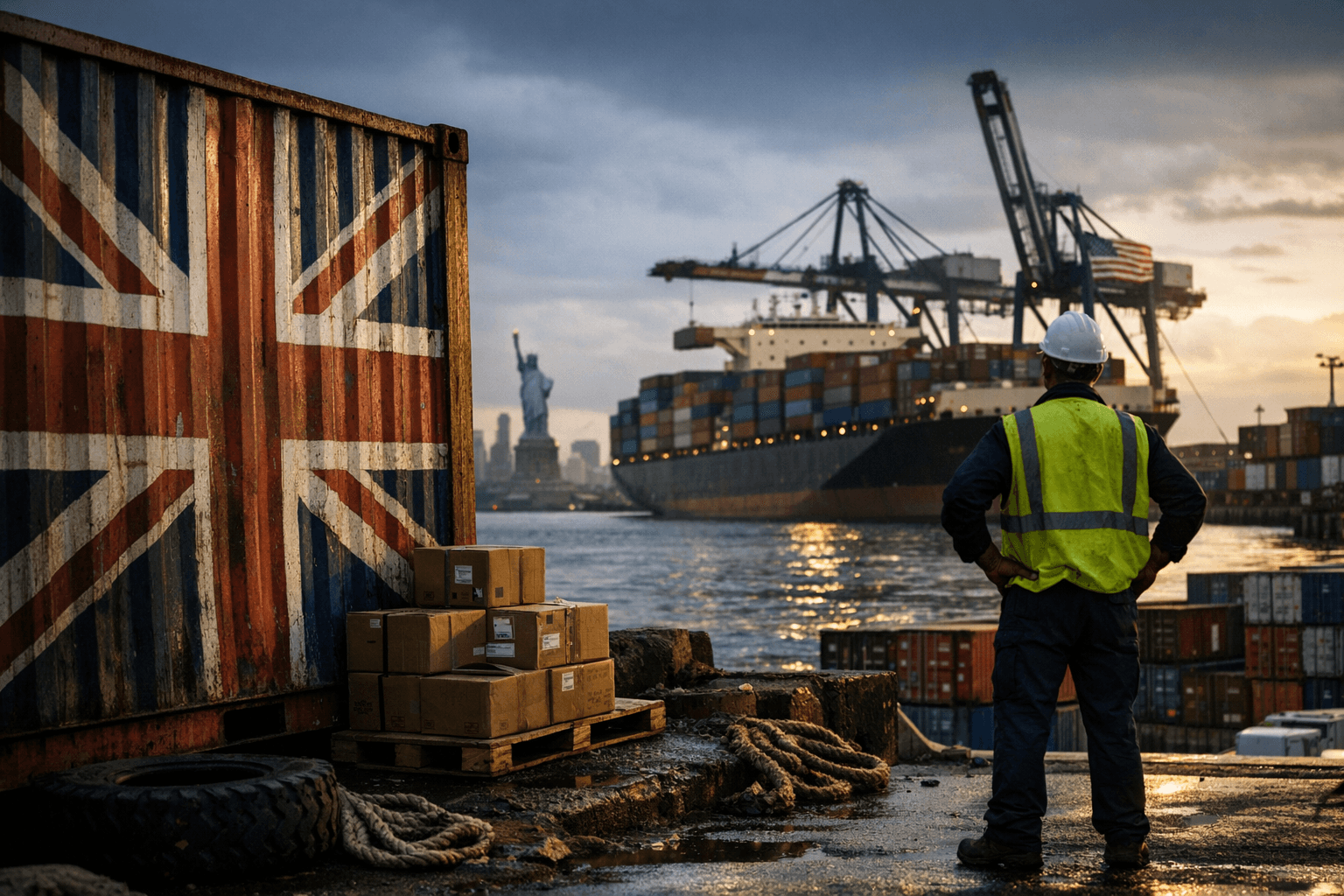
Australia’s trade minister, Don Farrell, warned that a new 15 percent global tariff would hamper Canberra’s recent uptick in exports to the United States, while one report suggested New Zealand exporters may see a net benefit under a uniform rate that lowers duties they currently face. U.S. Trade Representative Jamieson Greer told CBS that bilateral arrangements were negotiated independently of the emergency-tariff litigation and that “These deals are going to be good deals. We expect to stand by them. We expect our partners to stand by them.”
The sectoral effects are stark in concentrated industries. An assembly line image of Jaguar Land Rover’s Solihull plant underlines the exposure: the automaker sells about a fifth of its cars in the United States, making any U.S. tariff rise a material cost pressure on manufacturing and prices for consumers. With legal authority, tariff rate and exemption lists in dispute, businesses and trade ministries face a short window to quantify losses, renegotiate terms and adapt supply chains if Washington proceeds with broad, higher duties.
This article was produced by Prism’s automated news system from verified source data, official records, and press releases, then run through automated quality and moderation checks before publishing. The system is built and supervised by the people who set the standards it runs under. Read our full AI policy.
Did this article answer your question?