GLP-1 drugs transformed weight loss, but cost and side effects linger
GLP-1 drugs changed weight loss and diabetes care, but many patients still cannot afford them or stay on them long enough to see the full benefit.
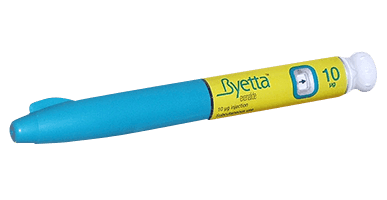
GLP-1 drugs have done something rare in modern medicine: they have turned a class built for diabetes into a force that can reshape weight loss, heart-risk treatment and the way millions think about chronic disease. Yet the same medicines that have changed lives for more than 30 million people in the United States also expose how fragile the system around them remains, from pharmacy costs to insurance limits to the follow-up care needed when side effects appear.
From diabetes therapy to a broader medical tool
The story begins with exenatide, sold as Byetta, the first GLP-1 receptor agonist approved in the United States for type 2 diabetes in 2005. What started as a glucose-lowering treatment widened into a far larger therapeutic category as semaglutide and tirzepatide moved beyond diabetes care and into obesity medicine, then into cardiovascular prevention. The FDA approved Wegovy, the semaglutide version for chronic weight management, on June 4, 2021 for adults with obesity or overweight with at least one weight-related condition.
Tirzepatide followed a similar path. Mounjaro was first approved for type 2 diabetes, and Zepbound later received approval for chronic weight management in adults with obesity or overweight with a weight-related comorbidity. The FDA then added another layer in 2024 when it approved Wegovy to reduce the risk of cardiovascular death, heart attack and stroke in adults with cardiovascular disease and either obesity or overweight. That shift matters because it shows these medicines are no longer being viewed only as weight-loss drugs. They are increasingly treated as chronic-disease medicines with implications for heart health, metabolic health and long-term risk reduction.
The scientific arc behind that transformation was also recognized at the highest level in 2024, when the Lasker-DeBakey Clinical Medical Research Award went to Joel Habener, Svetlana Mojsov and Lotte Bjerre Knudsen. Their work helped make GLP-1 obesity treatments possible, and it marked the moment when a once-niche hormone pathway became central to mainstream medicine.
The access gap is now the central policy problem
The promise of GLP-1s is real, but access is uneven. The Centers for Disease Control and Prevention says more than 8 in 10 U.S. adults with type 2 diabetes are eligible for newer diabetes medicines that can also help with weight and cardiovascular or kidney risk. Eligibility, though, is not the same as access. These drugs are expensive, and the price tag has become one of the biggest barriers to sustained use.
That financial strain shows up in polling. KFF found in November 2025 that 12% of U.S. adults said they were currently taking a GLP-1 drug, while about half said the drugs are difficult to afford. Those numbers point to a broad public appetite for treatment alongside a system that still makes continued use hard for many households. For patients, the practical problem is not just getting a prescription once. It is paying for the next month, and the month after that, often indefinitely.
Medicare highlights the policy tension even more sharply. Under current law, Medicare generally cannot cover obesity drugs, even as use and spending in the program have risen sharply. That creates an awkward split in federal policy: the government recognizes the health risks tied to obesity and related disease, but coverage rules still leave a major class of treatment outside routine access for many older adults. The result is an access and equity debate that is no longer theoretical. It is shaping who gets treated, who stays on therapy and who drops off when the bills arrive.
Benefits are powerful, but side effects are common enough to matter
The appeal of GLP-1s is obvious in the clinic. Many patients lose substantial weight, and some see improvements that reach beyond the scale. But the medicines are not side-effect free, and the most common problems are the kinds that can push people to stop taking them. JAMA reported in 2025 that semaglutide and tirzepatide commonly cause nausea, diarrhea, vomiting, constipation and dyspepsia.

The same reporting found that about 6% to 10% of patients in clinical trials permanently discontinued semaglutide or tirzepatide because of adverse effects. Outside trial settings, adherence can be even harder. An observational study cited by JAMA found that 53% of patients who started incretin-based therapies for obesity discontinued by one year. That matters because the benefits of these drugs are not one-time events. They depend on ongoing treatment, which means side effects, tolerance and patient support become part of the outcome.
For clinicians, that creates a new kind of follow-up burden. A drug class that can produce dramatic results also demands close attention to symptom management, dose changes and whether the patient can realistically remain on therapy. In practice, the promise of transformation often meets the reality of discontinuation.
The safety questions are broader than stomach upset
The FDA’s own labeling underscores that the risk conversation does not stop at nausea or constipation. Semaglutide and tirzepatide can delay gastric emptying, which may affect the absorption of oral medications. That can matter for patients who take multiple pills for chronic conditions, especially when the timing and effectiveness of other drugs are critical.
The labeling also warns about rare but serious risks, including acute pancreatitis, gallbladder disease and thyroid C-cell tumor warnings. In addition, the FDA notes rare postmarketing reports of pulmonary aspiration during anesthesia or deep sedation. Those warnings do not erase the value of the drugs, but they do narrow the case for treating GLP-1s as simple lifestyle tools. They are powerful biologic medicines with real clinical trade-offs.
That is why the long-term risk question remains central. The class has changed the treatment landscape quickly, but the full picture of years-long use, medication interactions and patient selection is still being built in real time. The stakes are high because the market is already large, the benefits are substantial and the harms, while often uncommon, can be serious.
What this means for patients and the health system
GLP-1 drugs now sit at the intersection of three pressures: demand, affordability and medical supervision. They can produce results that once seemed out of reach, and they are increasingly being used for more than weight loss alone. But the system around them has not caught up. Insurance coverage remains uneven, Medicare policy still limits obesity-drug access, side effects can drive discontinuation and many patients cannot afford to stay on treatment long enough to capture the full benefit.
That is the real story of the GLP-1 era. The drugs are transformative, but transformation is not the same as access. Until the health system can handle cost, continuity and follow-up care, the gap between clinical promise and real-world use will remain the defining limit on who benefits.
This article was produced by Prism’s automated news system from verified source data, official records, and press releases, then run through automated quality and moderation checks before publishing. The system is built and supervised by the people who set the standards it runs under. Read our full AI policy.
Did this article answer your question?