GM may ditch LFP batteries, bets on higher-density LMR for EVs
GM is weighing a break from cheaper LFP EV batteries as it bets on LMR, a chemistry it says can deliver 33% more energy density at similar cost.
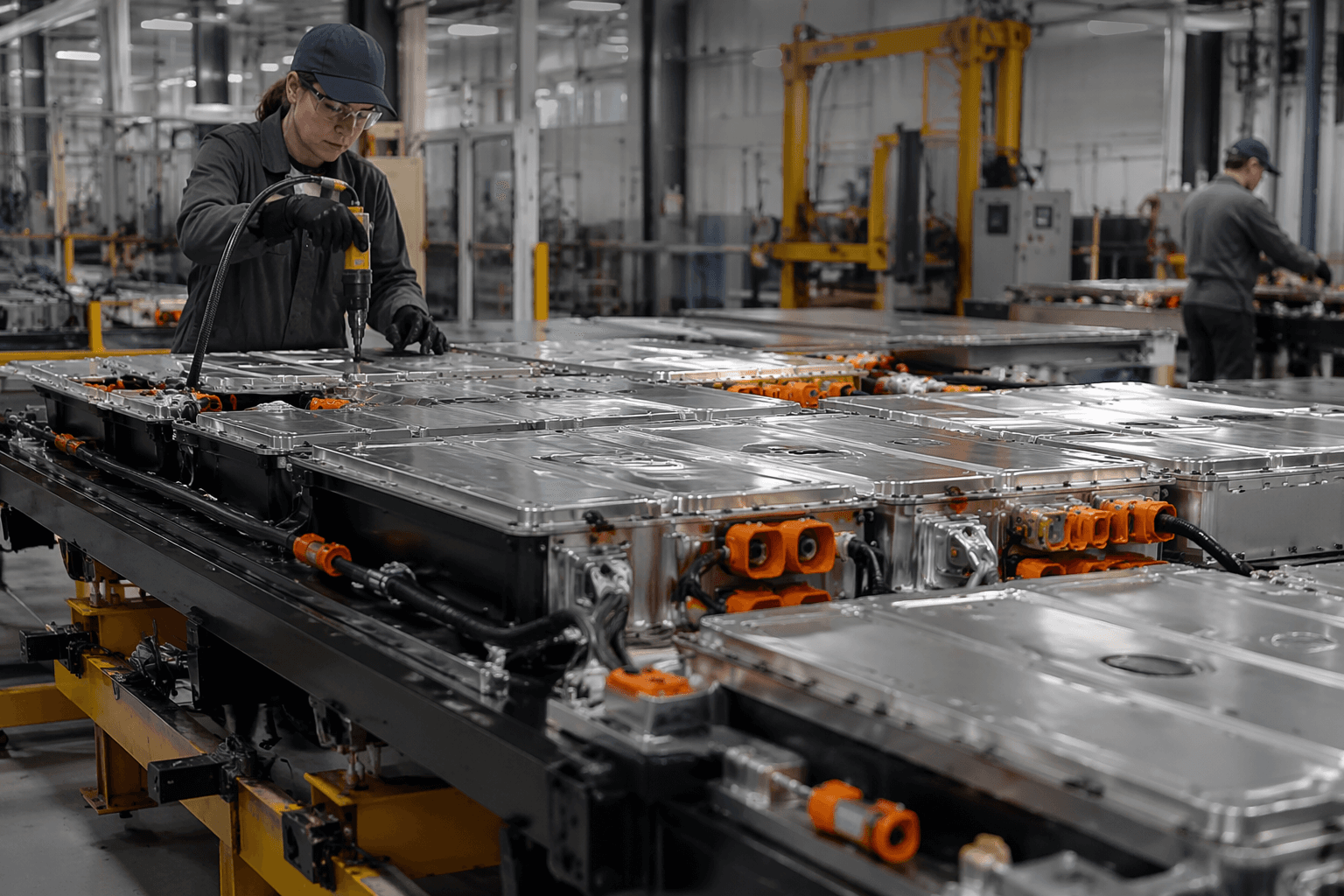
General Motors is reshaping its battery playbook around a chemistry it believes can deliver more range without pushing costs higher. The automaker is now leaning toward lithium manganese-rich, or LMR, batteries for future electric vehicles and may no longer pursue lithium-iron-phosphate, or LFP, cells for that role, a move that could alter vehicle prices, driving range and the company’s dependence on global battery suppliers.
The shift matters because LFP has become the go-to low-cost option across the EV industry. It is cheaper, safer and more durable than many alternatives, but it also stores less energy for the same weight and size, which usually means shorter range. GM’s own battery chief, Kurt Kelty, has said LMR can cost about the same as LFP in the U.S. while packing more energy, and GM and LG Energy Solution said on May 13, 2025, that their LMR prismatic cell unlocks 33% higher energy density than the best-performing LFP cells at comparable cost.
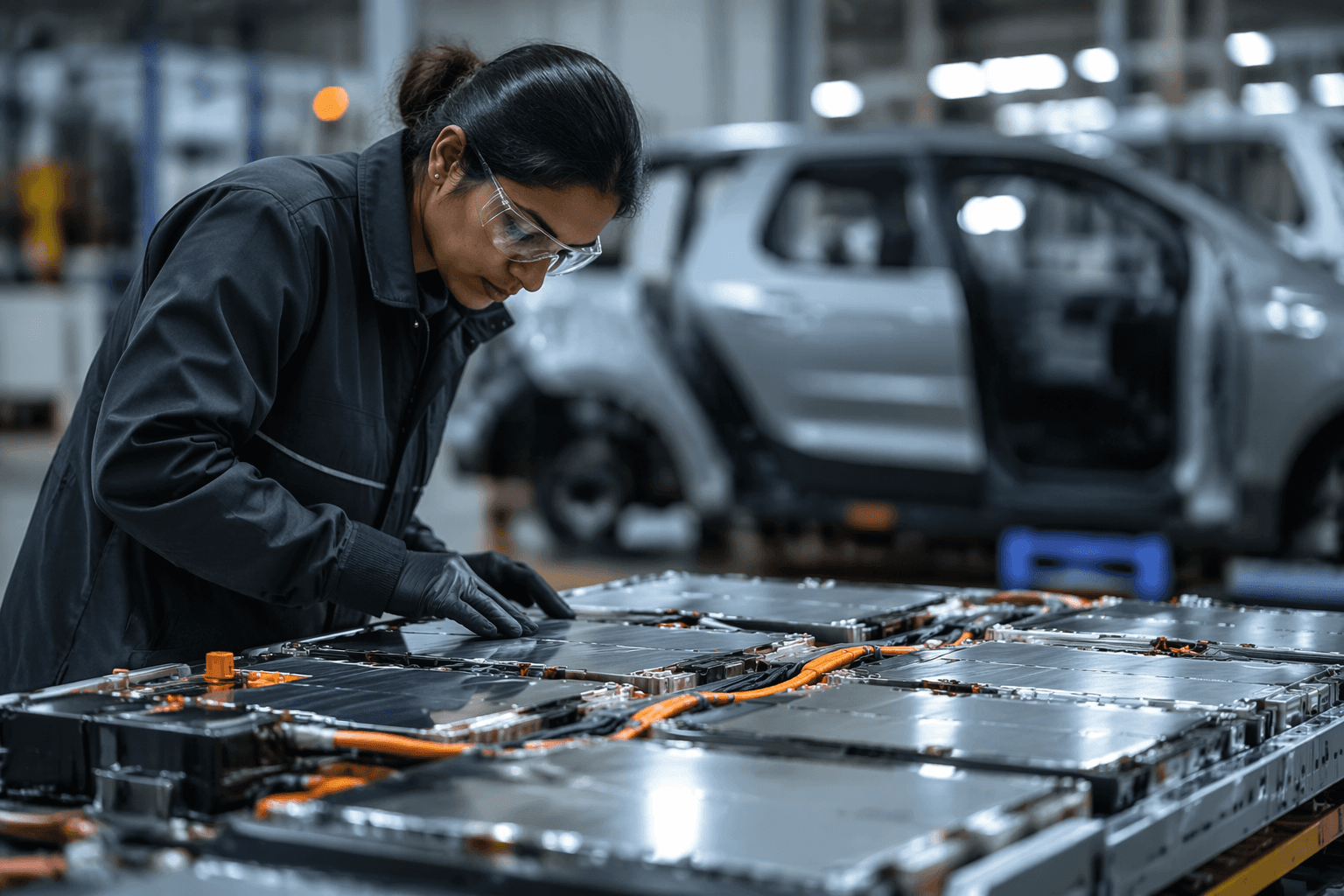
That creates a direct strategic trade-off. GM had previously planned to make LFP cells in late 2027 at its jointly owned Tennessee battery plant, but that facility is now set to start production in June with initial output going to energy-storage systems rather than EVs. LG Energy Solution says the Ultium Cells joint venture in Spring Hill, Tennessee, will produce ESS-focused LFP cells and aims for mass production in the second quarter of 2026 after about $70 million in investment. In that setup, LFP is still useful, just not necessarily for GM passenger cars and trucks.
LMR is becoming the bigger bet. GM has said the chemistry uses a much higher proportion of manganese and far less cobalt, reducing exposure to one of the industry’s costlier and more supply-constrained materials. In May 2025, GM said it aimed to be the first automaker to deploy LMR in EVs, with the chemistry targeted for future electric trucks and full-size SUVs and commercialization planned for 2028. Kelty has described LMR as the company’s “workhorse,” signaling where GM expects to move volume.
For U.S. automakers, the stakes go beyond one plant in Tennessee. GM’s Bolt already uses LFP cells from CATL, while newer U.S.-built EVs rely on nickel-rich batteries. If GM can scale LMR at LFP-like cost, it could help narrow the gap with lower-cost Chinese EV makers without giving up range, but it would also deepen the company’s reliance on a still-emerging chemistry that has been under development for more than a decade. That makes GM’s battery pivot less of a retreat from low-cost EVs than a bid to control them on different terms.
This article was produced by Prism’s automated news system from verified source data, official records, and press releases, then run through automated quality and moderation checks before publishing. The system is built and supervised by the people who set the standards it runs under. Read our full AI policy.
Know something we missed? Have a correction or additional information?
Submit a Tip