Gold and Silver Extend Rally as Markets Price Fed Rate Cuts
Gold and silver opened 2026 higher, building on an extraordinary 2025 surge as investors increasingly price in potential Federal Reserve rate cuts and a softer U.S. dollar. The moves matter for portfolios and commodity markets because they reflect shifting macro policy expectations, strong central bank demand and a broadening commodity rally that could reshape inflation hedges and investor allocation this year.
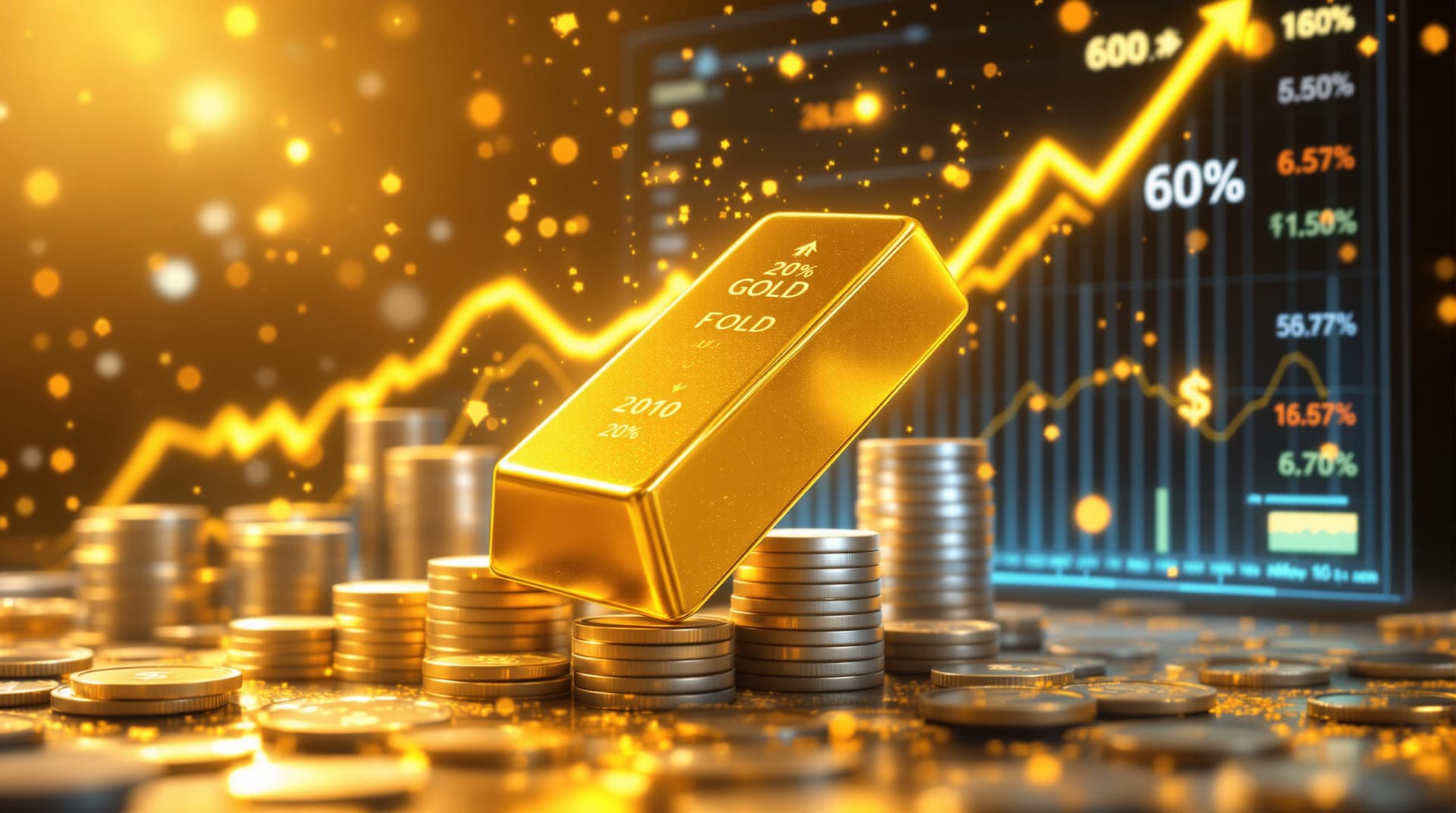
Precious metals opened the new year on a firm footing as investors continued to prize exposure to gold and silver amid expectations of U.S. monetary easing and a weaker dollar. In early Asian trade on Jan. 2 spot gold was trading at $4,351.70 an ounce and spot silver at $72.63 an ounce, with volumes thin as markets reopened after the New Year holiday.
The strength is an extension of an exceptional 2025. Over the past year gold climbed from roughly $2,600 an ounce to highs above $4,300, a gain of about 64 percent, while silver rallied roughly 150 percent from roughly $30 to near $70. Those moves represented some of the largest annual percentage gains for the sector in decades, driven by a confluence of monetary, geopolitical and demand-side forces that analysts say remain present at the start of 2026.
Monetary policy expectations sit at the center of the story. Investors are increasingly betting that the Federal Reserve will move to cut interest rates this year, a shift that reduces the opportunity cost of holding non-yielding assets such as bullion and tilts demand away from cash and into stores of value. That dynamic has been reinforced by a weakening U.S. dollar, which market participants and some strategists characterize as a debasement risk to reserve currencies. As Vishnu Varathan of Mizuho put it, the rally underscores hedges against "entrenching USD debasement risks."
Geopolitical and geoeconomic tensions have amplified safe-haven demand. Juan Carlos Artigas, Global Head of Research at the World Gold Council, described the backdrop as a "supercharged geopolitical and geoeconomic environment" that, combined with a softer dollar and marginally lower rates, is supporting ongoing investment interest in precious metals.
Central bank purchases and exchange-traded fund inflows have supplied persistent physical demand. Asset-flow data reported by investment managers showed notable institutional and retail interest. John Ciampaglia at Sprott said the firm has seen about $1.5 billion into the Sprott Physical Gold Trust, bringing the trust to roughly $15 billion in size, and about $1 billion into the Sprott Physical Silver Trust; he described the two-year gains as "unprecedented" and noted that long-term average gold returns are nearer 8–10 percent annually.
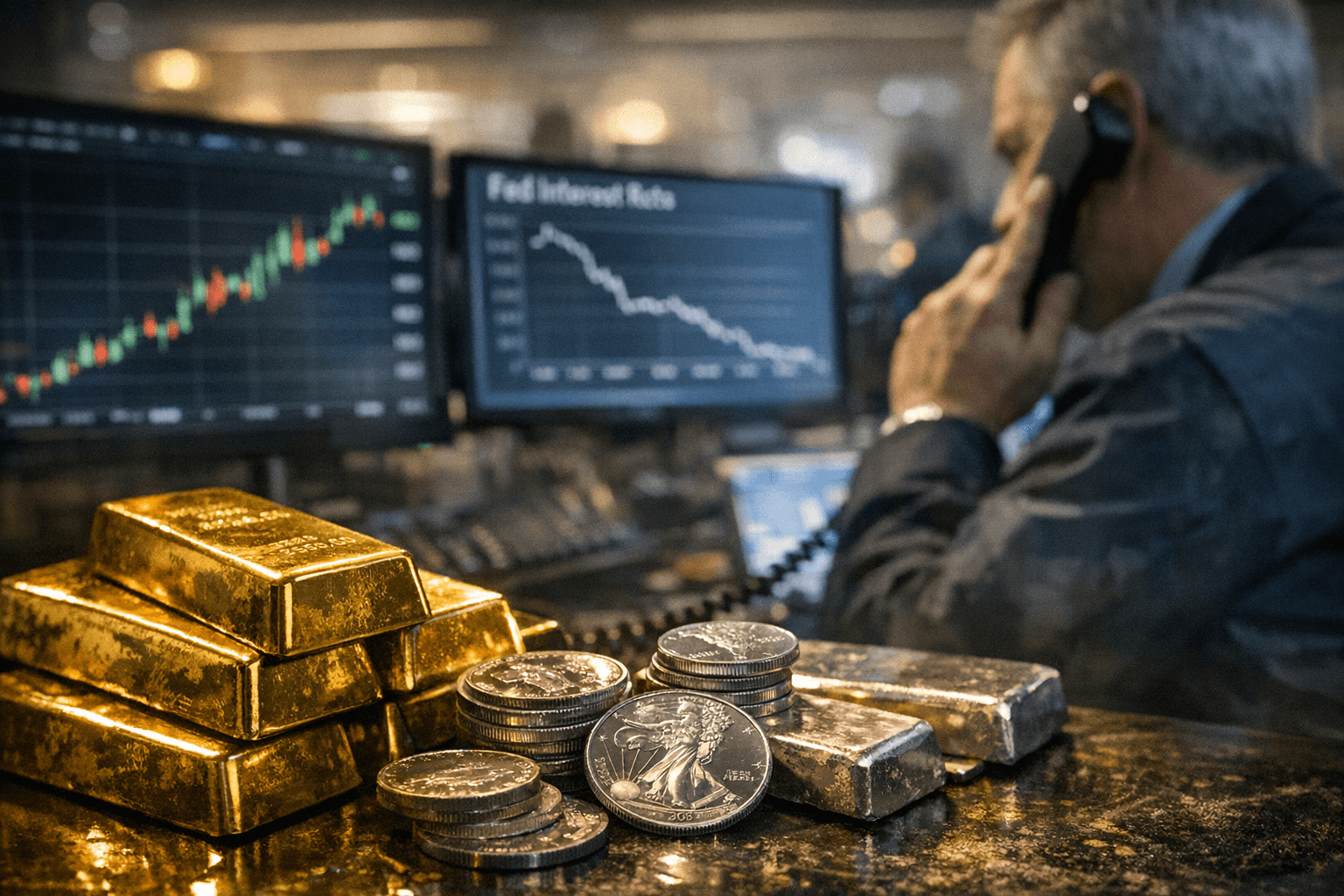
Industrial demand and a broader rally in base and precious metals have added momentum, with gains in copper, platinum and palladium supporting cyclical and speculative flows into related commodities. Some banks and analysts have pushed 2026 gold forecasts higher on lingering uncertainty; HSBC analysts raised a 2026 target to $5,000 an ounce late in 2025.
Despite the optimism, market participants warn of near-term technical and liquidity risks. Strategists caution that index rebalancing can create temporary dislocations, and trading remained muted in early sessions as liquidity was low while Japan and China remained closed for holidays. Observers also note that 2025's outsized percentage moves are unlikely to be replicated without sustained policy shifts or further escalation in geopolitical or geoeconomic stress. Alex Beene, a financial-literacy instructor, called 2025 "one of the strongest years for gold and silver since the late 1970s," and said continued gains in 2026 would depend on the policy path and the broader growth outlook.
For now, portfolios and markets enter 2026 watching central bank guidance, U.S. economic data and dollar direction as the main determinants of whether the metals consolidate recent gains or extend the extraordinary rally seen in 2025.
This article was produced by Prism’s automated news system from verified source data, official records, and press releases, then run through automated quality and moderation checks before publishing. The system is built and supervised by the people who set the standards it runs under. Read our full AI policy.
Did this article answer your question?

