Gold Climbs Fourth Month as Traders Price December Fed Cut
Spot gold rose about 1 percent on November 28 to a two week high, putting the metal on track for a fourth straight monthly gain as markets increasingly priced in a Federal Reserve rate cut in December. Softer economic data, dovish Federal Reserve commentary, and a disruptive CME Group outage earlier in the week helped push investors toward non yielding stores of value such as gold and silver.
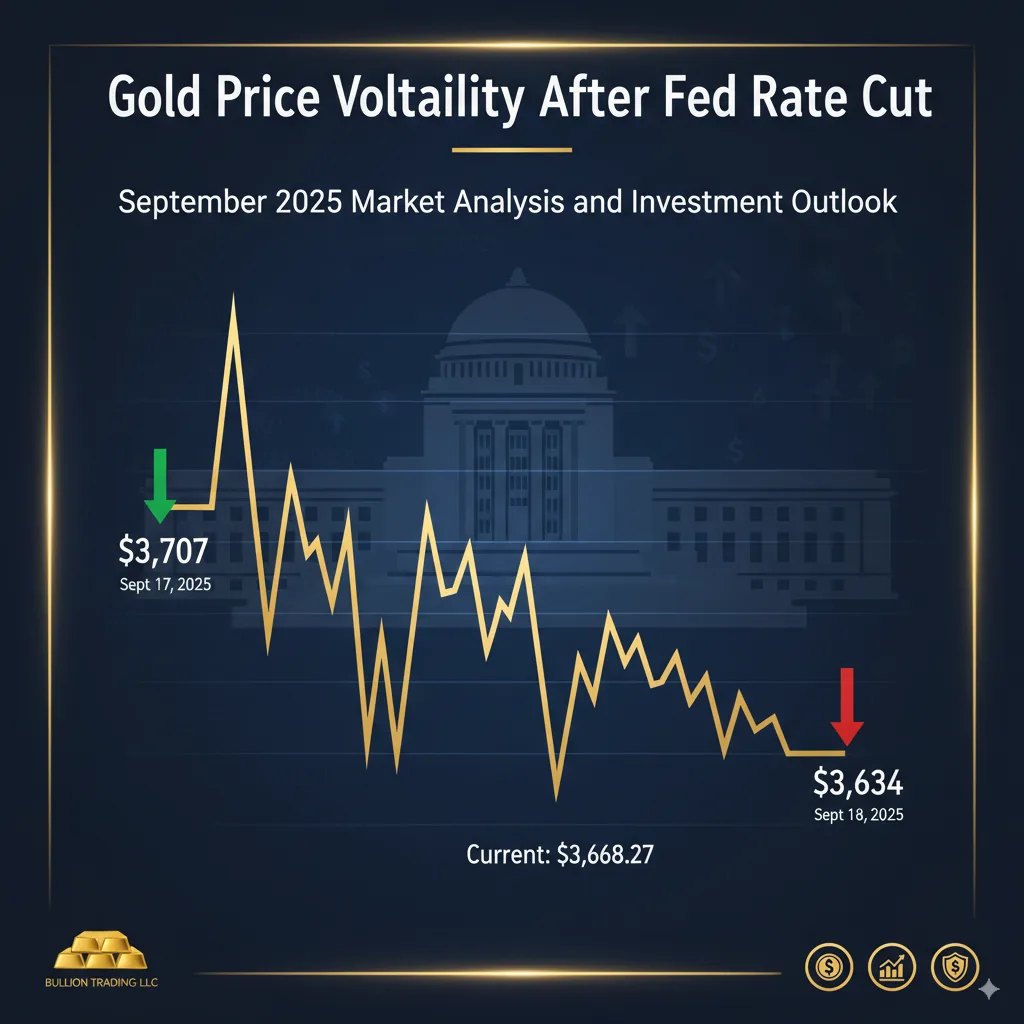
Spot gold advanced roughly 1 percent on November 28 to reach a two week high, extending a run that left the metal poised for a fourth consecutive monthly gain. The move reflected a growing consensus among traders that the U.S. Federal Reserve will begin easing policy in December, a shift that reduces the opportunity cost of holding non yielding assets and lowers real yields, a key driver for bullion demand.
Silver also strengthened and hit a fresh record during the session, underscoring the broader rush into precious metals. The gains came amid a backdrop of softer economic data that weighed on expectations for a prolonged period of restrictive policy, and a string of dovish remarks from Fed officials that reinforced the idea the central bank was preparing to pivot. Together, those signals diminished the premium investors demand for yield bearing instruments, making gold and silver comparatively more attractive.
Market mechanics amplified the price action. Earlier in the week a CME Group trading outage disrupted futures trading, curbing liquidity and compressing the usual price discovery channels for metals futures. Traders said the outage had temporarily displaced order flow into spot markets and over the counter venues, intensifying intraday swings when liquidity returned. The interruption highlighted how technical and operational factors can accentuate moves already underway because of policy expectations.
The price dynamics have implications for both investors and policymakers. For investors, a sustained decline in official interest rates could support continued buying in bullion, particularly if real yields remain negative and inflation expectations stay above central bank targets. For the Fed, a market that responds strongly to rate cut signals raises the stakes for communications. Policymakers must balance the desire to ease financial conditions with the risk that markets overshoot, creating unintended asset price inflation.

Analysts noted that the rate cut outlook was drawing demand into non yielding assets, reversing a trend that had favored cash and short duration bonds through much of the prior year when rate uncertainty kept investors on the sidelines. The fourth monthly advance in gold suggests that expectations for lower rates are now becoming embedded in positioning across hedge funds and exchange traded products, which can magnify moves if flows accelerate.
Longer term, metals markets will likely remain sensitive to shifts in the Fed policy path, real interest rates, and the strength of the economic backdrop. If incoming data confirm continued weakness, bullion could see additional inflows. Conversely, stronger than expected growth or stubbornly high inflation would prompt investors to reassess the probability and timing of cuts, quickly altering the appeal of non yielding stores of value.
This article was produced by Prism’s automated news system from verified source data, official records, and press releases, then run through automated quality and moderation checks before publishing. The system is built and supervised by the people who set the standards it runs under. Read our full AI policy.
Did this article answer your question?

