Goldman Boosts David Solomon’s 2025 Pay 21% to $47M, Adds Carry
Goldman Sachs' board set David Solomon's 2025 pay at $47 million, up 21%, rewarding strong revenue and adding carried-interest-style incentives that affect senior compensation and retention.
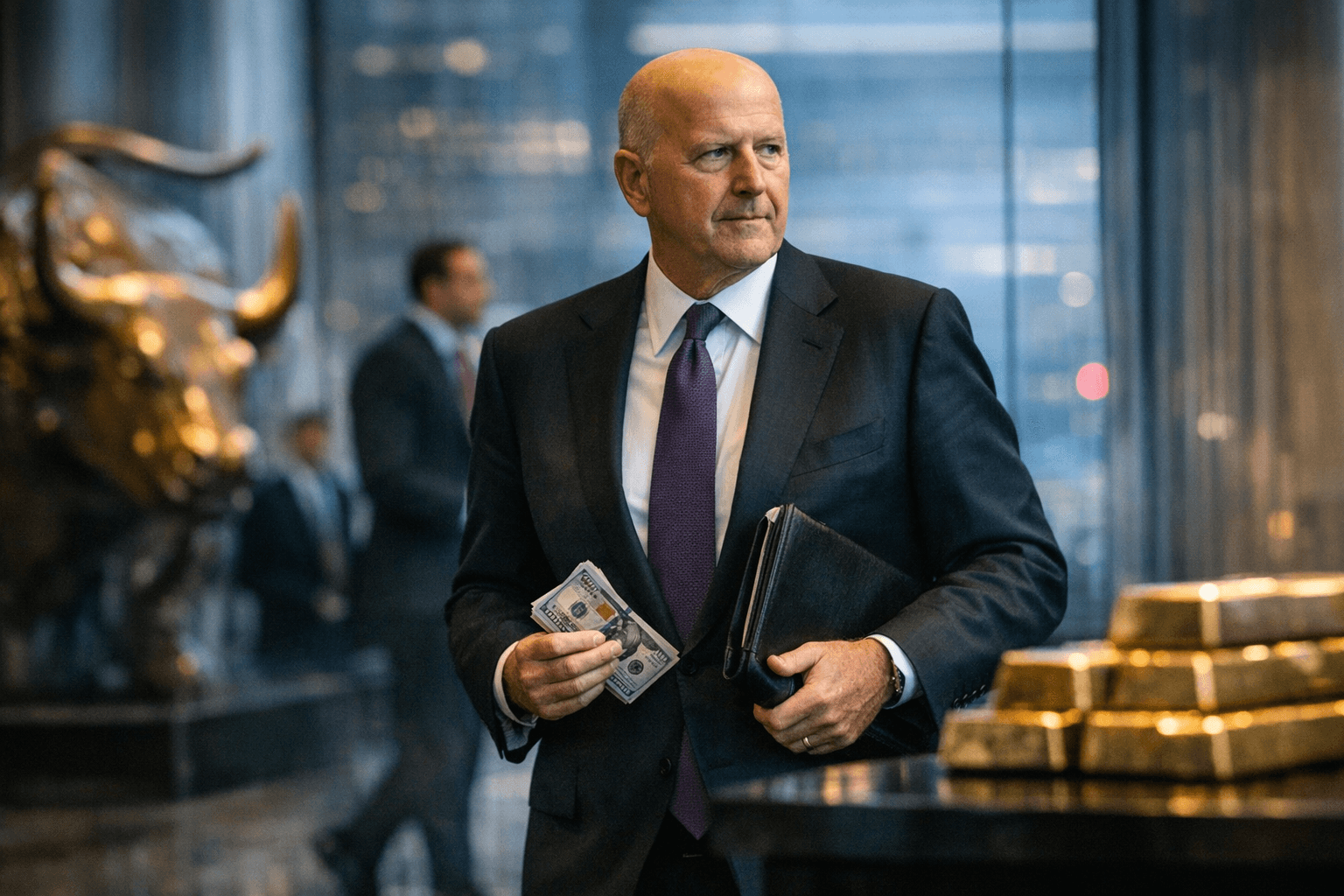
Goldman Sachs' board set David Solomon's total compensation for 2025 at $47 million, a roughly 21% increase from his 2024 package. The award includes a $2 million base salary with the remainder delivered in cash, stock and newly introduced carried-interest-style compensation tied to the firm's asset management business.
The boost comes after a year of materially higher investment-banking and markets revenue and significant appreciation in Goldman Sachs shares, the company said privately to directors when approving pay. Board decision makers framed the package as a mix of short-term performance pay and longer-term retention, adding carry-like incentives to align senior leaders with private-markets economics.
The introduction of carried-interest-style compensation marks a notable change for Goldman. Traditionally, senior pay at big banks has relied on cash bonuses and restricted stock; the new structure gives senior executives access to economics more commonly found in private equity and asset management. The board also pointed to earlier large retention awards for David Solomon and President John Waldron when weighing the new arrangement, indicating compensation is being used strategically to keep top leadership in place amid active dealmaking and a competitive hiring market.
For Goldman employees below the executive suite, the raise will be closely watched. The 21% increase for Solomon outpaced the firmwide pay rise granted to other employees, potentially widening perceived gaps between senior executives and the broader workforce. Junior bankers, traders and analysts who saw more modest increases may view the differential as a signal of how the firm priorities capital allocation between compensation pools and retention of leadership.
The move also touches governance and investor relations. Carried-interest-style awards shift some compensation from fixed pay toward longer-term, performance-linked payouts, which can help with retention but may draw scrutiny from shareholders focused on pay-for-performance clarity. The board's choice to blend cash, equity and carry aligns Solomon's incentives with future asset-management returns while preserving immediate recognition for 2025 performance.
Operationally, the change may influence internal dynamics. Managers in investment banking and markets may press for expanded access to alternative compensation vehicles, and human resources will face questions about how to harmonize incentives across divisions. Recruiters and competitors will factor the package into external offers as Goldman competes for senior talent in private markets and deal origination.
What comes next will include further detail in corporate filings and the annual compensation disclosures, where investors and employees will parse the mix of cash, stock and carry. For Goldman staff, the package underscores the firm's willingness to deploy creative pay tools for its leaders, a development that will shape conversations about equity, pay parity and long-term alignment across the firm.
Know something we missed? Have a correction or additional information?
Submit a Tip