Goldman economist warns Powell indictment threat heightens Fed independence concerns
Goldman Sachs' chief economist said threats to indict Jerome Powell raised concerns about Fed independence. He also pushed back projected Fed cuts to June and September 2026, affecting markets and firm strategy.

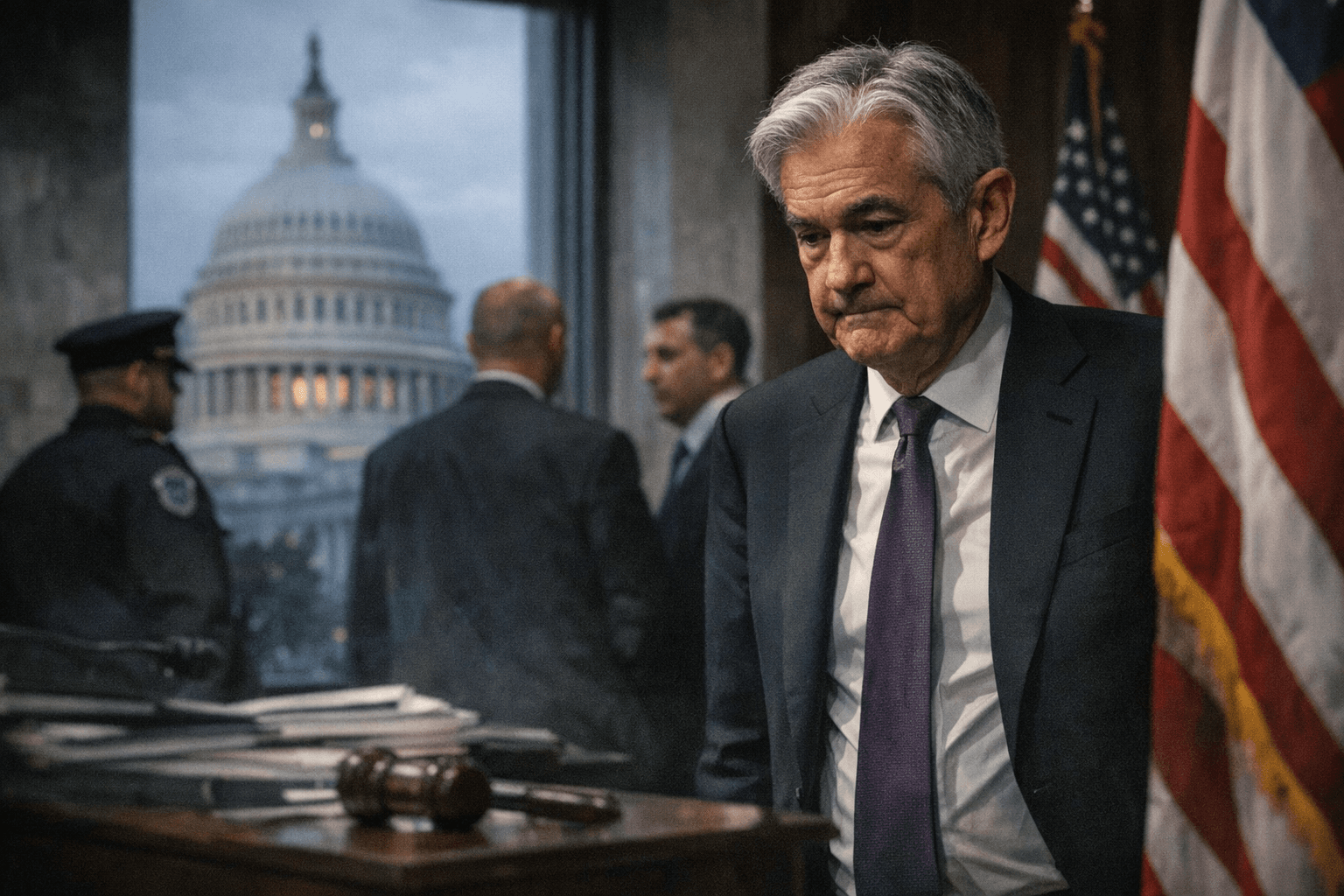
Jan Hatzius, chief economist at Goldman Sachs, said threats to indict Federal Reserve Chair Jerome Powell reinforced worries about the central bank's independence and that the firm had revised its forecast for the timing of interest-rate cuts. Speaking at Goldman Sachs' annual global strategy conference in London, Hatzius said the criminal investigation into Powell had "really...reinforced those concerns" and added he had "no doubt" Powell would make decisions based on the data during his remaining term.
The shift in tone came as Goldman moved the expected start of Fed easing to June and September 2026, with two 25-basis-point cuts penciled in, later than the firm had projected earlier. Hatzius said the delay reflects a mix of softer U.S. labor-market signals, stronger-than-expected GDP growth and fading tariff impacts, factors that together pushed back the window for policymakers to feel confident about cutting rates.
Political pressure on the Fed, including threats from the White House tied to Powell's testimony about a building renovation project that Powell called a 'pretext' by the administration to gain more influence over interest rates, adds a new layer of uncertainty for markets. For a firm whose trading, research and advisory businesses hinge on predictable policy paths, the risk that decisions become politicized can translate into heavier hedging, wider risk limits and more cautious positioning across desk operations.
The practical consequences for Goldman employees are immediate. Trading desks may face increased volatility and wider bid-ask spreads as market participants price in political risk alongside macro data. Rates and macro strategists will need to update models and client messaging to reflect pushed-out easing; investment bankers and M&A teams may reconsider timing for deals sensitive to financing costs. Risk management and compliance teams will likely intensify scenario planning for policy-driven market shocks and reputational questions should high-profile political moves alter the policy backdrop.
Hatzius also flagged other macro risks that bear on firm planning: potential tariff shifts tied to affordability concerns ahead of midterm elections and possible Supreme Court rulings that could affect tariff policy. Those developments would feed into cost forecasts, supply-chain assumptions and the kind of cross-asset analysis desks produce for clients.
The takeaway? Treat the policy outlook as more politicized and more uncertain than it appeared a year ago. Update models, tighten scenario planning and keep client communication direct about timing and implications of delayed rate cuts. Our two cents? Prepare for volatility and make contingency plans now so trading, deal teams and clients aren't scrambling when headlines move markets.
Sources:
Know something we missed? Have a correction or additional information?
Submit a Tip