Goldman Sachs episode spotlights board governance, AI oversight, employee policy implications
Goldman Sachs’ Talks at GS episode with Larry Cunningham spotlights AI oversight, activism and Delaware jurisdiction as board priorities, raising concrete questions for employee-facing policies.
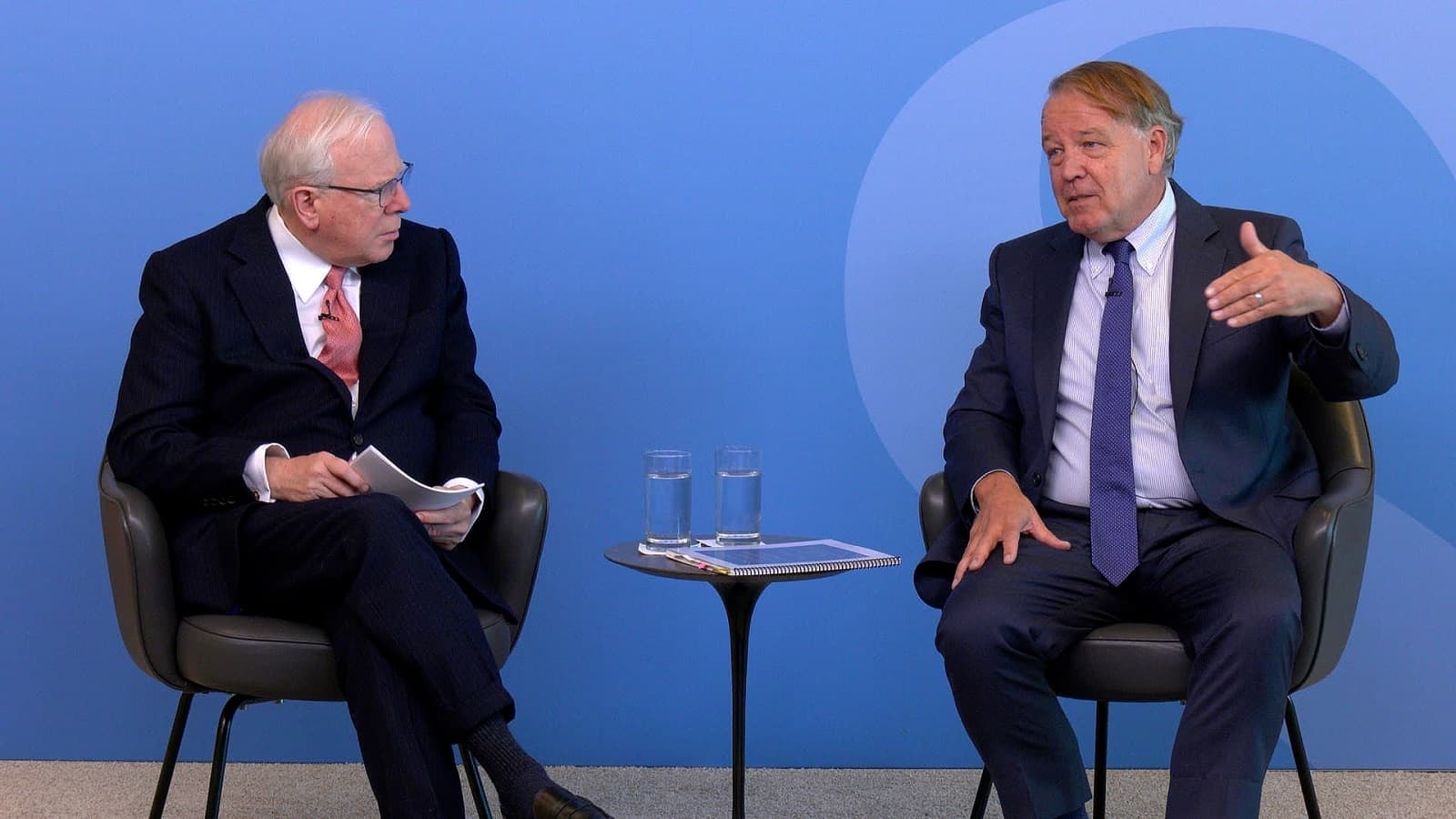
Goldman Sachs released a Talks at GS episode titled "Board Governance in 2026: AI Oversight, Activism, and Delaware’s Edge" on February 24, 2026, featuring Larry Cunningham, identified in the episode as Presiding Director of the John L. Weinberg Center for Corporate Governance. The program’s title alone signals who stands to gain and lose: boards that update oversight and jurisdictional strategy benefit now, while boards that treat AI as a narrow technical issue risk activist pressure and legal friction.
Law firms and corporate director forums amplified that message in mid-February. In Skadden’s The Informed Board segment, host Ann Beth Stebbins framed the problem bluntly: "Every board needs to confront what artificial intelligence (AI) means for their company’s business model and their ability to create shareholder value." Stebbins, identified as a partner in Skadden’s M&A practice, opened the conversation by asking "How are boards overseeing their companies’ use of AI, and how are boards using AI in their own oversight roles?" Sumaiya Balbale, who has served on the Shake Shack board since 2019 and was a guest on the episode, responded at 01:11 with "Thanks for having us," underscoring the corporate-director perspective in a legal-firm forum.
That director-level urgency showed up in other venues as a governance blind spot tied to geopolitics. A LinkedIn post tied to a Directors & Boards episode warned that "Technology operates as if borders don’t exist. Boards are still governing as if they do." The same post argued "Data sovereignty is power, not just compliance - the question is 'who has leverage over us?'" and warned that "AI has crossed a governance threshold. We are moving from AI that advises management to AI that can act, decide, and adapt on its own. That shift materially changes the board’s role." The LinkedIn entry referenced participating guests Bill Hayes, Cassandra Kelly and Cheemin Bo-Linn and included a Callibrity tag with 3,028 followers.
Practical enforcement and institutional design cropped up in international fora. IndiaAI posted a session titled "The Governance Gap: Designing Global Standards for AI Advisory Boards" on February 16, 2026, with 975 views and 17 likes on a channel showing 41,800 subscribers. During the Q&A a participant who identified herself as Vicasha said she had served on an ethics committee and pressed the panel on enforcement. Panelists cautioned that "regulatory models will have to be nimble" and that "standard departmental regulation... might take too long and then might end up on the wrong side because of the quality of technological understanding behind these regulations." The IndiaAI transcript also noted that an oversight board "was initially set up to deal with social media content" but "we've ended up dealing with a lot of AI content and AI inflected content."
The public record of these sessions creates immediate employee-policy work for in-house teams. Participants and hosts repeatedly argued for tiered controls and operational changes: the LinkedIn conversation listed "Why boards need tiered AI autonomy with escalating controls" and warned "Why the real risk is wrong actions at machine speed." Those prescriptions matter inside Goldman Sachs because board-level decisions about data sovereignty, agentic AI and escalation protocols map directly onto employee-facing rules for data handling, approved AI tools and incident response.
Taken together, the Talks at GS episode and parallel conversations at Skadden, Directors & Boards and IndiaAI make a clear prediction for 2026 governance work: directors and legal, compliance and HR teams must coordinate on jurisdictional strategy, tiered AI autonomy and enforceable policies. The dialogue that began on February 16 and culminated with Goldman’s February 24 episode signals a shift from conceptual oversight to operational mandates that will shape employee policies and legal posture going forward.
Know something we missed? Have a correction or additional information?
Submit a Tip