Goldman Sachs raises dividend as Q4 equities trading hits record highs
Goldman Sachs raised its quarterly dividend 12.5% to $4.50 and reported a record $4.31 billion in fourth-quarter equities trading revenue, signaling management confidence amid rising tech investment.
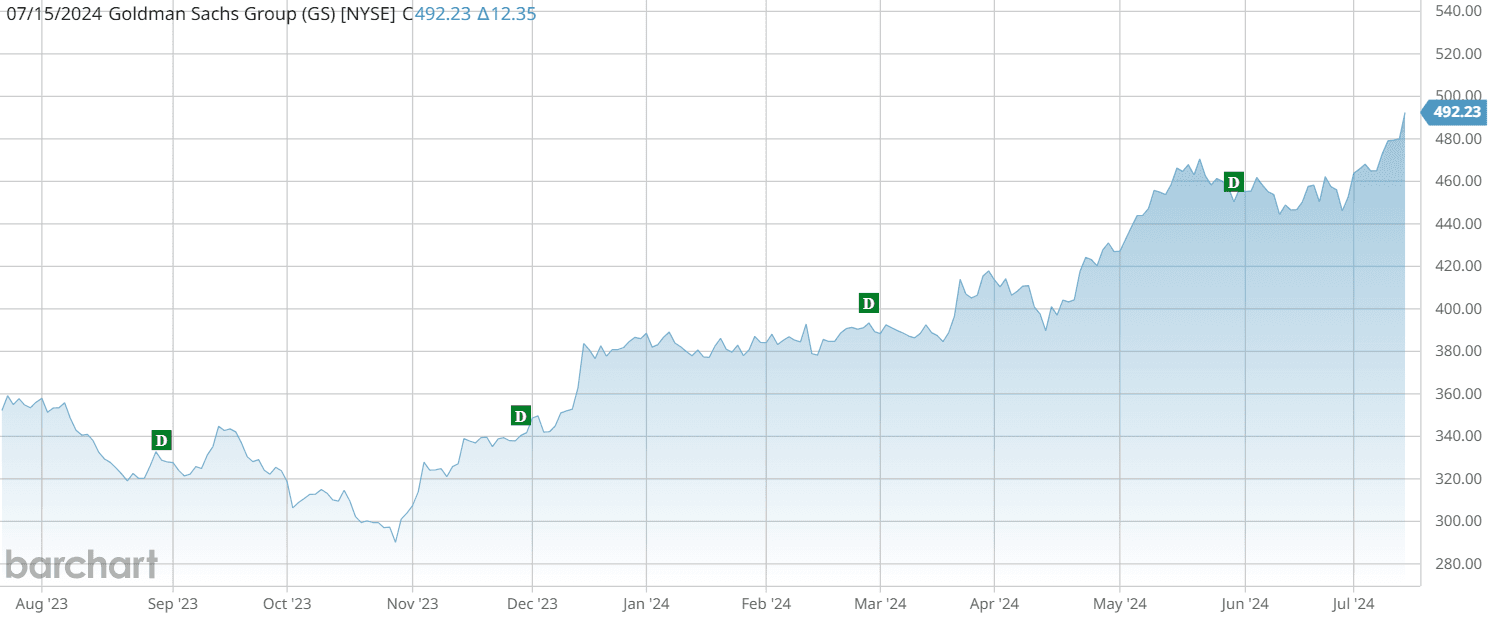
Goldman Sachs' board announced a 12.5% increase in the quarterly dividend to $4.50 per share in connection with the firm's January 15 earnings release, the clearest near-term financial signal of management's confidence in the durability of earnings. The dividend hike comes as the bank reported an all-time Wall Street high for equities trading revenue in the fourth quarter, with the business generating $4.31 billion.
The combination of a larger payout and market-leading trading results positions shareholders to benefit immediately, and it reshapes the internal narrative about the firm's financial priorities. For employees, the move sends mixed but concrete signals: strong trading performance can buoy front-office compensation expectations, while an elevated dividend suggests management is prioritizing returns alongside corporate investments.
Executives also flagged continued investment in artificial intelligence and higher operating expenses tied to technology and operations. Those commitments indicate the firm intends to deploy capital to upgrade its tech stack, expand data capabilities, and support automation projects that touch trading desks, risk and controls, and client-facing platforms. For technologists and operations staff, that spells opportunity for project work, shifting skill demands, and possible headcount allocations focused on AI, data, and platform engineering.
At the same time, higher operating expenses can tighten the levers that govern discretionary spending, including the bonus pool. Compensation committees typically weigh returns to shareholders against reinvestment needs when setting pools for variable pay. The dividend increase, while a positive signal, does not guarantee larger bonuses; instead it creates a backdrop in which profitability trends and expense trajectories will matter more to year-end compensation decisions.
Across the front office, the record equities result will be watched closely. Sales and trading teams often see more direct correlation between desk revenue and variable pay, so the $4.31 billion quarter should support positive expectations, even as investment spending moderates near-term cash flow. Middle- and back-office teams will be measured by how effectively they scale controls, implement AI tools, and keep costs in line as the firm grows its technology footprint.
The move also matters for recruiting and retention. A visible dividend lift reinforces market confidence in the firm and can help retain senior talent, while increased AI spending signals demand for technical hires. Employees should expect continued communications from management clarifying how the firm balances shareholder distributions, technology initiatives, and compensation frameworks.
What comes next is monitoring guidance as the year unfolds: subsequent quarterly updates and internal messaging will reveal whether this mix of payouts and investments translates into sustained revenue growth, meaningful changes in the bonus pool, or shifts in hiring and project priorities across the firm.
Sources:
Know something we missed? Have a correction or additional information?
Submit a Tip