Google Gemini Canvas builds app fast, then hits strange bug
Gemini Canvas can spin up a prototype in minutes, but one app build surfaced an alarming Android-style bug and a repair button right below it.
Gemini Canvas can turn a prompt into a working app in minutes, and that speed is exactly what makes its failures feel so strange. After a lengthy prompt, the screen showed a functional app in a preview window and the message, “Channel is unrecoverably broken and will be disposed!” A fix button sat right below it, underscoring the odd mix of polished promise and brittle execution.
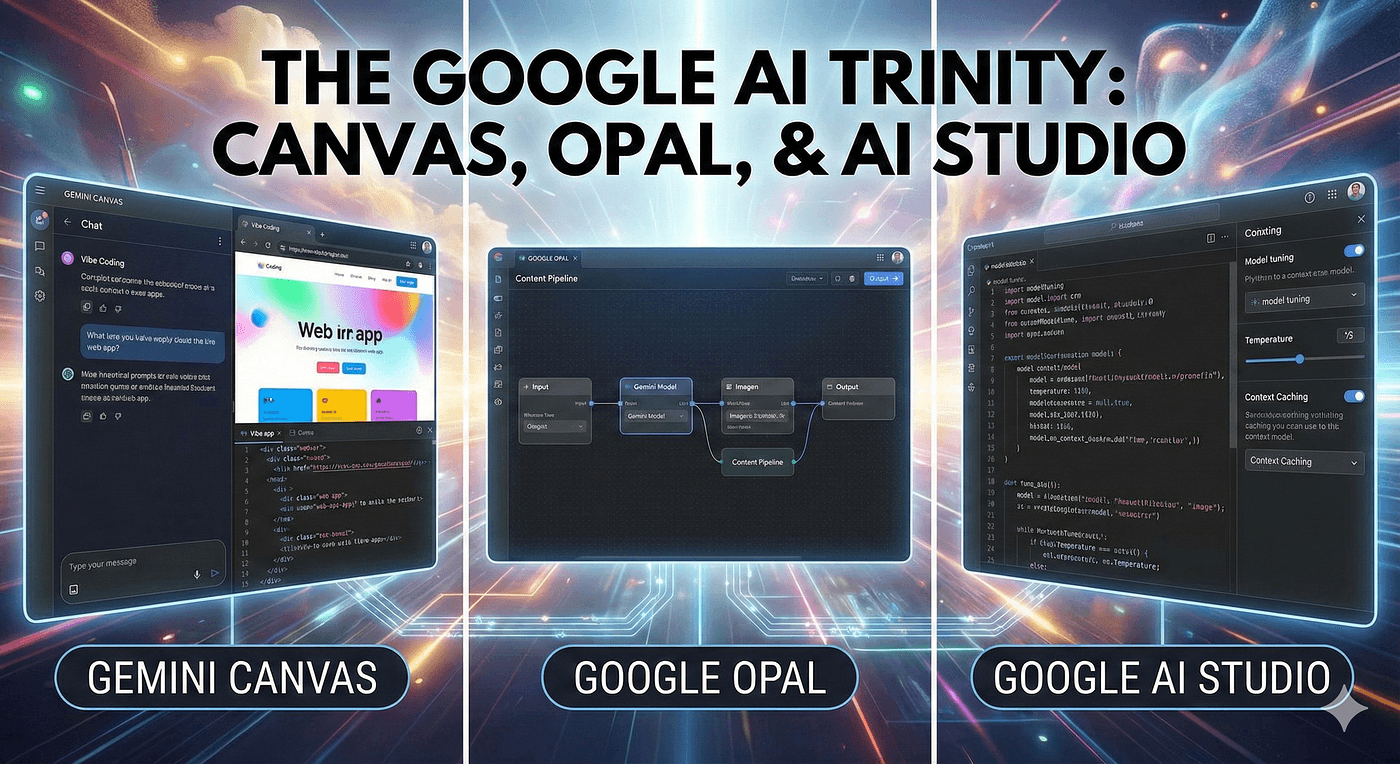
Google has framed Canvas as a place where people can bring ideas to life as apps, games, infographics and more. The company says the workflow can go from prompt to prototype in minutes, and its AI Studio documentation says people can build web apps and native Android apps through natural-language prompting. Google Workspace updates have said Canvas can now create and code apps from simple descriptions, putting app creation within reach of anyone able to describe what they want.

That promise has been meeting real-world friction. Users have reported missing preview buttons, broken preview tabs, and preview load failures in Gemini Canvas. One Google Help Community post said the Canvas preview could not load because the platform was experiencing an interruption. Other users have described workarounds such as clearing cache or opening the tool in Incognito, a reminder that even a simple prototype can depend on a stack of fragile browser and app behaviors.
The error message itself is not unique to Gemini. “Channel is unrecoverably broken and will be disposed!” is a known Android-style runtime error that has appeared in other development contexts, which helps explain why it reads like a crash even when the app still offers a repair path. In Canvas, that contradiction is the story: a tool can generate something usable fast, then stumble on the kind of technical snag that normally sends developers digging through logs.
For consumer AI, that tension matters. Canvas represents a broader shift toward vibe coding, where ordinary users can sketch out software without a traditional engineering team. But the same system that lowers the barrier to entry can also shift the burden of debugging onto people who never expected to troubleshoot runtime errors, preview interruptions or disappearing controls. The result is a useful prototype machine that still feels, in key moments, like a demo in search of sturdier footing.
This article was produced by Prism’s automated news system from verified source data, official records, and press releases, then run through automated quality and moderation checks before publishing. The system is built and supervised by the people who set the standards it runs under. Read our full AI policy.
Know something we missed? Have a correction or additional information?
Submit a Tip