Google in talks with SpaceX for Project Suncatcher satellite launches
Google is weighing SpaceX launches for Project Suncatcher, a plan to place TPU-equipped AI data centers in orbit and sidestep Earth-bound power limits.
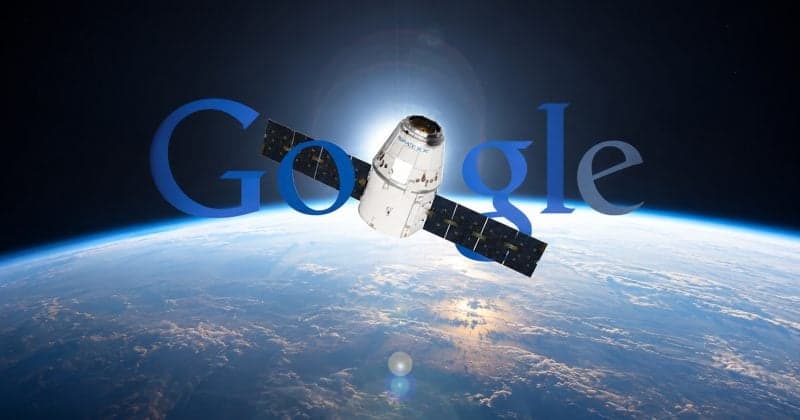
Why put data centers in orbit? Google is testing whether space can relieve the energy, cooling and land constraints that are already shaping the next phase of AI buildout on Earth, and it is now in talks with SpaceX about how to launch that hardware.
The company said it has discussed future launches tied to Project Suncatcher, its experimental effort to build a space-based artificial-intelligence cloud around solar-powered satellites equipped with Tensor Processing Units, the specialized chips Google uses for AI workloads. The idea is not a finished product. It is a research program aimed at finding out whether machine learning infrastructure can scale beyond terrestrial campuses that keep getting more expensive to power and cool.
Google first announced Project Suncatcher on November 4, 2025, calling it a research moonshot to scale machine learning in space. At the time, the company said its early work covered satellite constellation design, control and communication systems, and radiation testing for TPUs. Google also laid out a next step: a learning mission with Planet to launch two prototype satellites by early 2027 and test the hardware in orbit.
That timeline matters because it shows how far the project remains from commercial deployment. Even with talks involving SpaceX, the program is still in the research-and-development phase. Launch access is one of the biggest bottlenecks for any orbital infrastructure plan, and Google has already explored launch-provider deals that included Planet. SpaceX would bring enormous lift capability, but it would also put a high-profile corporate relationship under added scrutiny as the rocket company moves toward a widely anticipated public offering.
Project Suncatcher also sits beside Google’s other efforts to manage the rising cost of AI infrastructure on the ground. On December 10, 2024, the company announced a partnership with Intersect Power and TPG Rise Climate built around a “power first” model that co-locates data centers with new clean power generation. On March 19, 2026, Google said it had signed 1 gigawatt of data-center demand response with utility partners, another sign that it is trying to bend electricity use to fit the grid rather than simply adding more load.
The orbital concept fits into the same broader strategy. Google has been spending heavily on AI infrastructure, and its Cloud Next 2026 announcements highlighted new TPUs and larger investments in the company’s cloud business. For now, though, the space plan remains exactly what Google called it at the start: a moonshot, with the hardest engineering, regulatory and economic questions still ahead.
This article was produced by Prism’s automated news system from verified source data, official records, and press releases, then run through automated quality and moderation checks before publishing. The system is built and supervised by the people who set the standards it runs under. Read our full AI policy.
Did this article answer your question?