Google says it thwarted AI-powered hacking campaign targeting zero-day flaw
Google said it stopped a mass-exploitation bid built with AI, the first time its threat team saw a zero-day exploit it believes was AI-developed.
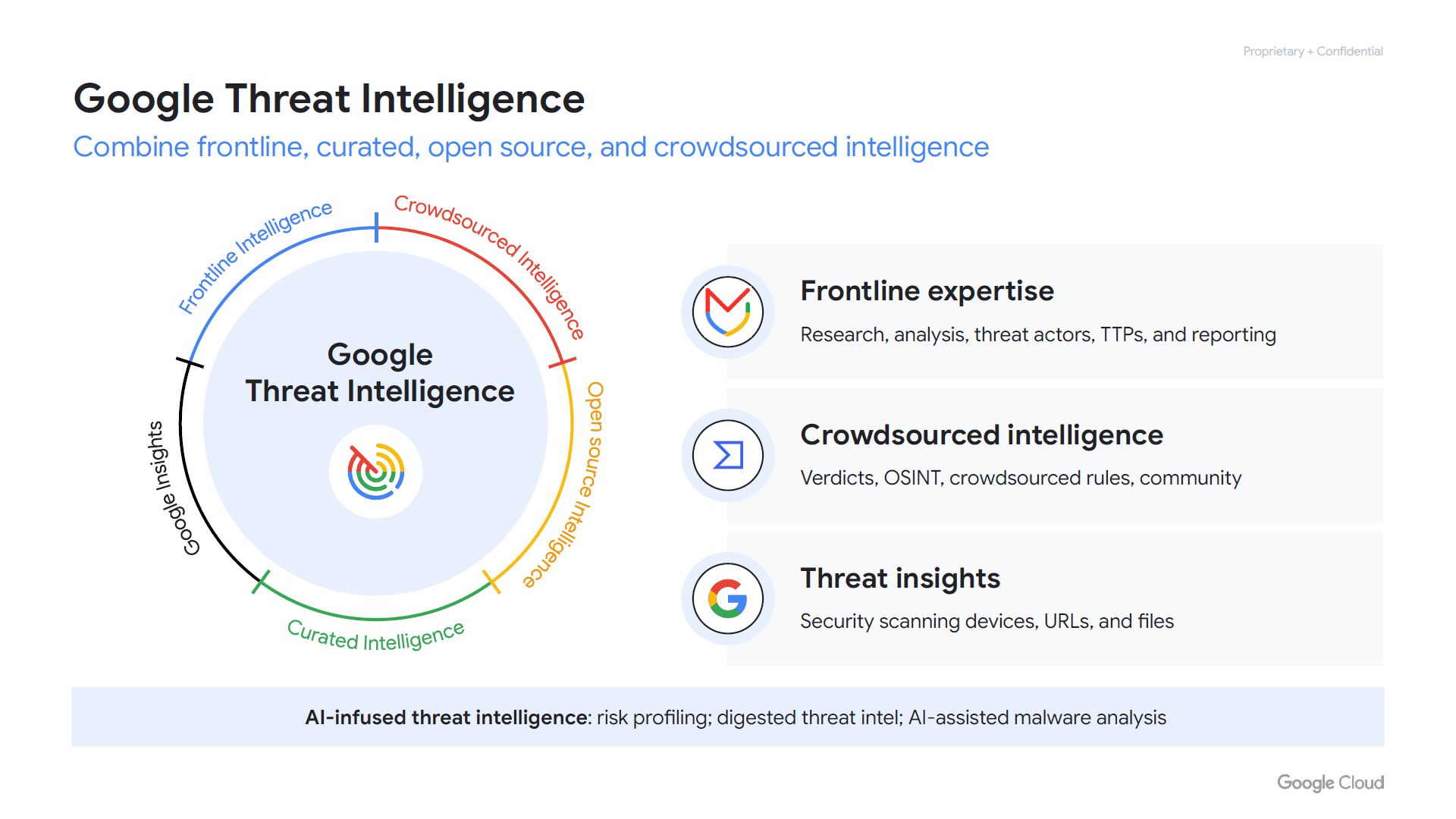
Google’s threat intelligence team said it likely stopped a hacking operation that used artificial intelligence to prepare a large-scale exploit before it could be deployed at scale. The company said the case was the first time Google Threat Intelligence Group had identified a threat actor using a zero-day exploit it believes was developed with AI, a warning sign that machine learning is moving from a defensive aid to a weapon in the hands of attackers.
The planned attack was described as a mass exploitation event aimed at a popular open-source, web-based system administration tool. Google said the flaw was a two-factor-authentication bypass and that the exploit appeared to have been implemented in Python. The attempt took place within the last couple of months, but Google did not give an exact date or name the product. The company said its proactive counter-discovery may have prevented the exploit from being used broadly, and it added that it does not believe Gemini was involved.

Google said the finding was based on Mandiant incident-response work, Gemini, and proactive research. It also said its own defenses against Gemini abuse include classifiers, in-model protections, and disabling malicious accounts. On the defensive side, Google has been using AI systems such as Big Sleep to detect vulnerabilities and CodeMender to help fix them, underscoring how quickly the same technology is being deployed on both sides of the cyber divide.
The broader threat picture is already moving in that direction. Google said adversaries are using AI for vulnerability discovery, AI-augmented defense evasion, autonomous malware operations, AI-assisted research, information operations, and obfuscated access to large language models. It said groups linked to the People’s Republic of China and North Korea have shown significant interest in AI for vulnerability discovery, while suspected Russia-linked activity has used AI-generated decoy logic in malware. That makes the latest case less like an isolated stunt than part of a widening cyber arms race.
The timing matters because the volume of zero-day activity remains high. Google said 90 zero-day vulnerabilities were exploited in the wild in 2025, up from 75 in 2024, and that 48% of those 2025 flaws targeted enterprise technologies. For governments, that raises the stakes around critical infrastructure and public-sector networks. For businesses, it means enterprise software and edge devices remain high-value targets. For ordinary users, it is a reminder that AI-driven threats are not hypothetical anymore, and that the gap between a newly discovered flaw and a mass attack can now be measured in days, not months.
This article was produced by Prism’s automated news system from verified source data, official records, and press releases, then run through automated quality and moderation checks before publishing. The system is built and supervised by the people who set the standards it runs under. Read our full AI policy.
Know something we missed? Have a correction or additional information?
Submit a Tip