Google seeks EPA approval for 64 million mosquito release in two states
Google wants EPA permission to release 64 million male mosquitoes in California and Florida, turning pest control into a test of public consent.
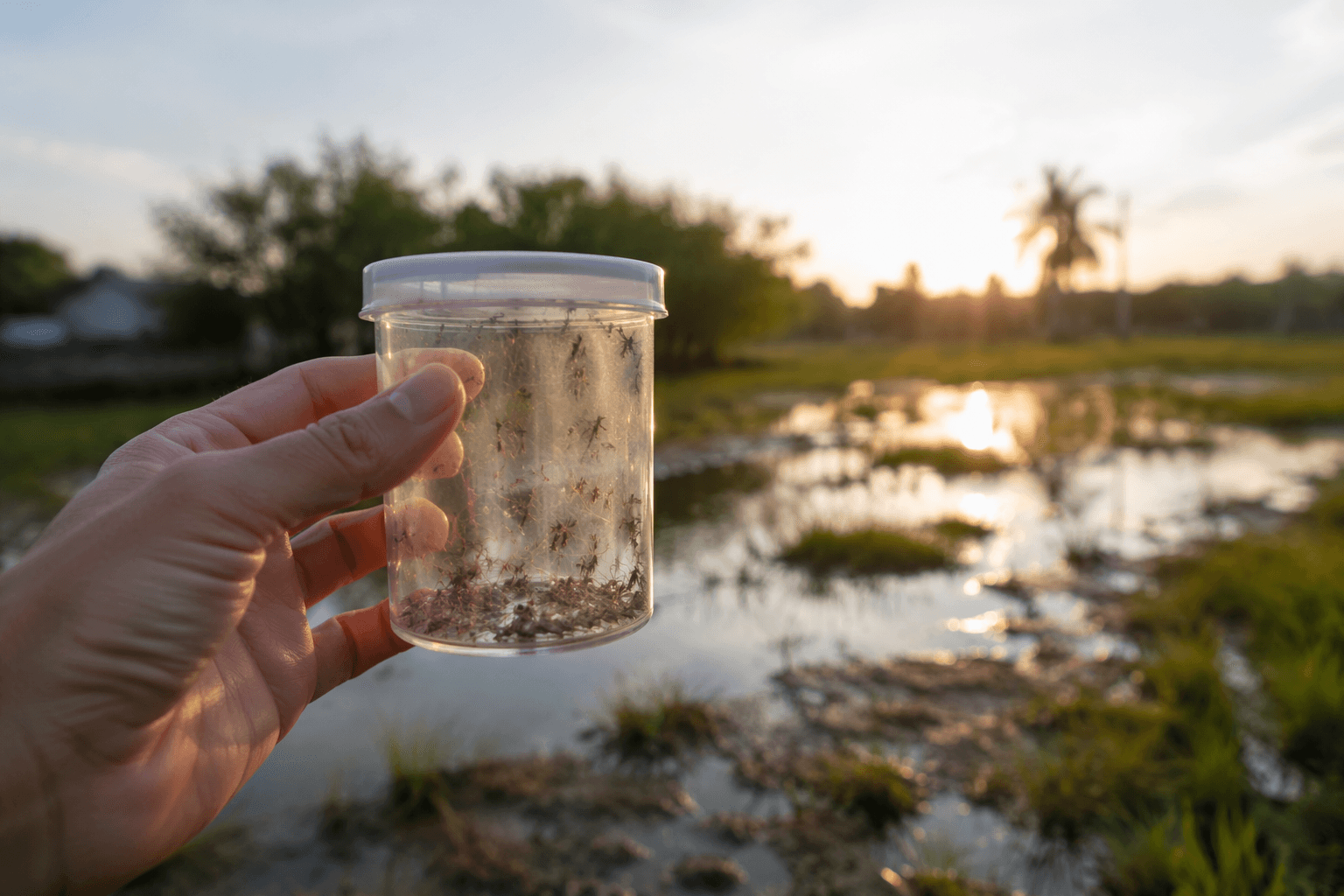
Google LLC is seeking federal approval to release up to 64 million specially bred male mosquitoes in California and Florida over two years, a proposal that puts biotechnology, disease control and public consent on the same turf. The Environmental Protection Agency said the application, experimental use permit 92643-EUP-R, may be of regional and national significance, and it opened a public comment process that ran through June 5, 2026.
The plan centers on live adult Culex quinquefasciatus male mosquitoes carrying Wolbachia pipientis wAlbB, a naturally occurring bacterium that does not harm the males but stops females they mate with from producing offspring. Because the males do not bite, the strategy is meant to suppress mosquito populations rather than spray them away, with the target species posing a known threat for West Nile virus and St. Louis encephalitis. Debug, the project arm tied to Google’s effort, says the process depends on artificial intelligence sex-sorting, larval rearing robotics and GPS-enabled automated release vans to produce and distribute millions of males at scale.
The pitch comes with a public health backdrop that is already real, not hypothetical. California says West Nile virus has caused more than 7,500 human cases and over 300 deaths in the state since 2003, and the state had already logged five human cases by April 24, 2026. The Centers for Disease Control and Prevention reported 13 West Nile virus disease cases nationally in 2026 across seven states as of June 2, and a positive West Nile sample was confirmed in Riverside County at the end of May, just as mosquito season was accelerating.

Supporters of Wolbachia-based control point to earlier results in Singapore and Fresno. Debug says it has supported Singapore’s Project Wolbachia since 2018 and opened its first end-to-end mosquito production facility there in 2022. By 2026, Debug said releases had reached more than 10 million male mosquitoes per week, with trials producing 80% to 90% suppression of Aedes aegypti populations and more than a 70% reduction in dengue incidents after 6 to 12 months. In Fresno, Debug says its program released 48 million sterile male mosquitoes from 2017 to 2019, and Fast Company reported a 95% decrease in biting female mosquito populations in 2018.
That track record is why regulators are treating the application as more than a routine pest-control filing. The question now is not only whether the science works, but who gets to approve a large-scale experiment involving living insects in populated states. EPA’s decision will shape whether public agencies gain a new tool against mosquito-borne disease, or whether the next stage of control technology has to win over residents before it can spread.
This article was produced by Prism’s automated news system from verified source data, official records, and press releases, then run through automated quality and moderation checks before publishing. The system is built and supervised by the people who set the standards it runs under. Read our full AI policy.
Did this article answer your question?