Google unveils $99.99 screenless Fitbit Air, first new tracker in four years
Google’s $99.99 Fitbit Air drops the screen and subscription barrier, signaling a push to reclaim budget wearable buyers with a simpler tracker.

Google is bringing Fitbit back to the low end of the wearable market with the Fitbit Air, a $99.99 screenless tracker that starts shipping on May 26 and is available to preorder now. The device is Google’s first new Fitbit release in four years, and the company is framing it as a lightweight, 24/7 health monitor rather than a mini smartphone on the wrist.
The pitch is straightforward: track the basics without paying extra. Google said the Fitbit Air can work with iPhone or Android phones and does not require a paid subscription for activity, sleep and core health tracking. Its sensors cover heart rate, steps, active zone minutes, distance, calories burned, SpO2, heart-rate variability, breathing rate, skin temperature variation, resting heart rate, sleep stages and automatic workout detection. Google says the battery can last up to a week, a claim that keeps the product in the all-day, low-maintenance category that defined the original Fitbit business.
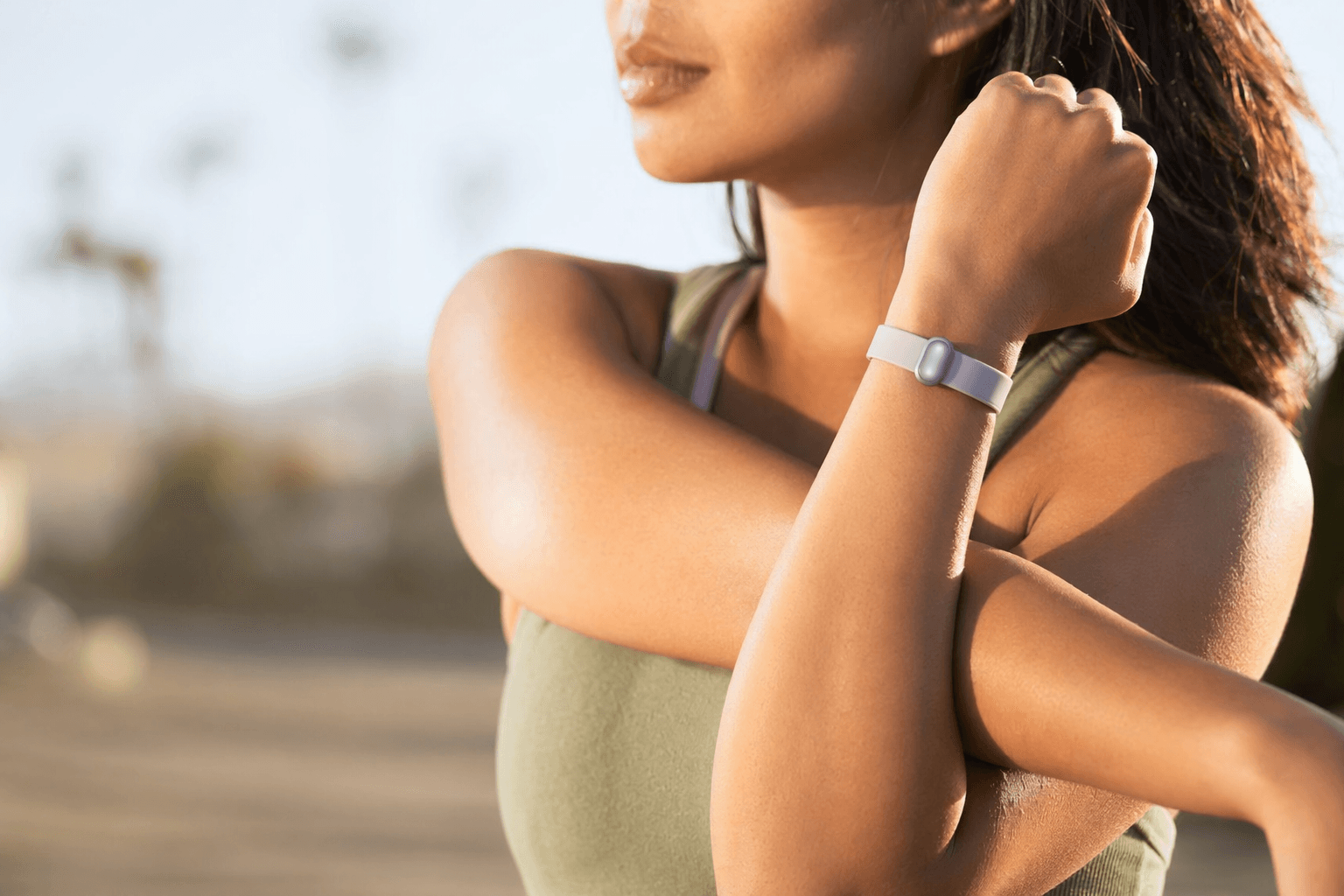
Google is also using the launch to push users into a new software stack. The Fitbit Air pairs with the Google Health app rather than the old Fitbit app, and Google is rebranding Fitbit Premium as Google Health Premium. Existing Fitbit users will be upgraded to the new app, while Google Fit users are scheduled to be migrated later in 2026. That transition matters as much as the hardware: after Google completed its acquisition of Fitbit in 2021, the company has spent years folding the brand into its broader health platform.
The company is softening the sale with bonuses. The Fitbit Air includes a three-month trial of Google Health Premium, and Google Store is offering $35 in store credit after orders ship so buyers can pick a band that matches their style. Best Buy is also running a preorder deal that adds a free silicone band, though customers cannot choose the color or size of that extra band.

The new tracker comes in multiple colorways and band styles, but Google is clearly leaning hardest on simplicity. By stripping away the screen, waiving a subscription for basic use and keeping compatibility broad across iPhone and Android, Google is signaling that it wants to win back buyers who want a wearable that disappears into daily life instead of competing for attention.
Know something we missed? Have a correction or additional information?
Submit a Tip