G.O.P. lawmakers move too late to curb Trump’s war powers
Republicans waited until Trump had already moved on Iran, then found their war-powers vote was too late to shape the conflict or demand an exit plan.
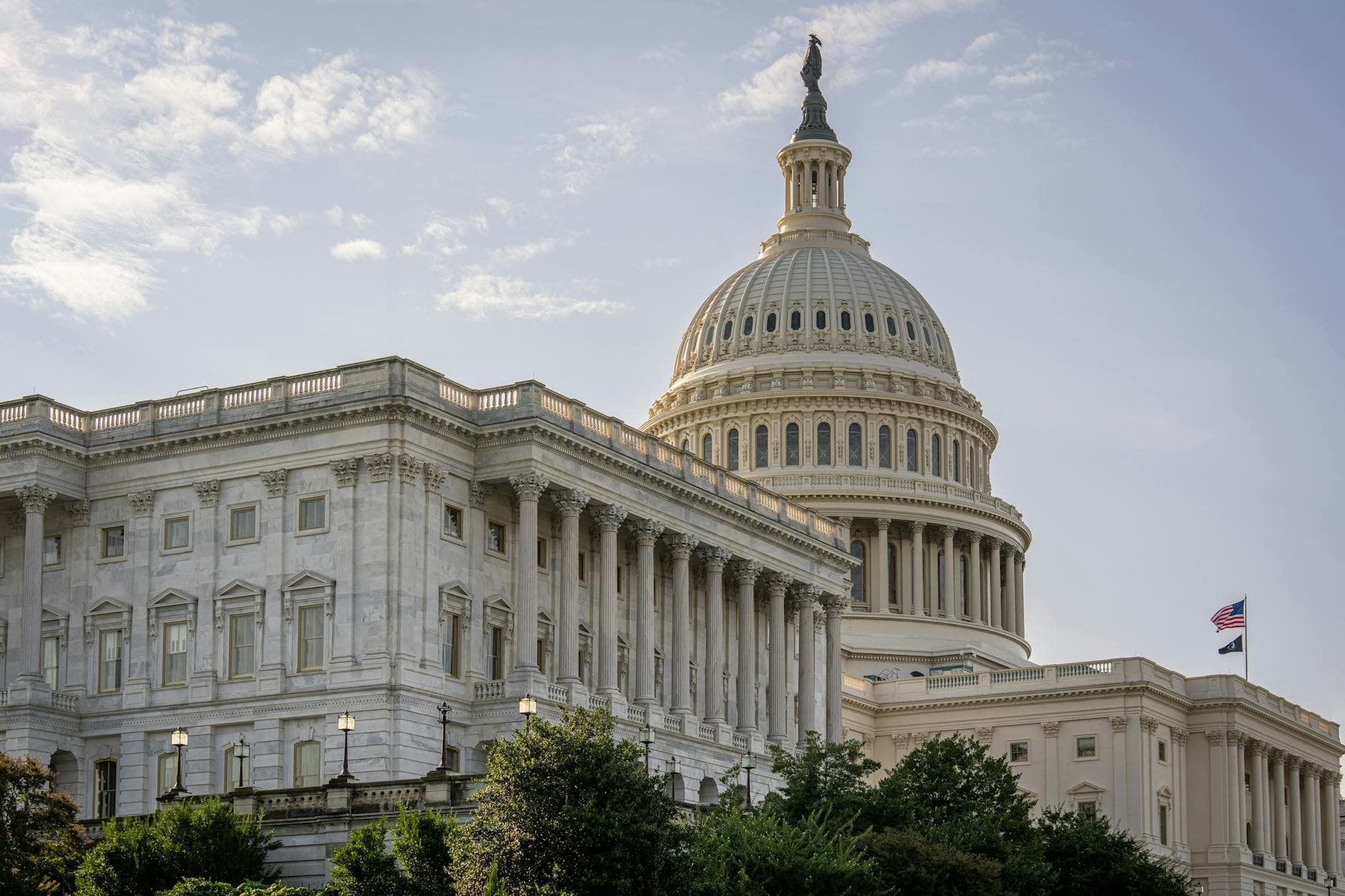
G.O.P. lawmakers had months to draw lines around Donald Trump’s power to escalate against Iran. Instead, they let the moment slip, and by the time Congress tried to intervene, the military action was already under way and the leverage had evaporated.
Tim Kaine introduced S. J. Res. 59 on June 16, 2025, directing the removal of U.S. forces from hostilities against Iran unless Congress authorized them. A day later, Thomas Massie and Ro Khanna filed H. Con. Res. 38 with the same basic aim. The House measure said Congress had not declared war on Iran and had not given specific statutory authorization. The Senate version argued the question should have been answered only after a full briefing, public debate and congressional vote.
Those checkpoints came after the fact. By June 22, House Speaker Mike Johnson and Senate Majority Leader John Thune had already been notified ahead of the military action, and the prospect of a binding limit looked remote because Republican leaders in both chambers were backing the strikes. The House resolution was sent to the Committee on Foreign Affairs, another sign that Congress was moving through procedure while the administration had already seized the initiative.
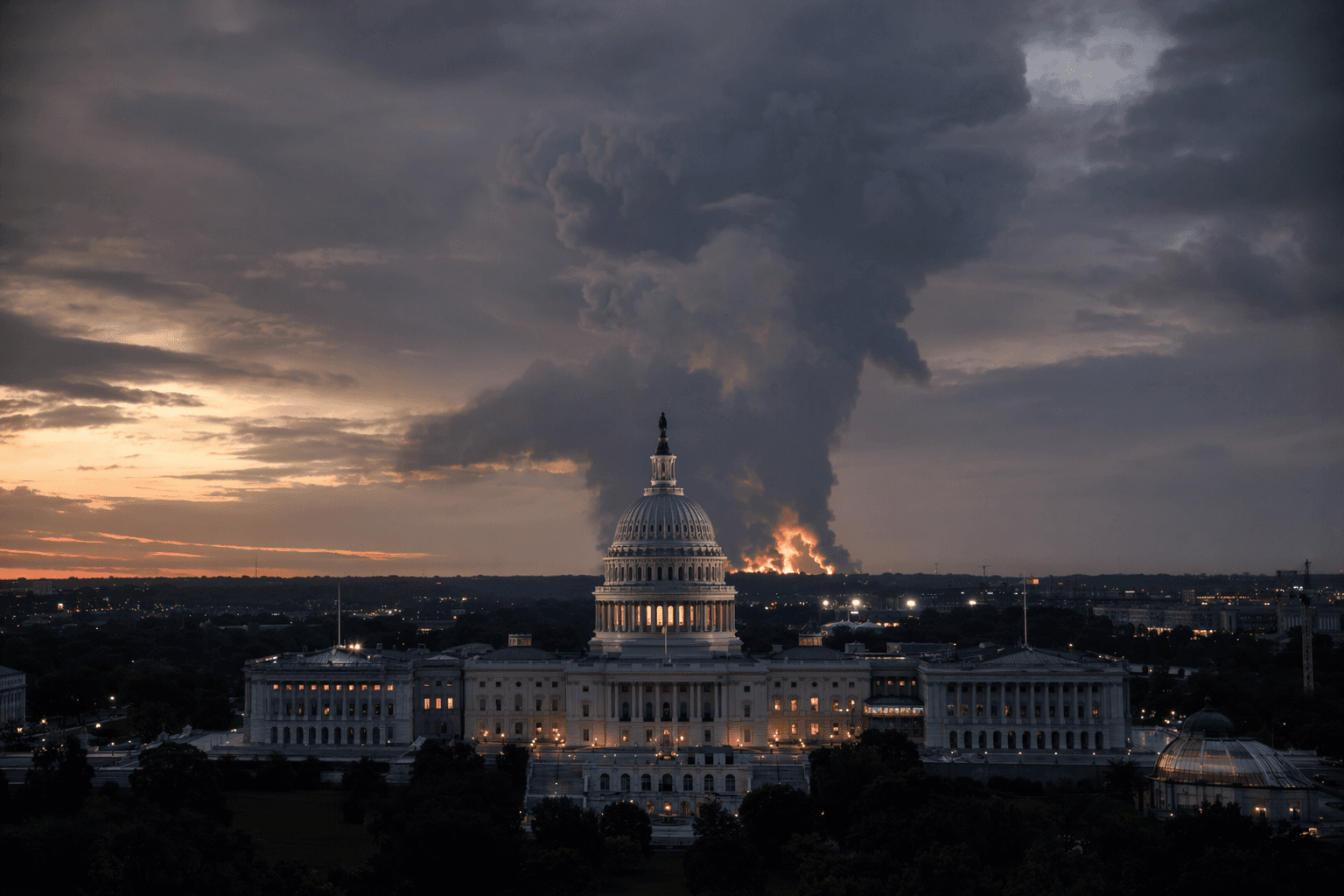
The Senate’s final vote on June 27 made the collapse of congressional control plain: Kaine’s measure failed 47-53. Rand Paul joined most Democrats in support, while John Fetterman sided with most Republicans against it. The split exposed how late the resistance had become. Senate Armed Services Chairman Roger Wicker praised the operation but warned of "very serious choices ahead." Senate Foreign Relations Chairman Jim Risch said, "This war is Israel’s war, not our war," and added that there would not be American boots on the ground in Iran.
Democrats argued that Trump had pushed the country into a constitutional trap. Hakeem Jeffries said the president failed to seek congressional authorization and risked American entanglement. Alexandria Ocasio-Cortez called the bombing a grave constitutional violation and said it was grounds for impeachment. Even as lawmakers argued over war powers, the real decision had already been made in the White House.
The broader pattern is older than this fight. The War Powers Resolution has long required consultation and reporting, but Congress has rarely enforced it when presidents move first. A Congressional Research Service update said U.S.-Iran diplomacy in April-June 2025 and again in February 2026 stalled over enrichment, then was followed or interrupted by military action. One reported U.S. plan demanded that Iran dismantle its nuclear facilities, end enrichment and surrender highly enriched uranium, while an Iranian proposal reportedly offered "acceptance of enrichment." Once Trump acted, Congress was left debating authorization without a credible way to force limits, parameters or an exit strategy.
This article was produced by Prism’s automated news system from verified source data, official records, and press releases, then run through automated quality and moderation checks before publishing. The system is built and supervised by the people who set the standards it runs under. Read our full AI policy.
Did this article answer your question?

