GOP urges Trump to seize California oil over national security fears
Republicans urge President Trump to use emergency authority to take control of idled California oil, citing Middle East tensions and risks to U.S. fuel supplies.
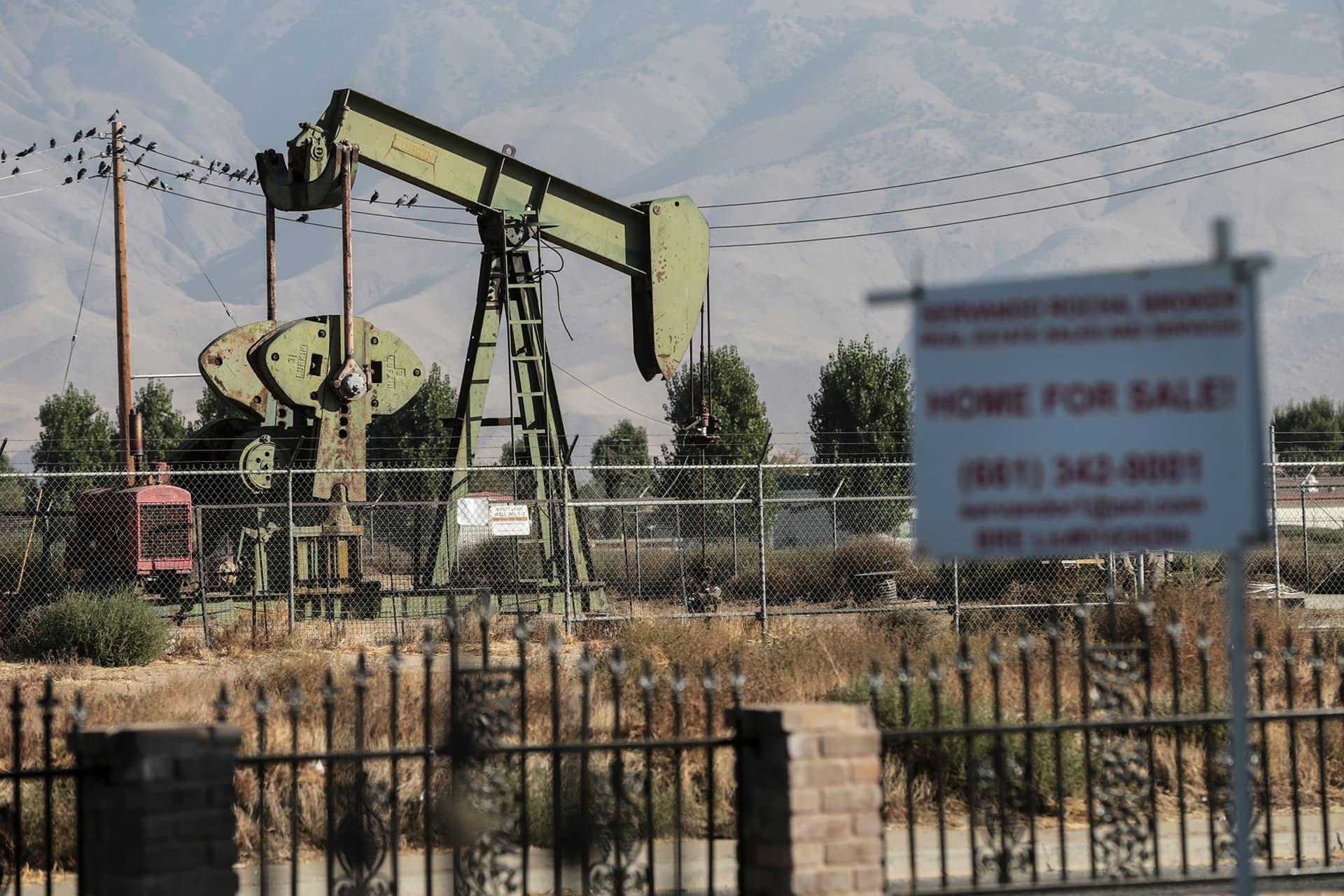
Republican officials pressed President Trump today to invoke presidential emergency powers to seize idled oil production in California, framing the move as an urgent response to supply vulnerabilities exposed by recent Middle East tensions. The request escalates a partisan campaign to shift federal authority over energy assets and puts state-federal relations, market stability, and constitutional limits at the center of the debate.
Lawmakers advocating for federal action argue that California’s idled wells and curtailed refining capacity create a bottleneck that threatens regional fuel availability and national resilience. They contend the president has statutory tools to act swiftly to ensure fuels flow to critical users, including the Department of Defense, major utilities, and transportation systems. Republicans are urging an executive order that would reallocate crude and refined products from inactive facilities into distribution channels viewed as vital to national security.
The proposal exposes sharp institutional tensions. California regulates oil extraction and refining on state and private lands through a complex mix of environmental permits and land-use approvals. A federal seizure would trigger immediate litigation challenging both the legal authority for such a takeover and the constitutionality of diverting privately owned resources. The Fifth Amendment Takings Clause requires just compensation for property taken for public use, and federalism doctrines protect significant state authorities over land and environmental regulation. Those legal obstacles mean any executive action would face rapid court challenges and likely congressional scrutiny.
Operational realities further complicate a seizure. Idled production is not equivalent to stockpiled fuel. Much of the state’s crude and refined output sits in private hands, in pipelines, or tied to contracts that involve out-of-state refineries and distributors. Forcing production or transfer can disrupt maintenance schedules, jeopardize worker safety, and create downstream bottlenecks at terminals and retail stations. Federal prioritization authority differs from direct ownership; statutory tools such as prioritization orders can steer supply to particular buyers, but converting that power into the physical movement of fuel across state-regulated infrastructure would require coordination with multiple agencies and private operators.
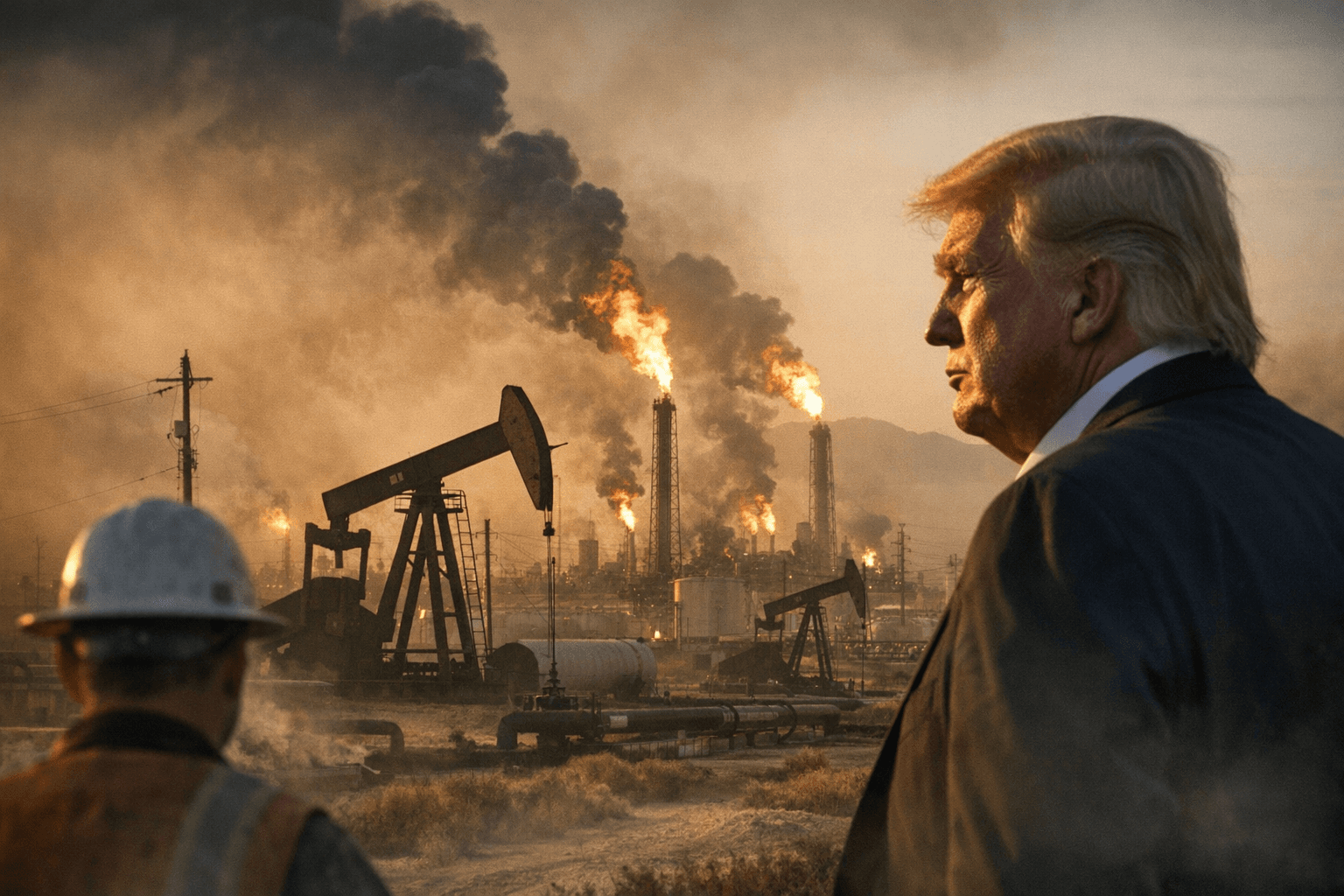
The political calculus is clear. Republican leaders are using the national security frame to rally supporters in energy-producing and swing states where gas prices and supply reliability are prominent voter concerns. A high-profile executive move could energize conservative voters who prioritize energy independence, while provoking intense opposition from California officials, environmental groups, and urban voters concerned about federal overreach and climate policies. The clash could shape turnout and messaging in competitive districts that weigh economic security against state autonomy and environmental regulation.
Beyond immediate political consequences, the episode underscores structural vulnerabilities in U.S. energy governance. The interplay between regional markets, state regulation, private ownership, and federal emergency powers creates a policy blind spot: no single institution currently controls the emergency routing of fuel from idle facilities to areas of need without recourse to contested legal authority. Fixing that gap would require congressional action to clarify statutory powers, establish compensation mechanisms, and define coordination frameworks between federal and state regulators.
Republican calls for seizure place the administration at a crossroads: pursue an aggressive emergency intervention with predictable legal and political resistance, or seek layered legislative and regulatory fixes that shore up supply without provoking a constitutional showdown. The decision will test the limits of presidential power and shape how resilient U.S. fuel systems are to international shocks.
This article was produced by Prism’s automated news system from verified source data, official records, and press releases, then run through automated quality and moderation checks before publishing. The system is built and supervised by the people who set the standards it runs under. Read our full AI policy.
Did this article answer your question?

