Government Backs Bird Reintroduction With £1m Funding Starting Next Year
Golden eagles could return to English skies as early as 2027, more than 150 years since they were wiped out, after the government approved £1m in new funding.
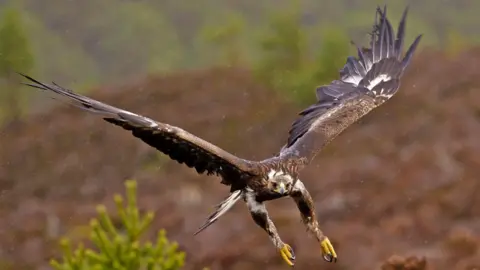
Golden eagles could soar over northern England for the first time in more than 150 years after Environment Secretary Emma Reynolds approved £1 million in government funding to drive a formal reintroduction programme, with juvenile birds potentially released as early as 2027.
The announcement marks a significant escalation in rewilding ambitions for England. The £1m sits within a broader £60 million species recovery package and is tied to legally binding government targets: halting the decline in species abundance by 2030 and reducing species extinction risk by 2042, measured against 2022 baselines. Whether golden eagles can genuinely re-establish in the English uplands will depend on how well the programme navigates the same pressures that erased them in the first place.
The birds were once widespread across England and are referenced more than 40 times in Shakespeare's works, but persecution by Victorian sheep farmers and gamekeepers, who viewed the apex predators as threats to lambs and game birds, drove them to near extinction. Twentieth-century pesticide use compounded the damage by impairing fertility. Only a handful of pairs have been recorded in England in the past 150 years, with the last individual dying in the Lake District in 2016.
The charity Restoring Upland Nature (RUN) will lead the project alongside Forestry England, modelling it on the south of Scotland programme, where golden eagle populations have since recovered to record levels. Any birds released would be juveniles aged six to eight weeks old at the point of release. Forestry England's feasibility study found Scottish birds could naturally extend their range across northern England within a decade, though establishing breeding pairs would take considerably longer.
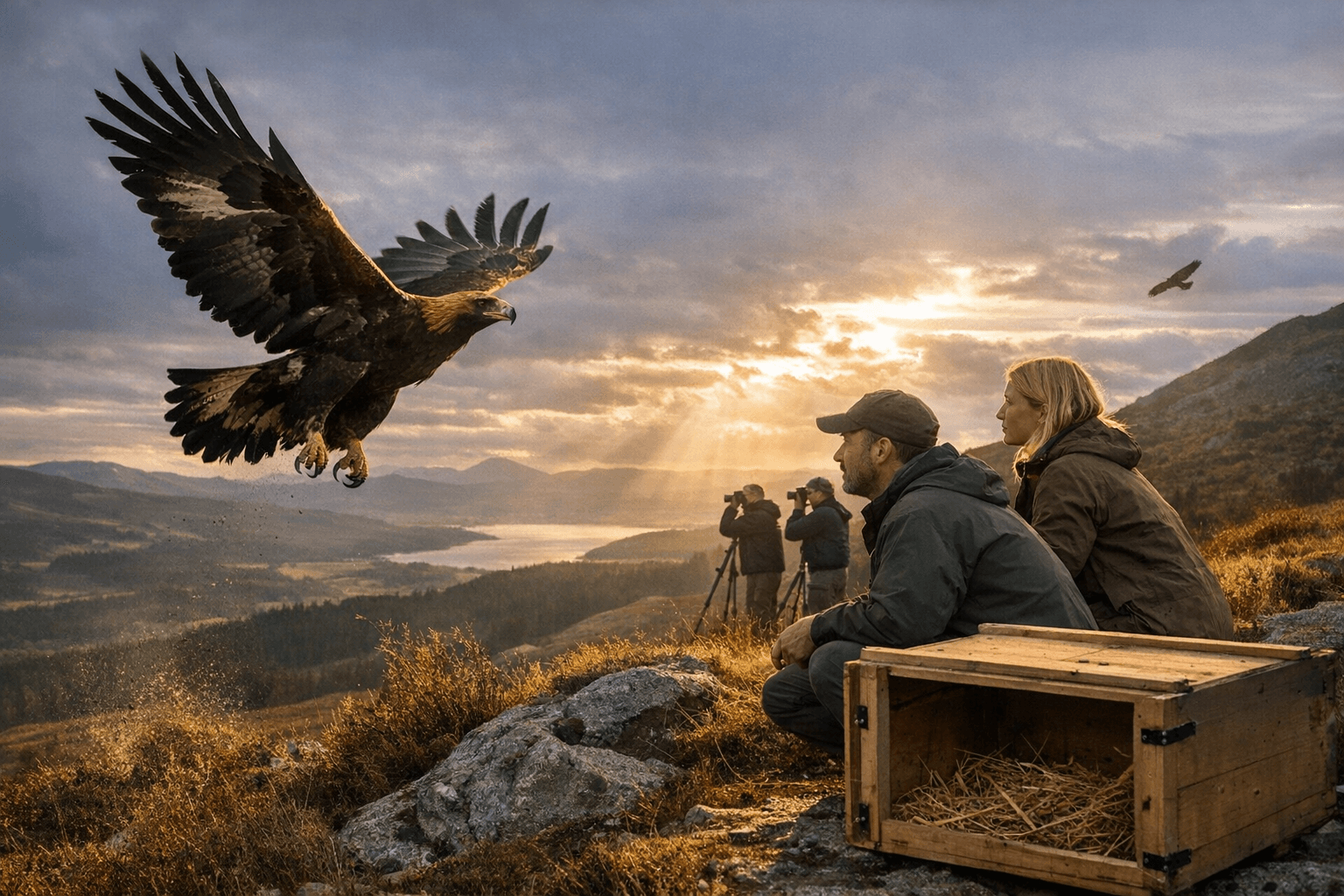
The money and leadership structure raise pointed accountability questions. Forestry England chief executive Mike Seddon said the feasibility study findings "will guide us with our partners, Restoring Upland Nature, to take the next steps," with the funding enabling community engagement alongside landowners and conservation organisations. RUN chief executive Cat Barlow framed community buy-in as the programme's first priority: "Our priority will be to listen, to work in partnership, and to ensure that golden eagle recovery supports both nature and the people who manage these landscapes."
That framing matters because the same farming communities that killed off golden eagles in the Victorian era still occupy much of the proposed habitat. Sheep and game remain commercially significant across the northern uplands, and without enforceable protections and genuine compensation frameworks for any livestock losses, farmer opposition could undermine any release effort regardless of how many juveniles are put into the field.
Reynolds framed the decision in sweeping terms, saying: "Backed by £1 million of government funding, we will work alongside partners and communities to make the golden eagle a feature of English landscapes once again." Whether one million pounds is enough to sustain a multi-decade reintroduction programme, and what measurable breeding benchmarks will determine success, are questions the project will need to answer publicly before the first bird leaves a nest.
Sources:
Know something we missed? Have a correction or additional information?
Submit a Tip