Government explores northern England bid for 2040s Olympics
UK Sport will test whether a northern Olympic bid can drive regeneration, with the government weighing cost, local benefit and the odds of success.
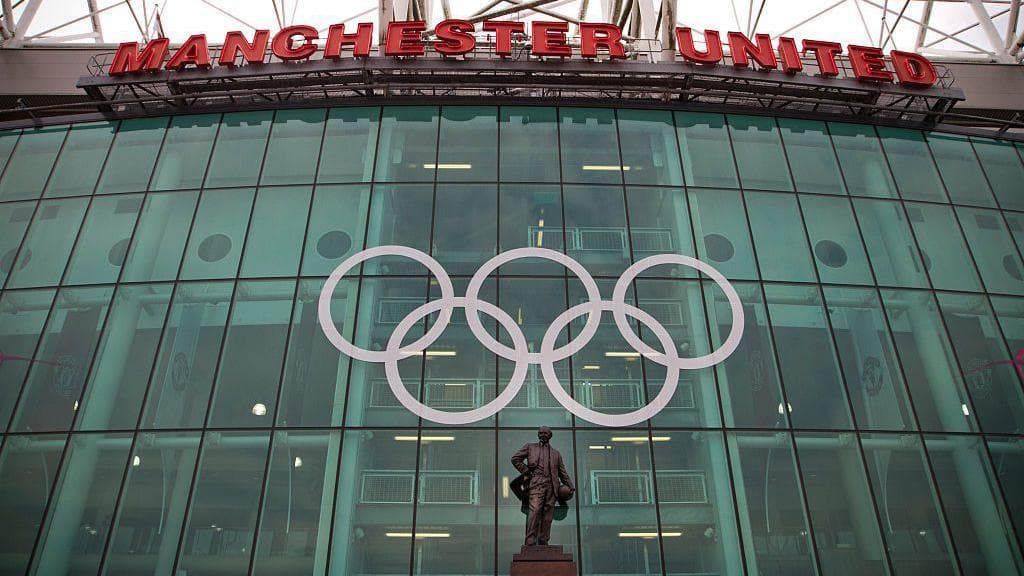
The government commissioned UK Sport to draw up an initial strategic assessment of whether the North of England could host the Olympic and Paralympic Games in the 2040s, a first step that will test cost, socioeconomic benefit and the likelihood of winning a bid. Ministers tied the idea to a broader push on regeneration, growth and “pride in place,” including a new Stadium Regeneration Accelerator intended to back priority projects such as stadiums that can support local regeneration and commercial growth.
Culture Secretary Lisa Nandy said London 2012 showed what the Games can do for the country and argued that the North had too often been told the Olympics were “too big” for it. “It’s time the Olympics came North,” she said. Chancellor Rachel Reeves linked the proposal to the Northern Growth Corridor and to regeneration projects such as Elland Road in Leeds, casting the bid as part of a wider economic plan rather than a standalone sporting ambition.

The case for a northern Games was already being built before the government moved. On 8 February 2026, the Great North, a collaboration of mayors and regional leaders, wrote to Nandy asking for a commitment in principle that any future UK Olympic and Paralympic bid should be based in the North. Steve Rotheram and other northern leaders argued that the region already had the ingredients for a world-class event: elite sporting venues, major stadia and arenas, transport hubs, accommodation capacity, and broadcast and creative capability. They said a northern Games could help rebalance the economy, accelerate regeneration and reset international perceptions of England.
That argument leans heavily on the way Olympic bidding has changed. The International Olympic Committee’s Olympic Agenda 2020 centered on credibility, sustainability and youth, while later reforms encouraged greater use of existing and temporary venues and more flexibility in host plans. Those shifts make a multi-city North of England bid more plausible than the old single-city model. They also give ministers a way to present the project as a regional development bet, not just a sports dream.
The history still raises hard questions. Sky Sports noted that London has hosted the Olympics three times, in 1908, 1948 and 2012, while no other UK city has staged them, and Manchester failed bids for 1996 and 2000. Manchester’s later 2002 Commonwealth Games became a turning point for urban renewal, while the London Legacy Development Corporation was set up after 2012 to regenerate the Olympic Park in east London. The unanswered questions now are the ones that matter most: whether the bid would be centred on one city or spread across several, how much public money would be required, which venues would carry the load, and whether the final play is for 2040 or 2044. For now, the government has only opened the assessment stage.
This article was produced by Prism’s automated news system from verified source data, official records, and press releases, then run through automated quality and moderation checks before publishing. The system is built and supervised by the people who set the standards it runs under. Read our full AI policy.
Did this article answer your question?