Graham banks on Trump alliance in crowded South Carolina primary
Lindsey Graham spent years clashing with Donald Trump, then built his reelection case around him. South Carolina’s primary will test whether GOP voters now prize loyalty over consistency.
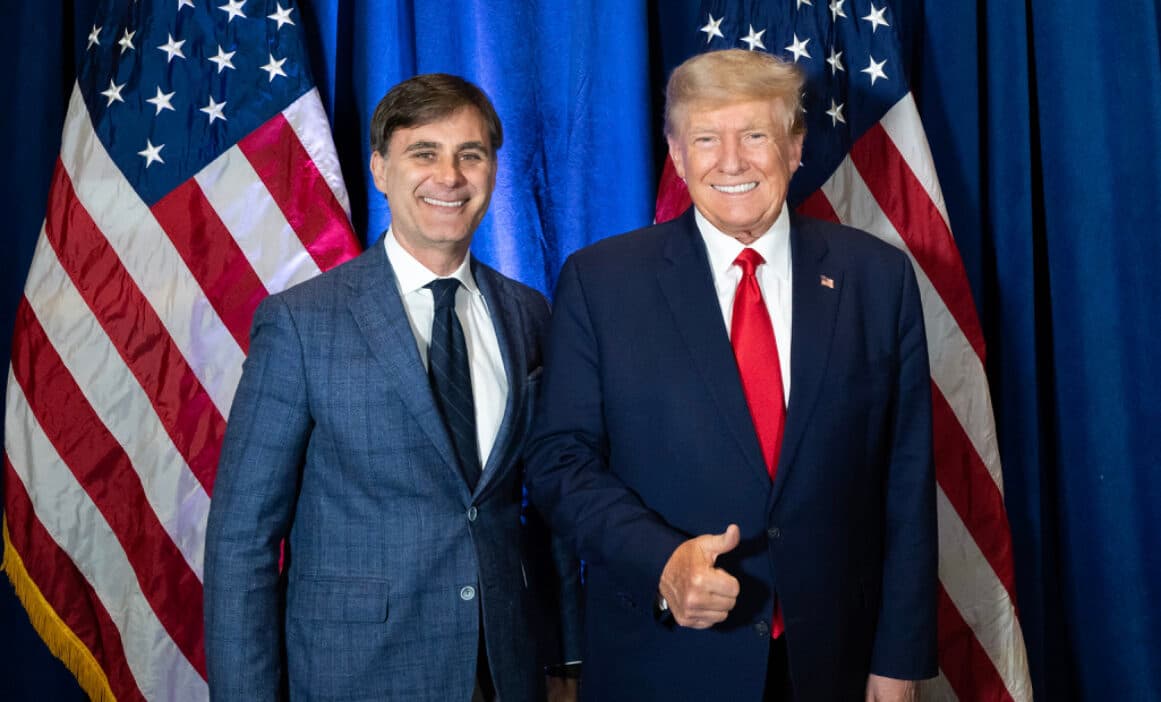
Lindsey Graham is asking South Carolina Republicans to reward a relationship that once looked impossible. The four-term senator, first elected to the U.S. Senate in 2002, enters the June 9 primary with Donald Trump’s backing, even after Trump branded Graham a “nut job” and a “disgrace” in South Carolina in 2016.
That reversal captures how sharply Trump changed the incentives inside the Republican Party. Graham criticized Trump’s fitness and temperament in February 2016, then softened his tone later that year as Republicans moved to unify behind Trump. The senator’s posture kept shifting with the political weather, and by 2018 he was still willing to break with Trump on matters involving then-Attorney General Jeff Sessions, saying their relationship was “beyond repair.” Four years later, Graham had become one of Trump’s closest allies.

That alignment now sits at the center of a crowded race. The Associated Press says Graham faces multiple Republican and Democratic challengers in South Carolina, a state that remains reliably Republican but still requires Graham to prove that his long partnership with Trump is an asset rather than a liability. Trump has again given Graham a “complete and total endorsement,” and Graham said Trump agreed to join a last-minute tele-rally on Monday evening before Tuesday’s vote.
The contest is not only about one incumbent’s survival. It is also a measure of how completely Trump has remade the calculations for senior Republicans who once kept their distance. Graham, who has often balanced criticism and defense depending on the issue, now is running on the same political bond that once defined the attacks against him. That makes the primary a referendum on whether South Carolina voters still value ideological consistency or now reward visible loyalty to Trump above almost everything else.
If no candidate wins a majority in the Republican primary, South Carolina would hold a runoff on June 23. Graham’s path is clearer than it was in 2016, when Trump ridiculed him publicly, but the race still tests whether a senator can survive in the modern GOP by turning a former rupture into a governing advantage.
This article was produced by Prism’s automated news system from verified source data, official records, and press releases, then run through automated quality and moderation checks before publishing. The system is built and supervised by the people who set the standards it runs under. Read our full AI policy.
Did this article answer your question?

