Grammy winner Chappell Roan severs ties with Wasserman amid Epstein file fallout
Chappell Roan left Wasserman after newly released DOJ files linked CEO Casey Wasserman to Ghislaine Maxwell; the move escalates artist-led pressure on the agency.
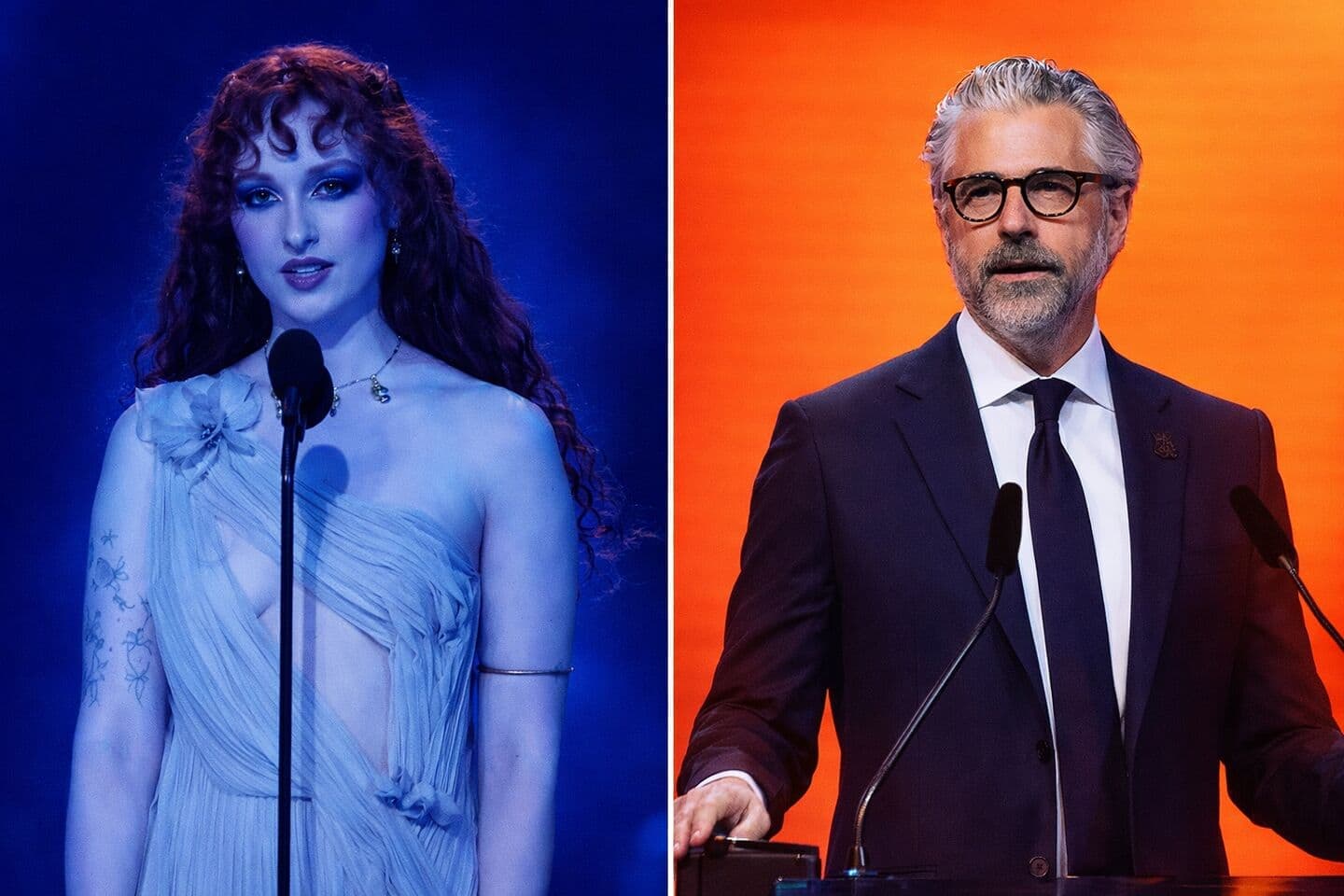
Chappell Roan, the Grammy-winning pop and alt-country artist known for "Pink Pony Club" and "Good Luck, Babe!," announced she is no longer represented by Wasserman after newly surfaced Department of Justice documents showed email exchanges between the agency's founder and Ghislaine Maxwell. USA TODAY reported Roan’s Instagram story on Feb. 9, while other outlets recorded her announcement as Feb. 10; CNN also summarized her Instagram message as saying, "As of today, I am no longer represented by Wasserman, the talent agency led by Casey Wasserman."
The disclosures come after what Page Six described as a Jan. 30 release of more than three million Epstein-related files by the Justice Department. Page Six, citing the BBC, reproduced two 2003 email lines between Wasserman and Maxwell, in which Wasserman wrote, "I think of you all the time… So what do I have to do to see you in a tight leather outfit?" and Maxwell offered a massage that could "drive a man wild." The emails are limited in scope, and multiple outlets stressed that Casey Wasserman has not been accused of wrongdoing in connection with Jeffrey Epstein.
Roan framed her departure as a matter of values and artist safety. The New York Times reported she wrote on Instagram, "I hold my teams to the highest standards and have a duty to protect them as well. No artist, agent or employee should ever be expected to defend or overlook actions that conflict so deeply with our own moral values." Page Six and USA TODAY reported she added that "artists deserve representation that aligns with their values and supports their safety and dignity" and that "meaningful change in our industry requires accountability and leadership that earns trust."
Roan's exit intensified a wave of public departures and demands from artists represented by the agency. AP reported the band Wednesday said on Instagram, "Given the circumstances we feel strongly that we need to begin the process of extracting ourselves from Wasserman," adding that remaining with a company led and named after Casey Wasserman "goes against our values and cannot continue." Beach Bunny demanded that Wasserman "remove himself and his name from the agency, 'deep regrets' are not enough," and the indie duo Water from Your Eyes said they had "no interest in being affiliated with Casey Wasserman" and would not "condone his actions by silently remaining under his namesake banner." CNN and AP also listed Sylvan Esso among artists leaving.

The episode poses immediate business and reputational risks for Wasserman, a major agency that represents top music and sports talent and that Page Six said has removed its client roster from its website amid the controversy. USA TODAY and Page Six noted the agency counts high-profile clients across entertainment and sports. Wasserman, who has led the firm since the early 2000s and serves as chair of the coordinating committee for the 2028 Los Angeles Olympics, reportedly apologized to the New York Times, according to Page Six; AP said Wasserman's representatives did not immediately respond to AP's request for comment.
Beyond roster shifts, the fallout underscores broader trends in the music industry: artists are increasingly willing to leverage public pressure to enforce ethical standards, and agencies face new scrutiny over leadership, governance, and brand risk. The incident also reverberates in civic arenas, with Wasserman's role in the 2028 Olympics drawing questions about accountability where business, culture, and large-scale public events intersect.
Several key details remain to be clarified, including the full context of the DOJ documents and the scope of any internal review at Wasserman. Media outlets said they have reached out to the agency and to artists for comment. As performers, managers, and corporate clients reassess relationships, the episode highlights how quickly reputational issues can reshape power dynamics across music, sports, and the broader cultural economy.
This article was produced by Prism’s automated news system from verified source data, official records, and press releases, then run through automated quality and moderation checks before publishing. The system is built and supervised by the people who set the standards it runs under. Read our full AI policy.
Did this article answer your question?