Grand National winner Noble Yeats dies aged 11 after colic bout
Noble Yeats, the 50-1 Grand National shock, has died at 11 after colic, closing a career that delivered Sam Waley-Cohen’s final, unforgettable ride.
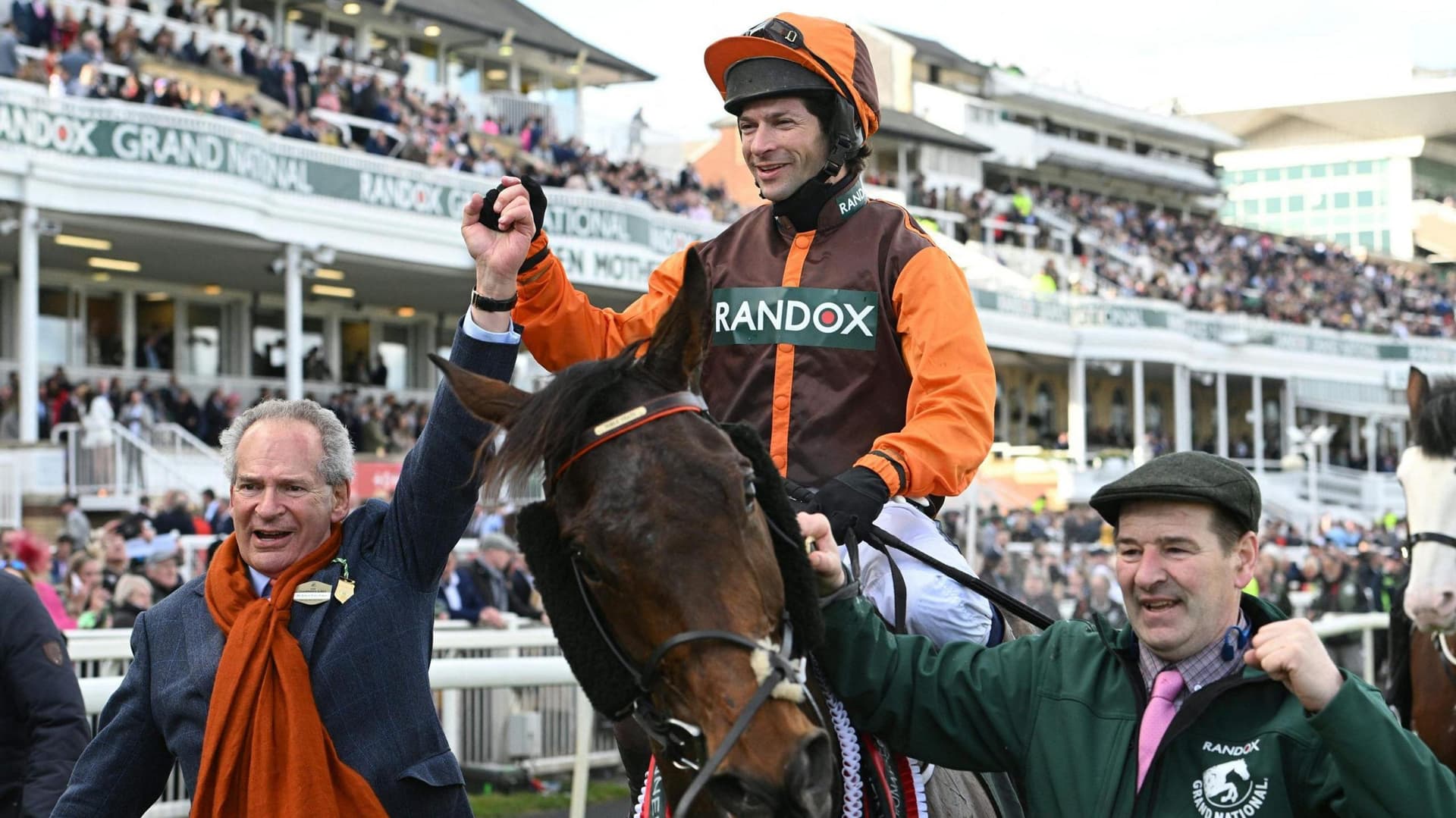
Noble Yeats, the 50-1 outsider who stunned Aintree with one of the Grand National’s most memorable modern upsets, has died aged 11 after a bout of colic. His death came just after the fourth anniversary of the victory that made him a rare crossover name beyond racing circles, thanks to a finish that combined shock, sentiment and history.
He won the 2022 Randox Grand National on April 9 at Aintree Racecourse in Liverpool, carrying the silks of Robert Waley-Cohen and ridden by amateur jockey Sam Waley-Cohen in the final ride of his career. Noble Yeats beat the 15-2 favourite Any Second Now by two and a quarter lengths, with Delta Work third and Santini fourth. It was a result that turned a once-in-a-generation race into a family story as much as a sporting one.
The victory carried several pieces of history. Waley-Cohen became the first amateur to win the Grand National since Marcus Armytage on Mr Frisk in 1990, while Noble Yeats became the first seven-year-old to win the race since Bogskar in 1940. In a race built on unpredictability, those details helped fix the horse’s name in the wider public memory, far beyond the usual audience for jumps racing.
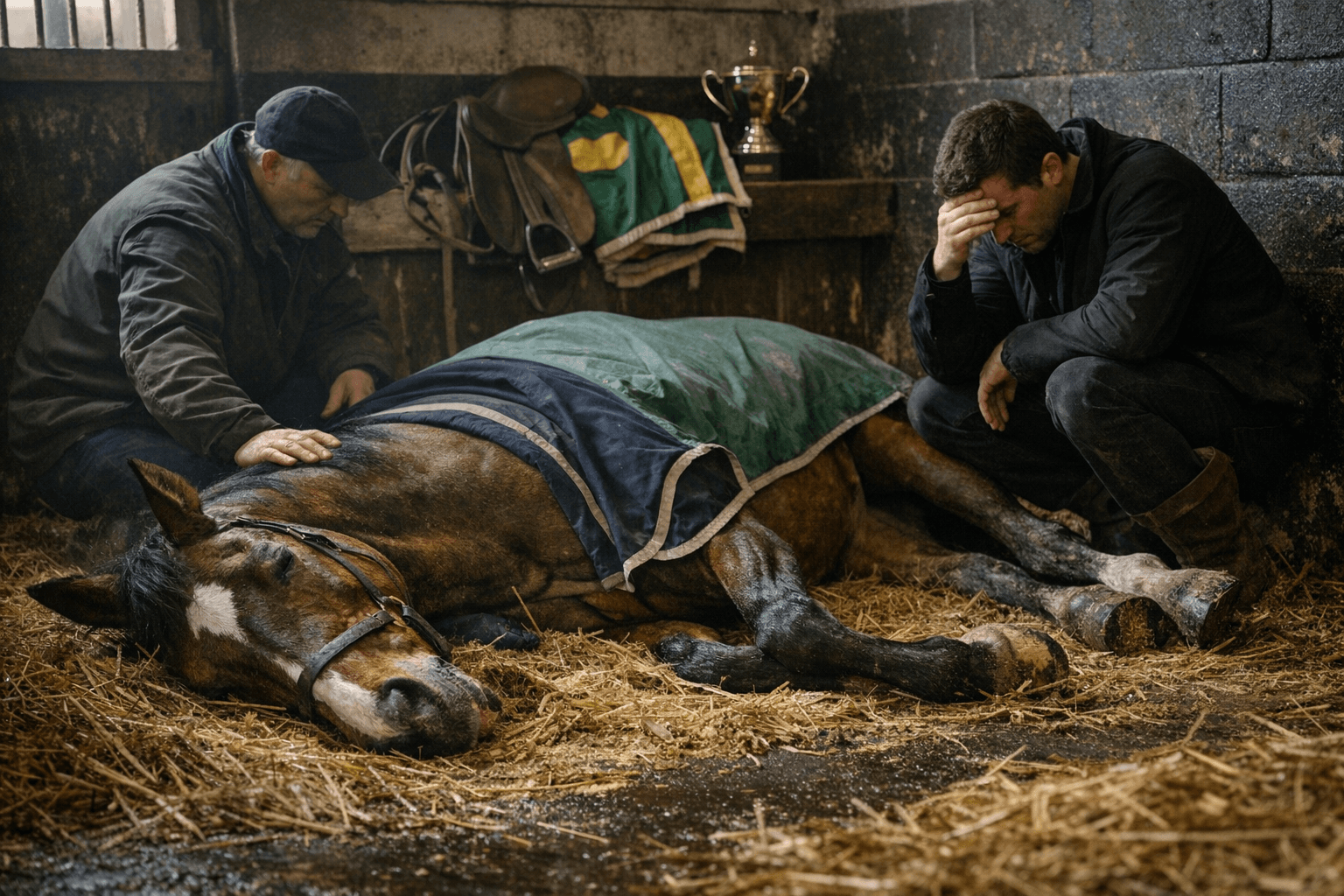
Noble Yeats was in retirement at Robert Waley-Cohen’s stud in Oxfordshire when he became ill. Vets treated him through the night, but he could not be saved. The horse’s death ends the chapter on a runner whose most famous afternoon delivered both a family triumph and a reminder of how quickly racing history can be made, then lived with for years afterward.
Sam Waley-Cohen paid tribute to the horse with a line that captured the scale of the moment Noble Yeats gave him: "He gave us one of the great days of our lives and fulfilled our dreams." For racing fans, the memory remains of a modestly priced outsider producing a Grand National result that blended drama, sentiment and rarity, while the sport itself is left again to reckon with the balance between spectacle, risk and the welfare questions that always follow jumps racing’s biggest stage.
This article was produced by Prism’s automated news system from verified source data, official records, and press releases, then run through automated quality and moderation checks before publishing. The system is built and supervised by the people who set the standards it runs under. Read our full AI policy.
Did this article answer your question?