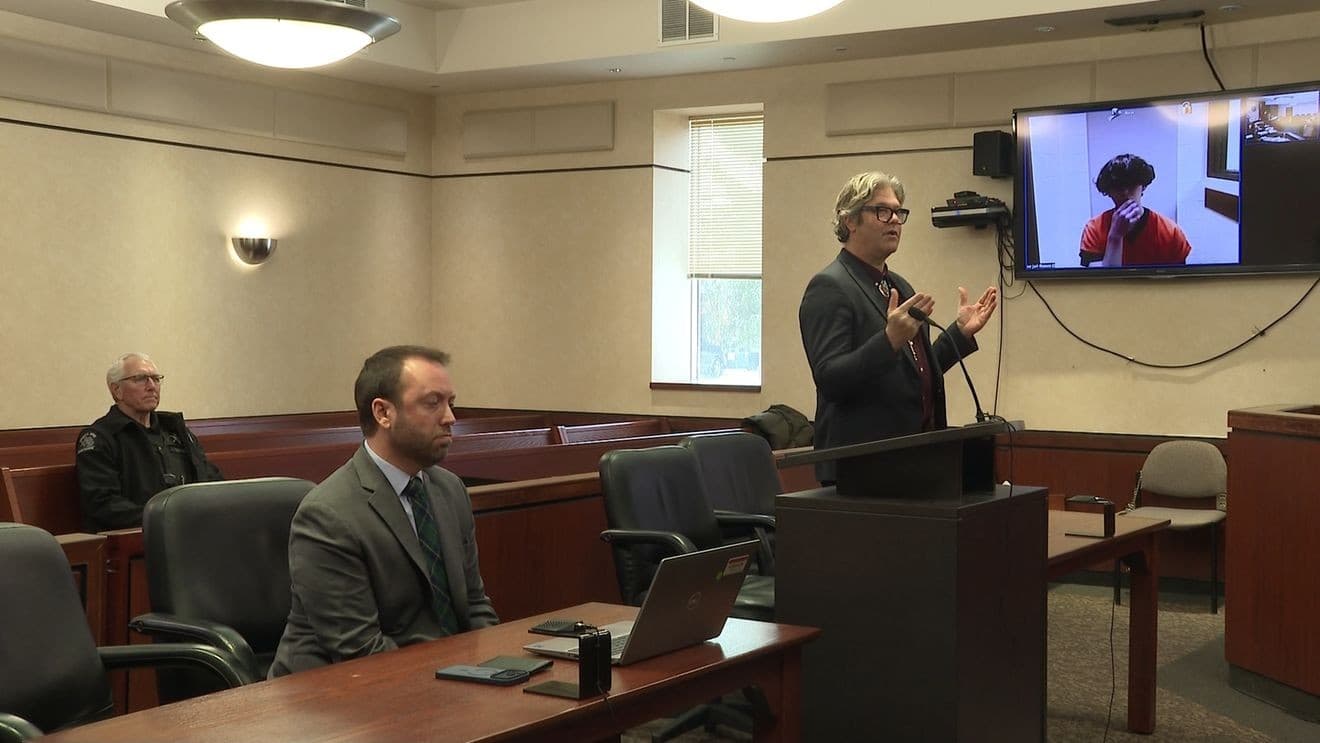
Grand Traverse County Sheriff Shea Seeks Expansion of Jail Diversion Program
Sheriff Michael Shea announced Feb. 26 a push to expand Grand Traverse County’s jail diversion program after a promising first year, routing people with behavioral-health, addiction or social-service needs away from booking.
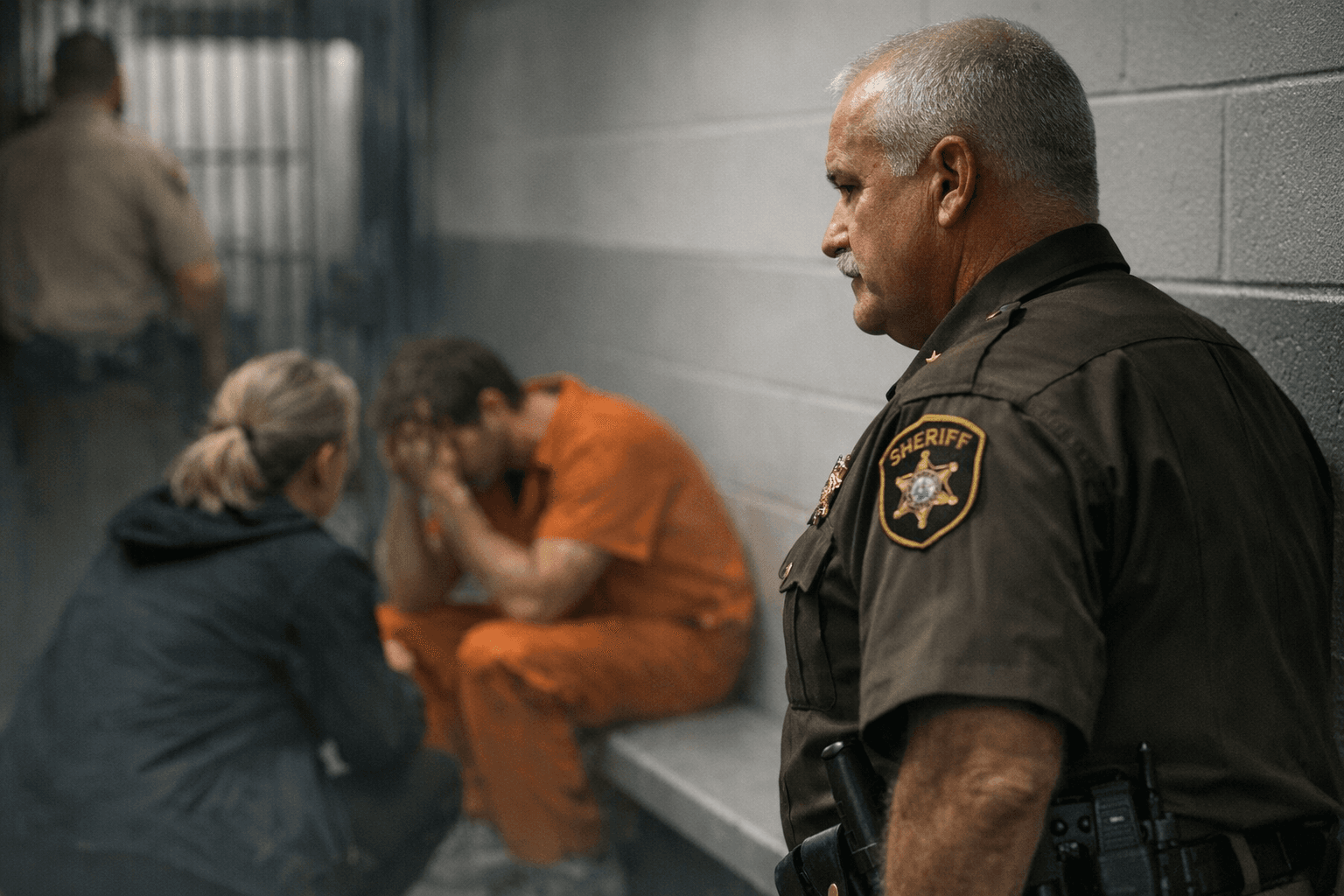
Grand Traverse County Sheriff Michael Shea announced Feb. 26 that he is pushing to expand the county’s jail diversion program after what he described as a promising first year of operations. The move signals a shift in how the Sheriff’s Office intends to handle encounters involving behavioral-health, addiction and other social-service needs in Grand Traverse County.
The jail diversion program is specifically designed to route people with behavioral-health, addiction or social-service needs away from formal booking and into support services instead of moving them through the county jail intake process. Sheriff Shea framed the expansion as a response to the program’s first-year outcomes, saying the approach keeps people from entering the criminal-justice system when their immediate needs are medical or social rather than criminal.
Shea’s announcement follows the program’s inaugural year in Grand Traverse County; he presented the expansion push to emphasize that the model can reduce formal bookings at the county jail by offering alternatives tied to treatment, case management and social supports. Those program goals align with national models that prioritize diversion for mental-health crises and substance-use disorders, and Shea identified the past year as the evidence base for widening the program’s reach.
The expansion will reshape day-to-day operations for deputies and for the Sheriff’s Office intake process at the county jail. By routing eligible individuals into community supports rather than formal booking, the program changes the immediate pathway after a law-enforcement contact: instead of arrest and intake, eligible people are connected with services tailored to behavioral-health or addiction needs. That procedural change carries implications for jail capacity, county service demand and how public-safety personnel allocate time and resources across Grand Traverse County.
Sheriff Shea set the expansion as a priority on Feb. 26, positioning the Sheriff’s Office to continue the diversion work that began in the program’s first year. As the county moves from a pilot phase to a larger effort, the policy choices will rest with the Sheriff’s Office and county decision-makers as they weigh program funding, staffing and partnerships to sustain diversion pathways for behavioral-health, addiction and social-service cases. The announcement makes clear that the next phase of the program will be central to Grand Traverse County’s approach to public safety and community treatment.
Sources:
Know something we missed? Have a correction or additional information?
Submit a Tip