Grasse, France, preserves centuries-old perfume heritage as climate threatens crops
Grasse still powers luxury perfumes with rose, jasmine and neroli, but climate stress is forcing brands to secure the fragile supply chain behind every bottle.
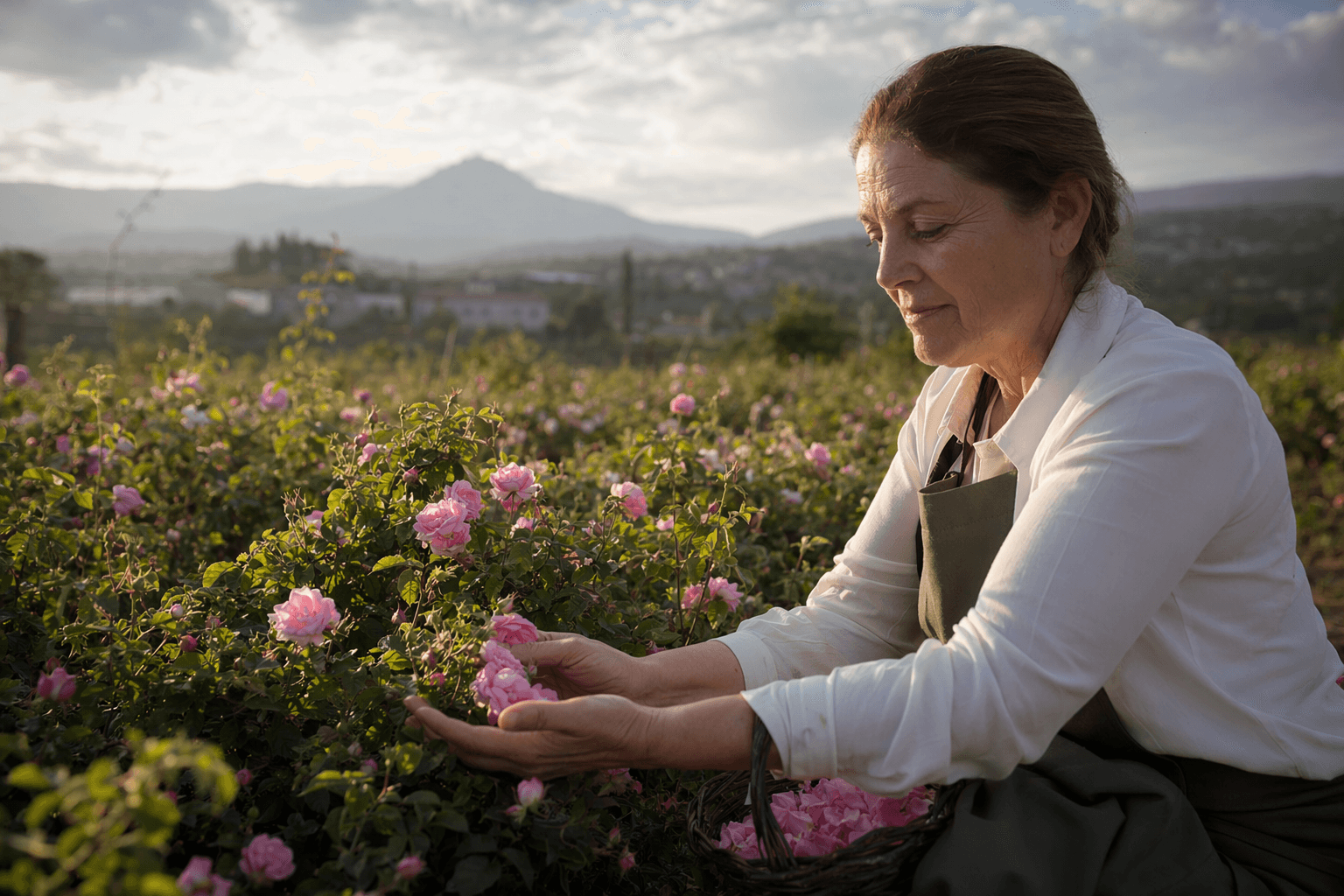
The hidden factory behind a luxury bottle
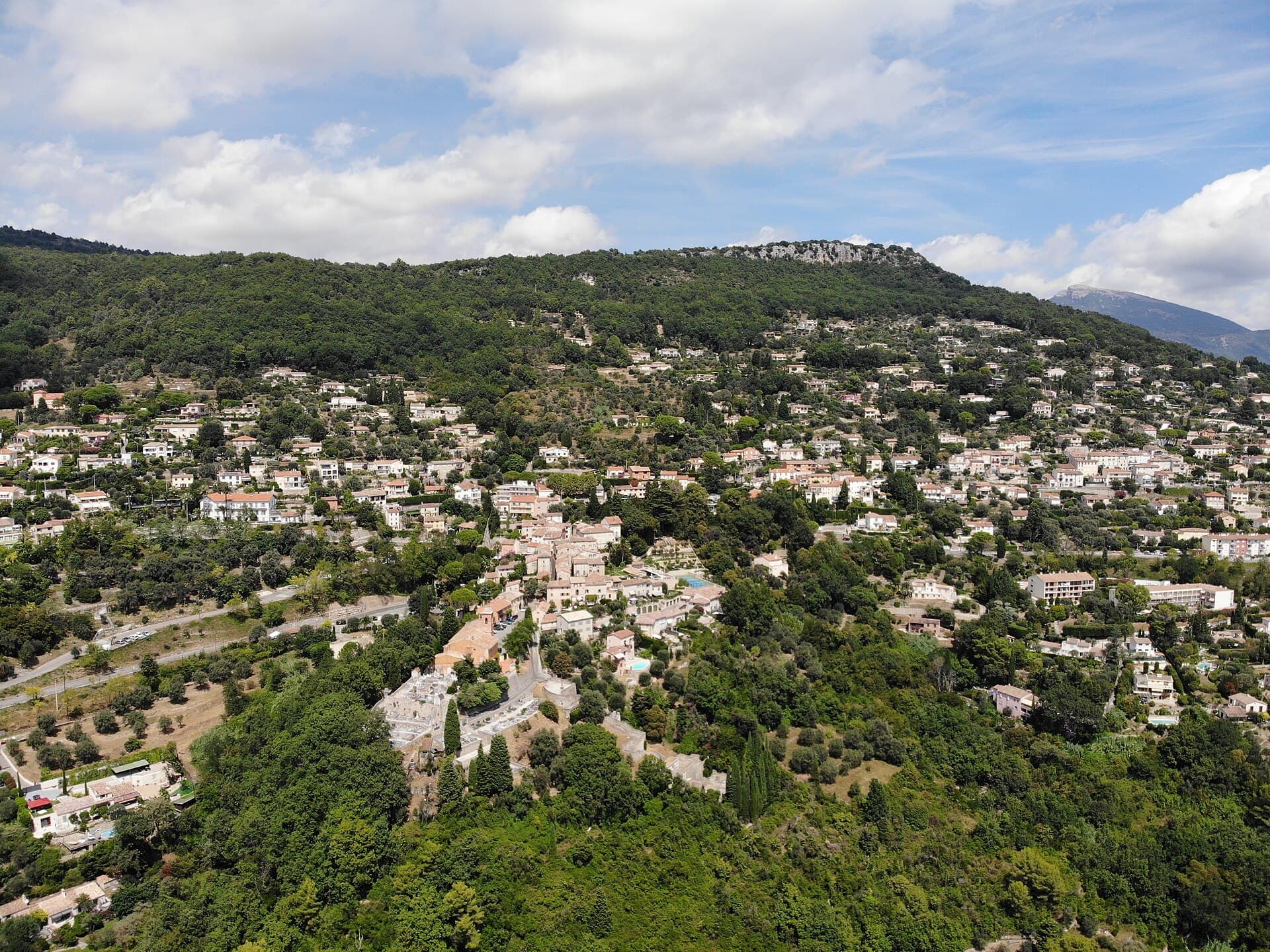
Grasse is often described as the perfume capital of the world, but that label only captures part of the story. The town in southern France has supplied flowers for some of the world’s most famous fragrances for more than a century, and its role is bigger than heritage branding: it is a working agricultural and industrial hub that helps determine what ends up in perfume bottles sold to American consumers and around the world.
UNESCO traces the region’s perfume know-how back at least to the 16th century, when the growing of perfume plants, the processing of natural raw materials, and the composition of fragrances took shape in a place once dominated by leather tanning. That transformation matters because it shows how a local economy can evolve around a single set of skills, moving from one craft to another without losing the labor, knowledge, and discipline required to make luxury goods.
A heritage built on flowers, labor, and technique
The perfume tradition of Pays de Grasse was added to UNESCO’s Representative List of the Intangible Cultural Heritage of Humanity in 2018, formal recognition that the region’s practices are not just picturesque, but culturally and economically significant. The heritage is collective, built by communities and groups that have preserved the cultivation of scent plants, the handling of raw materials, and the blending of fragrances across generations.
That continuity is visible at Fragonard, one of the best-known names in the town. Its historic factory occupies an 18th-century building and preserves older methods of perfume production, including copper stills and the memory of family-run factories that remained common until the 1950s. A second site, the Fabrique des Fleurs, built in 1986, shows that the tradition is not frozen in time. It keeps the focus on the flowers that still define Grasse: Provence rose, jasmine, orange blossom, and tuberose.
The result is a production ecosystem that depends on precision agriculture as much as on artistry. Flowers must be grown, picked, handled, and processed at the right moment to preserve their scent profiles. That labor is one reason Grasse remains essential to the luxury segment rather than to mass-market fragrance, where ingredient sourcing is often standardized and less tightly linked to a named place.
Why the biggest brands still depend on Grasse
Chanel makes the connection explicit. The company says its N°5 fragrance includes neroli from Grasse, along with May rose and jasmine from Grasse. That detail is not just a marketing flourish. It shows how one town continues to anchor some of the most recognizable perfumes in the world, even as global brands have expanded their industrial footprints elsewhere.
The renewed importance of the region is visible across the industry. Chanel, Dior, Lancôme, Louis Vuitton, and suppliers including Mane and Robertet have maintained or expanded their presence in and around Grasse. That concentration of brands and ingredient specialists gives the area a strategic role in the luxury fragrance supply chain, because expertise, quality control, and access to specific botanical inputs remain clustered in one place.
For the consumer, especially in the United States, that clustering helps explain why premium perfume can command such high prices. The value is not just in a scent formula, but in the cost of securing rare flowers, preserving artisanal techniques, and maintaining a reliable source of ingredients that can be traced back to a celebrated origin. In luxury fragrance, terroir is part of the product.
Climate pressure is now part of the pricing story
The supply chain behind Grasse is under strain. Recent reporting on the region describes drought, shifting seasons, and extreme weather as threats to the delicate crops that perfume houses rely on. Flowers are among the most climate-sensitive inputs in luxury goods, and when harvests become less predictable, the consequences move quickly from the field to the factory and then to the final bottle.
Chanel has already responded by buying additional jasmine fields in southern France to secure ingredients for N°5. That move underscores a larger market reality: when a fragrance depends on a narrow set of botanicals, supply security becomes a business imperative. The question is no longer only whether a flower can be grown, but whether it can be grown consistently enough to meet the quality standards that luxury buyers expect.
This is where climate change becomes an economic issue, not just an environmental one. If yields fall or harvest timing becomes erratic, brands face tighter supply, higher procurement costs, and more pressure to lock in land, growers, and processing capacity. For iconic perfumes, the fragility of the agricultural base is part of the hidden cost structure that eventually reaches consumers.
Grasse as living industrial heritage
Grasse endures because it is both a museum of fragrance history and an active production zone. The town’s perfume culture did not survive by remaining sentimental; it survived by adapting, by keeping the old methods where they still matter and pairing them with modern production sites, brand investment, and specialized suppliers.
That balance is why the town continues to matter to the global luxury market. The ingredients that begin in Grasse are not minor decorative notes. They help define the identity of flagship perfumes, shape sourcing strategies for major houses, and reveal how climate, agriculture, and artisanal labor can determine the economics of a product that many buyers experience only as a bottle on a shelf.
In Grasse, heritage is not separate from commerce. It is the mechanism that keeps the perfume industry supplied, and the pressure of a warming climate is testing whether that mechanism can hold.
This article was produced by Prism’s automated news system from verified source data, official records, and press releases, then run through automated quality and moderation checks before publishing. The system is built and supervised by the people who set the standards it runs under. Read our full AI policy.
Did this article answer your question?

