Greater Geelong to Turn Carpet Waste into 3D-Printed Infrastructure
City of Greater Geelong awarded AU$25,000 to test whether carpet manufacturing waste can be turned into LFAM feedstock to cut landfill and trial 3D‑printed waterfront bollards.
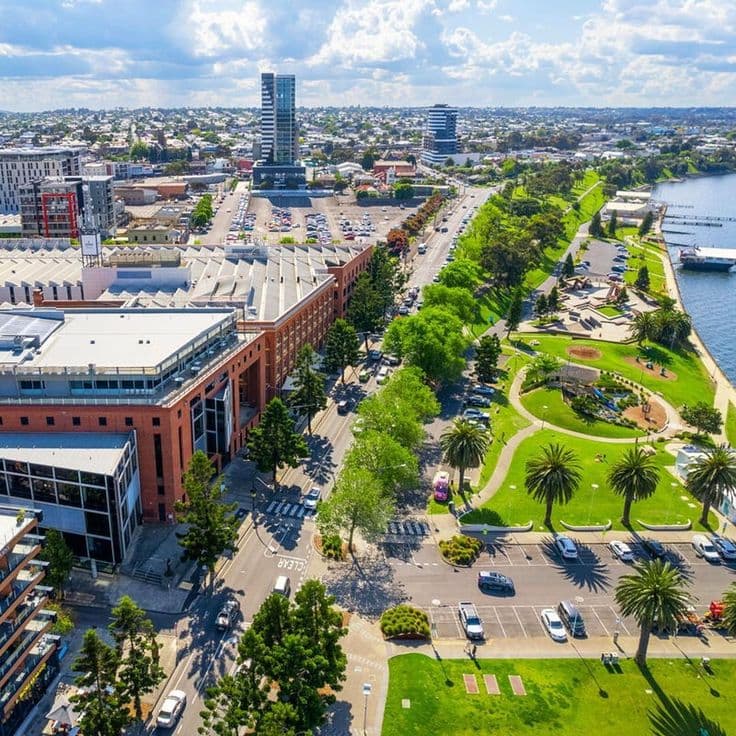
The City of Greater Geelong has voted to fund a local university‑industry pilot that will test whether pre‑consumer carpet manufacturing waste can be converted into feedstock for large format additive manufacturing (LFAM). The AU$25,000 grant, lodged under the 2025-26 Grants Fund New Bollard Material Research entry, backs a joint project between Deakin University and Godfrey Hirst, with support from Advanced Fibre Cluster Geelong.
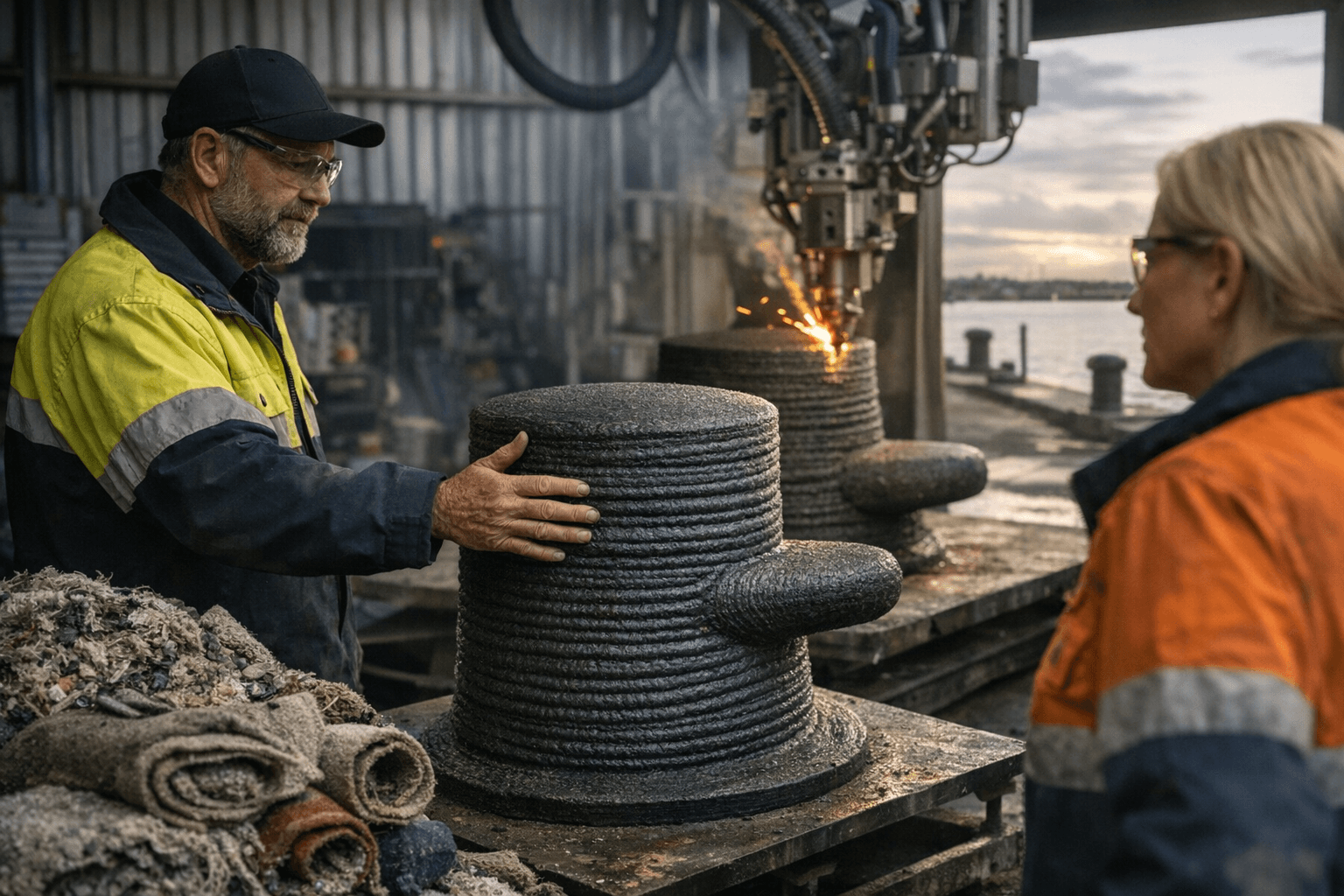
The research aims to repurpose carpet manufacturing offcuts that would otherwise be landfilled into durable, large‑scale 3D‑printed products for city infrastructure. The first application under consideration is replacing the iconic wooden bollards along the Geelong waterfront with LFAM components made from recycled carpet material. Those timber posts were mostly constructed from repurposed historical pier timbers and have served as a local landmark for about 30 years; they are now failing due to fungal infections, pests, and rot from prolonged coastal exposure.
Aaron Dawson, Manufacturing Manager at Godfrey Hirst, framed the pilot as both practical and environmental. "This research project represents a practical step forward in addressing one of the biggest challenges facing manufacturing today—how to keep valuable materials in use for longer. Exploring the potential to transform carpet manufacturing waste into durable, large-scale 3D printed products aligns strongly with our commitment to waste reduction and circular economy principles. We're proud to collaborate locally in Geelong on a project that could deliver real environmental benefits while creating innovative, long‑lasting infrastructure for the community."
Council materials and project summaries describe the approach as exploratory; the funding will support feasibility work rather than guarantee a rollout. If the trial proves viable, the project could divert "hundreds of tonnes" of carpet manufacturing waste from landfill each year and produce composite components that may prolong bollard lifespans and reduce maintenance compared with traditional timber.
The AU$25,000 award is equivalent to roughly US$17,500 in the published material. Advanced Fibre Cluster Geelong is listed as a project backer; the cluster is described as a network of companies and organisations centred around Deakin University that accelerates advanced fibre and composites capability in the region.
The pilot sits alongside wider industry trends in construction-scale 3D printing. Recent projects in Australia have shown rapid print times and cost reductions for structural walls, and industry observers highlight potential savings and sustainability gains when printing building elements or using recycled inputs. Those examples serve as context rather than direct precedent for the Geelong work; technical details for the carpet‑to‑feedstock process, testing protocols, timelines and regulatory approvals have not been published yet.
For local makers, engineers and residents the project signals a practical, place‑based experiment in circular manufacturing that ties a regional manufacturer, a university and the council to a visible civic outcome. The next steps will be seeing the technical feasibility results, material testing for coastal exposure and structural performance, and whether the council will move from pilot to procurement if the recycled LFAM bollards meet safety and heritage expectations.
Know something we missed? Have a correction or additional information?
Submit a Tip