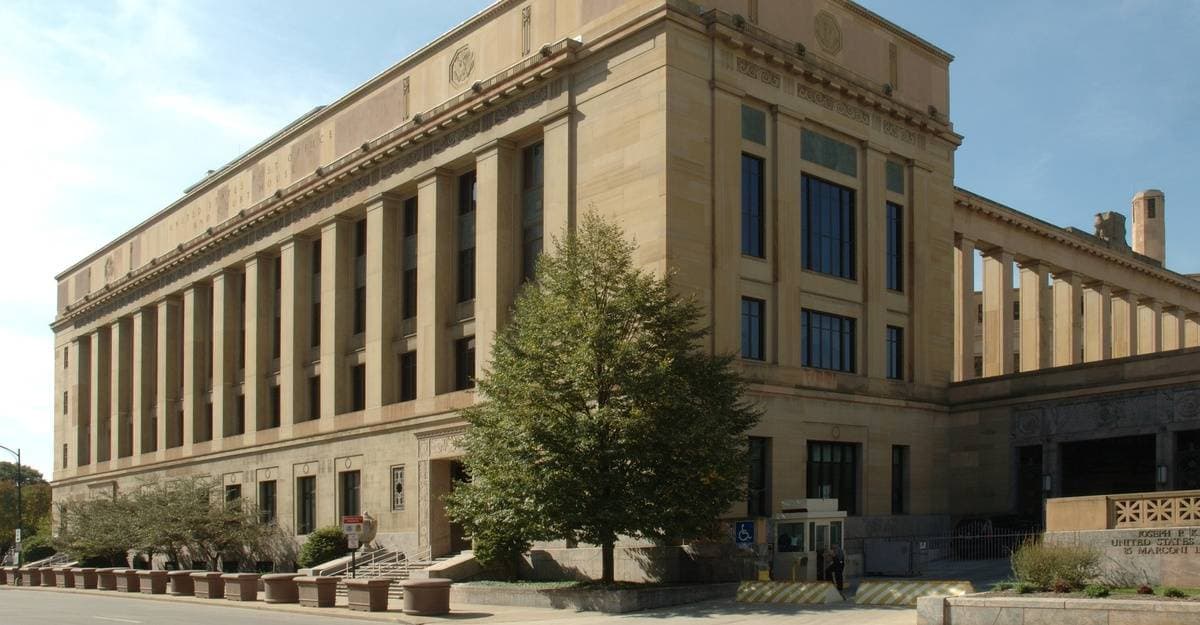
Greece tourism and food workers stage 24-hour strike for seasonal benefits, agreement
Thousands of tourism and food-service workers staged a 24-hour nationwide strike on Feb. 25, rallying at the Ministry of Labor in Athens to demand a sector collective labour agreement and 80% seasonal unemployment benefits.
Thousands of workers in Greece’s hotels, restaurants, catering companies, cafés, bars and nightclubs shut down operations nationwide on Feb. 25, 2026, taking part in a 24-hour strike led by the Panhellenic Federation of Food and Tourism Workers (POEET – Πανελλήνια Ομοσπονδία Εργαζομένων Επισιτισμού – Τουρισμού) and massing outside the Ministry of Labor and Social Security in Athens. Organizers reported a mass rally in the capital and widespread shutdowns across the tourism and food-service sectors.
POEET said it had unanimously decided to call the action and announced the strike on Feb. 9; a social media post tied to the announcement carried the wording that the federation had “unanimously decided to hold a 24-hour nationwide strike in the tourism and food service sector on … February 25, 2026.” The Attica Union of Food Service, Tourism and Hotel Workers urged mass participation in the mobilization.
Organizers set a central protest time in Athens: "A protest gathering is expected to take place at 11:00 a.m. outside the Ministry of Labor and Social Security." The one-day action followed months of unanswered letters, meetings and earlier protest actions, including occupations of DYPA (Public Employment Service) offices, which unions said failed to produce meaningful progress from the government or the Ministry of Labour.
Unions presented a compact set of demands aimed at changing industry standards. The federation’s demands included "wage increases; a five-day, eight-hour, 40-hour working week, and an additional payment for work on a sixth day, as applies in other sectors of the Greek economy; restoration of the unemployment benefit for seasonal workers to pre-memorandum levels, with coverage set at 80% of wages, as applies to other unemployed people; elimination of falsely declared work; stronger enforcement mechanisms; health and safety measures everywhere."
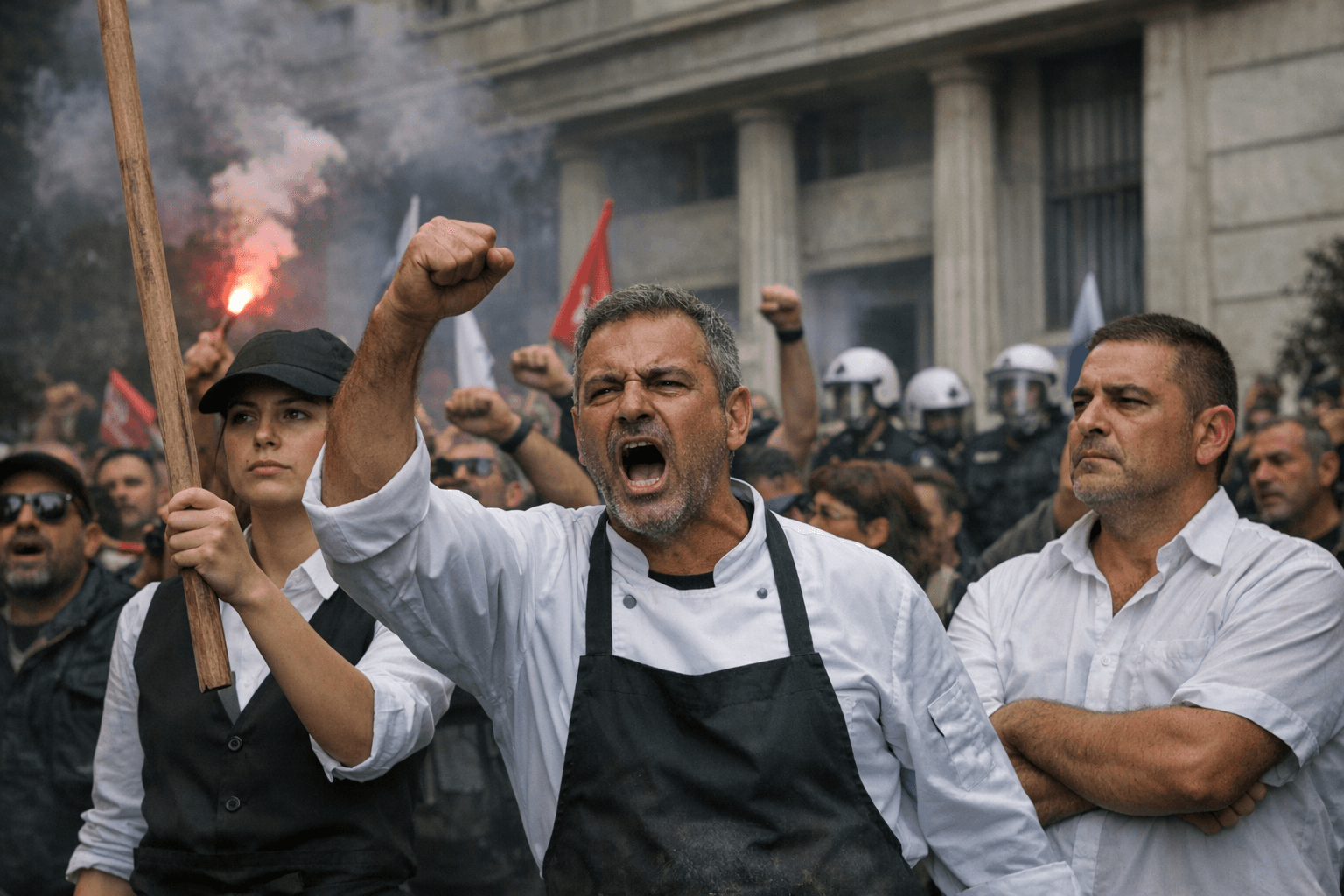
Separately, a social media post accompanying the campaign used the phrase "Workers demand unconditional 80% unemployment benefits for seasonal staff..." to capture the unions’ central plea on seasonal income support. Unions argue that restoring benefits to 80% of wages would return seasonal workers to pre-memorandum levels of unemployment coverage and reduce the acute precarity facing many in the sector.
Union leaders framed the strike as both a bargaining demand and an industry warning: "Today’s message from catering and tourism workers, the federation says, is clear: without regulation, enforcement and decent working conditions, the sector cannot sustainably support the next tourist season." Organizers added that mobilisations will continue if there is no substantive response from government or employers.
The action closed businesses across the country outside the peak summer season, a timing unions said was deliberate to escalate talks before the main tourist months. Employers and the Ministry of Labor had not released a public response by the end of the strike day; union representatives said they are prepared to sustain pressure until the federation’s demands, including a collective labour agreement and the restoration of seasonal unemployment benefits, are addressed.
Know something we missed? Have a correction or additional information?
Submit a Tip