Greg Dolezal launches lieutenant governor bid at Forsyth kickoff
Greg Dolezal launched his lieutenant governor campaign in Forsyth County on Jan. 14, drawing local officials and outlining his platform. The bid could influence local priorities and voter engagement.
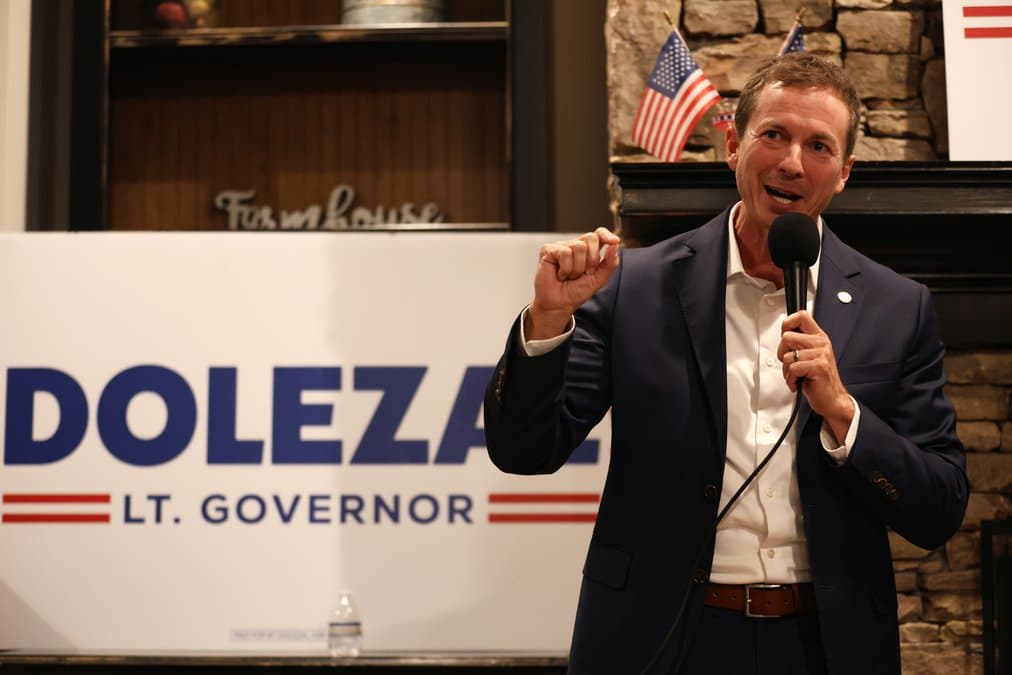
State Sen. Greg Dolezal officially launched his campaign for lieutenant governor at a Forsyth County kickoff on Jan. 14, drawing a crowd of local officials and party supporters as he outlined his campaign platform. The event marked the entry of a sitting state senator into a statewide contest that will shape the 2026 election cycle and the balance of influence over policy affecting Forsyth County.
Dolezal, who represents constituents in the General Assembly, used the Forsyth gathering to solidify local support and signal a transition from a regional to a statewide political stage. The lieutenant governor race, often lower-profile than gubernatorial contests, can nonetheless shape legislative priorities through the officeholder's formal duties and informal influence. For Forsyth residents and municipal leaders, a statewide official with local ties can affect transportation funding, economic development projects, and advocacy for area priorities at the Raleigh level.
Local officials attending the kickoff underscore how county-level endorsement networks and on-the-ground organizing will matter in the months ahead. Forsyth County voters frequently play an outsized role in Triad politics; a competitive lieutenant governor primary and general election could increase turnout and sharpen debates on issues important to the region. Dolezal's campaign launch also begins the practical work of statewide fundraising, volunteer organizing, and building name recognition beyond his legislative district.
Institutionally, the lieutenant governor post can influence legislative procedure and statewide policy direction, and candidates use the platform to argue for how they would represent counties like Forsyth in the next administration. Dolezal’s campaign therefore has direct implications for local governance, potentially changing who advocates for county projects at the state level and how Forsyth priorities are weighed during budget negotiations.
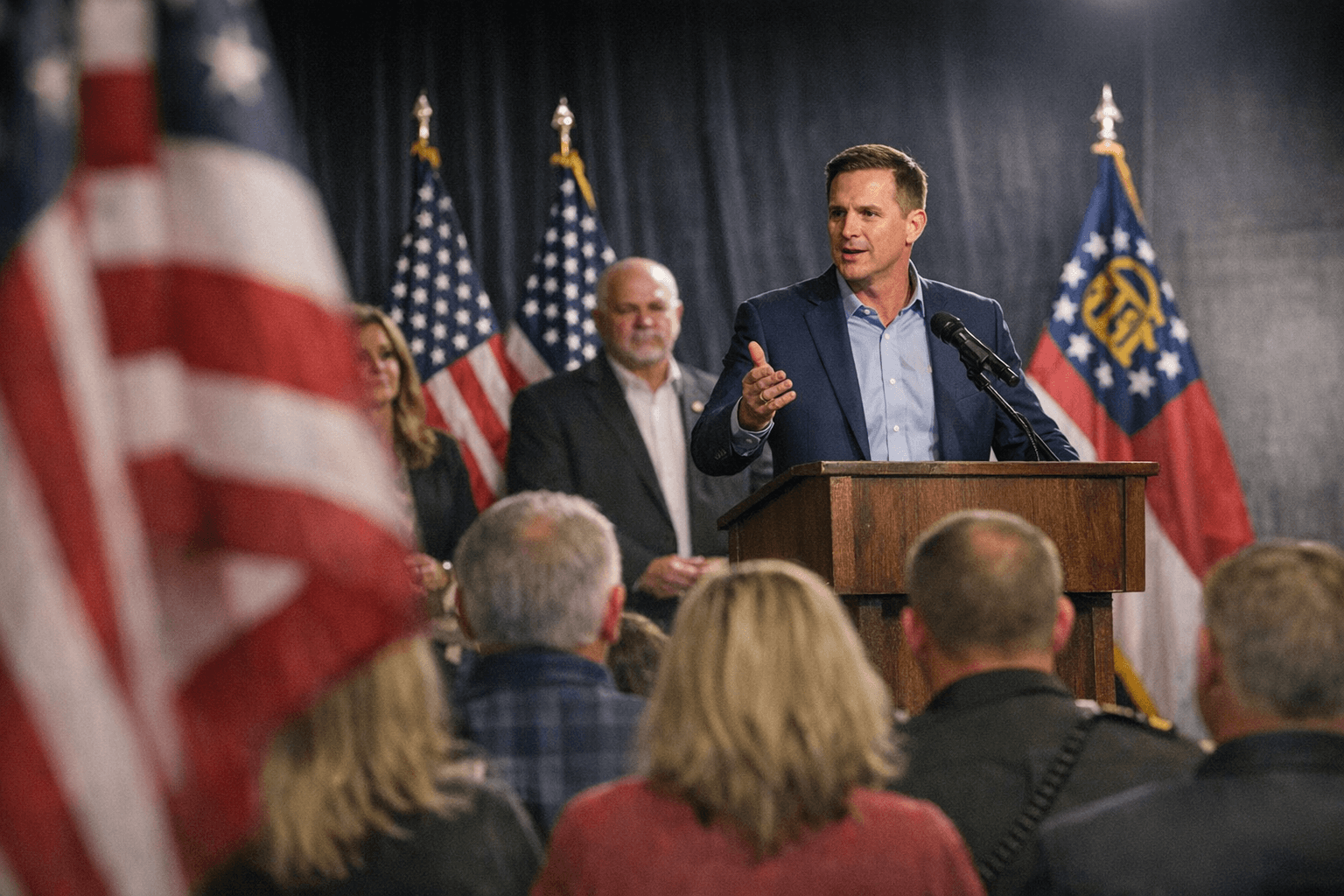
The statewide field for 2026 remains fluid, and this launch positions Dolezal among potential contenders from both parties who will compete for endorsements and primary voters. For Forsyth residents, the immediate effects will be seen in increased candidate engagement locally: more events, targeted outreach, and efforts to mobilize voters ahead of key filing and primary milestones.
What comes next for readers is practical and political. Expect more candidate appearances in town halls and local forums, a sharpening of campaign messages aimed at Forsyth constituencies, and opportunities for residents to evaluate how each candidate’s priorities align with county needs. The campaign’s progress will matter not just for partisan politics but for how effectively Forsyth can secure attention and resources in the next state administration.
Sources:
Know something we missed? Have a correction or additional information?
Submit a Tip