Guardiola’s tactical rethink drives Manchester City’s title surge
Guardiola answered City’s injury crisis with a tighter, striker-less shape that restored control and reignited their title push.
From collapse to reset
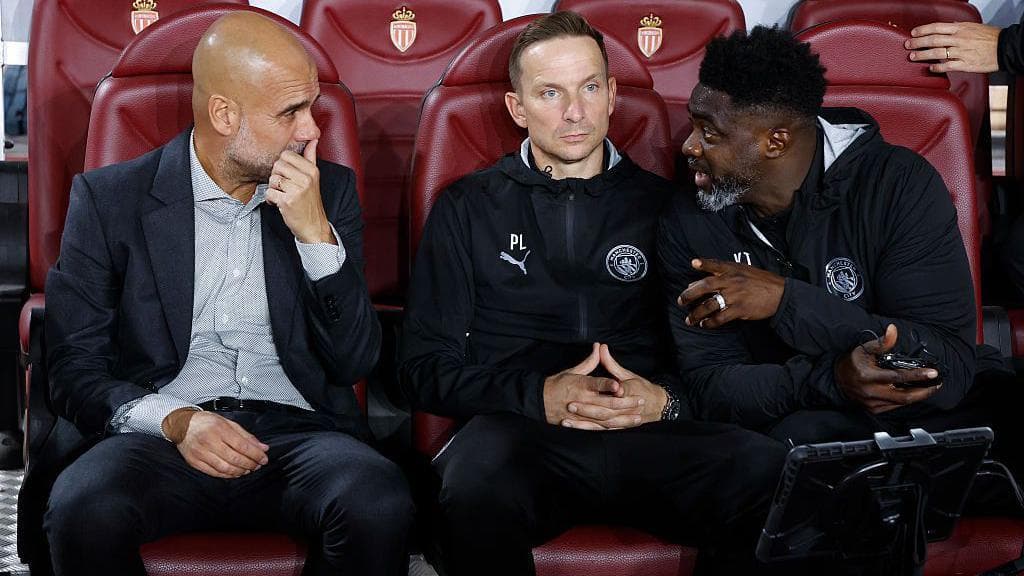
Manchester City have dragged themselves back into contention by shrinking the game and rebuilding from the middle out. What looked in December 2024 like a title defence in tatters has become a reminder of how quickly Pep Guardiola can force a correction when his first plan breaks down.
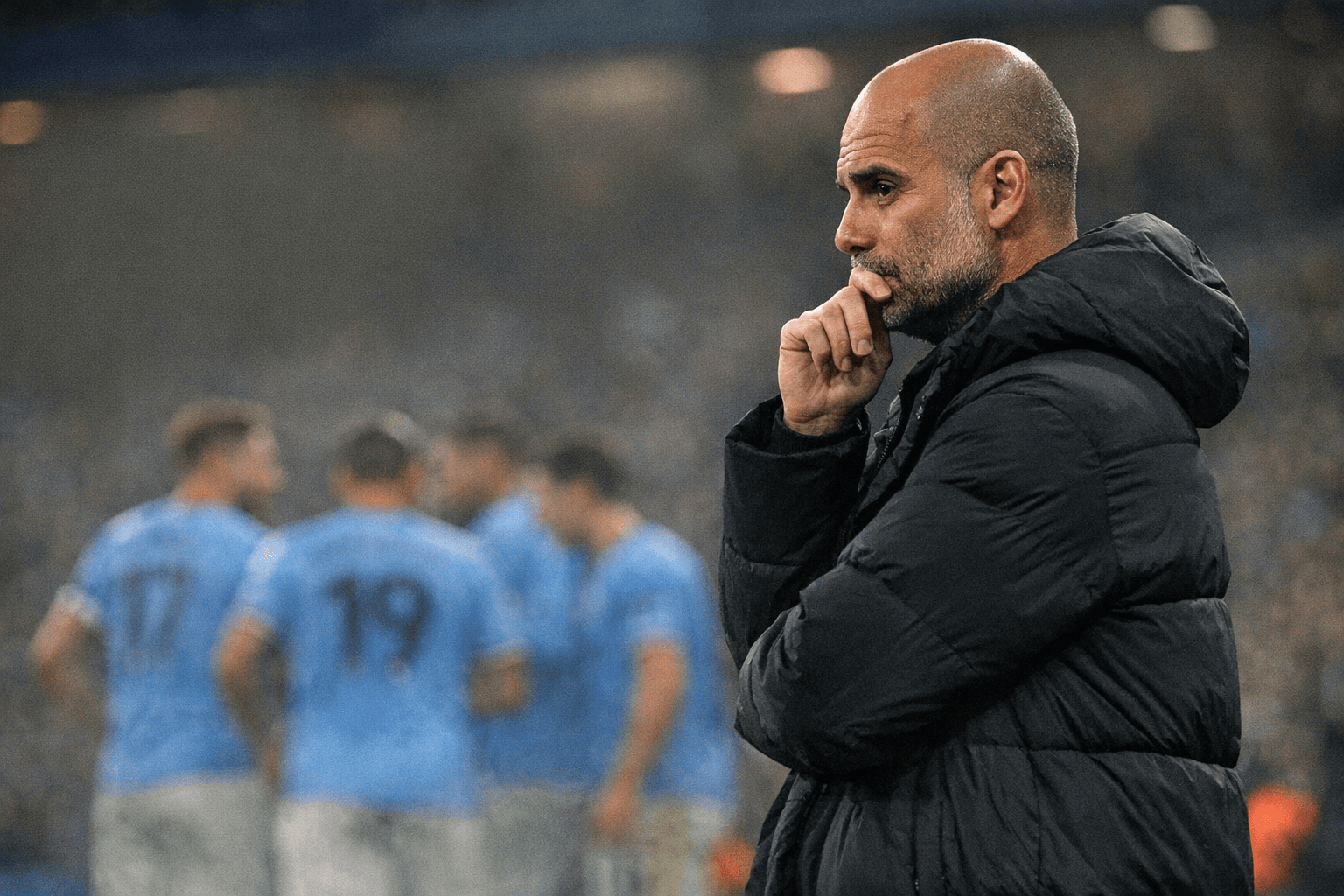
The turnaround matters because City began the season as champions chasing an unprecedented fifth straight crown. Instead, a prolonged slump left them in crisis, and Guardiola acknowledged that the collapse had to be absorbed before the team could move forward. He has said the loss of complacency helped reset the group, a telling admission from a manager who usually prefers control to damage limitation.
By late April 2025, City were still juggling two fronts, chasing Champions League qualification while trying to finish the Premier League season strongly. Guardiola called it a “season to suffer”, which was not an excuse so much as a diagnosis. The message was clear: if City were going to rescue the campaign, they would have to do it without the comfort of their usual rhythm or their usual personnel.
The injuries that forced the rethink
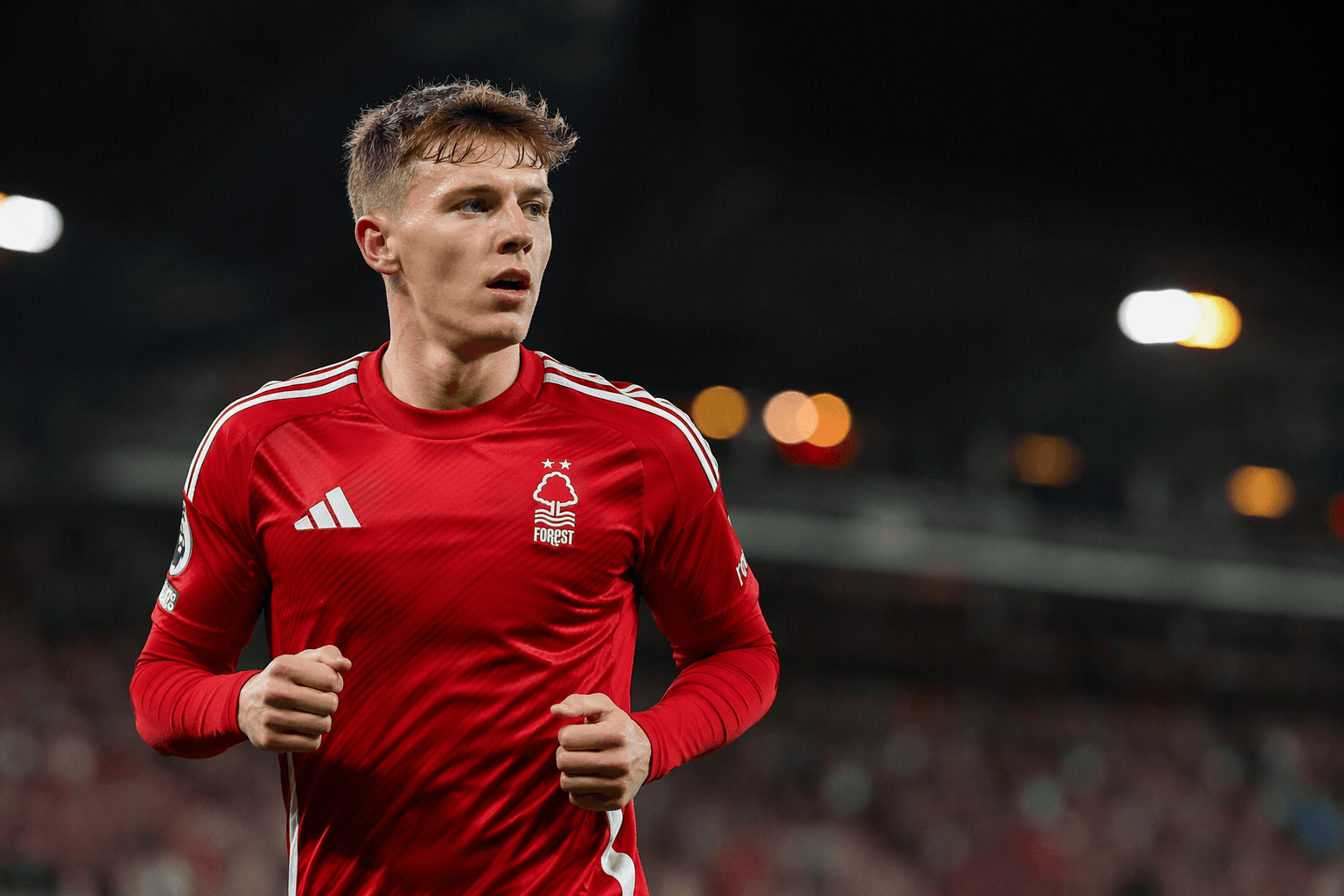
The tactical overhaul began with a bruising injury list. Rodri, Erling Haaland, John Stones, Manuel Akanji and Nathan Ake all spent time sidelined, stripping City of their midfield anchor, their primary striker, and key defensive options in the same stretch of the season. That combination does more than weaken a team on paper. It breaks the structure Guardiola normally uses to keep the ball, win it back quickly and control transitions.
The defensive crisis was severe enough that Matheus Nunes and Nico O’Reilly were pushed into full-back roles. That was not a cosmetic adjustment. It was an emergency response to the shortage of natural defenders, and it changed both the starting positions and the passing lanes City could use. Guardiola admitted the scale of the improvisation himself, saying that if someone had told him at the start of the season that Nunes and O’Reilly would be starting as full-backs in a semi-final, he would have replied: “what are you talking about?”
That line captures the scale of the disruption. City were no longer simply rotating within a settled system. They were inventing one on the fly.
The shape that brought control back
Guardiola’s fix was a striker-less, ultra-narrow setup that condensed the team into the centre of the pitch. In recent matches, Bernardo Silva and Mateo Kovacic have operated at the base of midfield, while Kevin De Bruyne and Ilkay Gundogan have been used as false nines. The full-backs have moved inside, tightening City’s shape and giving them more bodies around the ball.
The logic behind the change is straightforward. Without Haaland pinning centre-backs, City needed a way to keep possession high up the pitch without becoming stretched. Without Rodri, they also needed extra security in the centre to stop counterattacks from slicing through them. The narrow shape solved both problems at once: it crowded midfield, reduced the space opponents could attack, and gave Guardiola more passing options in the zones that matter most.
It also restored a more familiar City pattern, even if the personnel looked unusual. Bernardo Silva and Kovacic offered press resistance and circulation at the base, while De Bruyne and Gundogan brought movement and intelligence between the lines. Rather than forcing the ball into a lone centre-forward, City pulled opponents inward and asked them to defend repeated waves of possession in confined spaces. That is classic Guardiola, even if the names and positions were improvised.
A 1-0 win over Wolverhampton Wanderers was cited as a sign that the team were returning to a more classic Guardiola style. The scoreline mattered less than the pattern behind it. City were again controlling the game, managing risk and finding a way to win without opening themselves up. For a side that had looked vulnerable for much of the winter, that was the clearest evidence that the rethink had taken hold.
Why the margins still matter
City’s recovery is easier to appreciate when set against their recent history. They won four consecutive Premier League titles from 2020/21 to 2023/24, becoming the first club in 135 years of English football history to achieve four straight top-flight crowns. That standard is what made the slump so striking and the rebound so significant. At City, a normal season already demands near perfection.
Guardiola’s own future also frames the scale of the project. His contract extension keeps him at Manchester City until 2027, and he has been in charge since August 2016. That longevity matters because it shows this is not a short-term rescue job. It is the latest evolution in a system that has kept changing while still producing trophies.
The latest title race only sharpens that point. As of 22 April 2026, Manchester City and Arsenal were level on 70 points and a +37 goal difference, with City ahead only on goals scored. That kind of margin is exactly where Guardiola lives when the season tightens: tiny advantages, no room for waste, and constant pressure to find the right XI before the table punishes the wrong one.
City’s surge back up the standings has not come from a return to old habits. It has come from a manager accepting that the old shape no longer fit the personnel available, then building a narrower, safer, more compact version of the team to protect against the cracks. In a season that began with collapse and disruption, Guardiola’s latest rethink has turned survival into contention again.
This article was produced by Prism’s automated news system from verified source data, official records, and press releases, then run through automated quality and moderation checks before publishing. The system is built and supervised by the people who set the standards it runs under. Read our full AI policy.
Did this article answer your question?
.jpg&w=1920&q=75)