Guide to Top Winter Trails and Outdoor Recreation in Grand Traverse County
Local residents will learn where to ski, snowshoe, fat-bike, or walk in Grand Traverse County, plus practical tips, community impact, and seasonal considerations.
1. Boardman Lake Trail / TART Trails
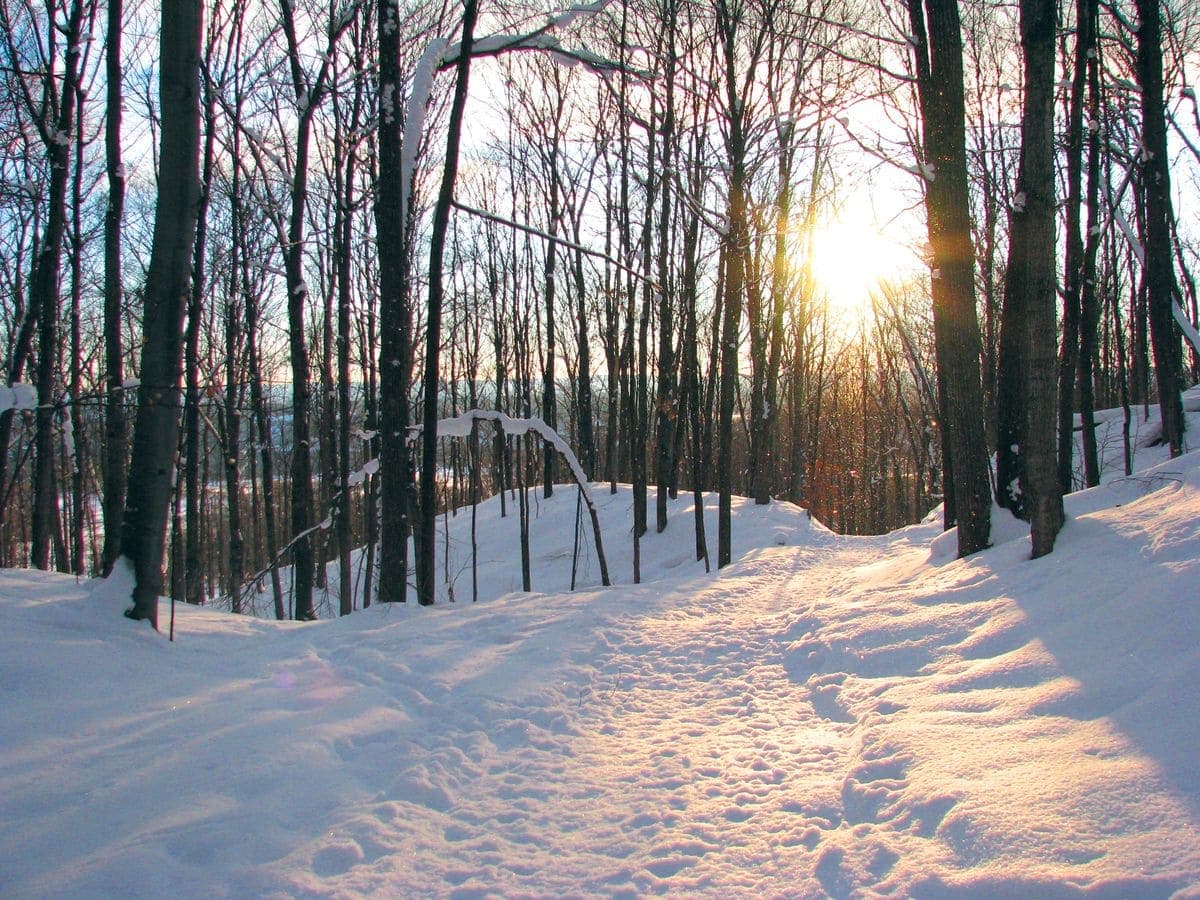
The Boardman Lake Trail, part of the TART Trails network, is the go-to for accessible winter walks and fat-tire rides with multiple trailheads and easy downtown Traverse City access. Groomed sections make it ideal for short family outings, brisk commutes, and scenic laps around the lake; its proximity to restaurants and shops concentrates winter foot traffic that helps downtown businesses. Check TART’s real-time status for grooming and closures; when conditions are good, the trail is a low-friction option for people who want safe, short-distance outdoor time without driving out of town.
2. Hickory Hills Recreation Area
Hickory Hills is the county-run ski area offering downhill runs, Nordic trails, lessons, and rental gear, making it a hub for school programs and family weekends. The combination of lift-served runs and groomed cross-country routes means Hickory Hills captures both alpine and Nordic demand, supporting local instructors and rental shops with winter revenue. For planning, confirm run openings and pass options through county channels, since operations depend on snowpack and staffing; the site remains a community focal point for youth skiing and local competitions.
3. Timber Ridge / VASA trails
Timber Ridge and the VASA trail network serve cross-country skiers and fat-bikers with a connected set of beginner-to-intermediate loops and regular community events like Winter Trails Day. These venues are frequently used for demos, lessons, and club outings, which help recruit new participants and support small businesses that provide lessons and equipment. The trail system’s event calendar concentrates economic activity, lesson fees, rentals, and food/beverage sales, so community events are both social and material boosters for the winter outdoor economy.
4. Mitchell Creek Meadows (Grand Traverse Regional Land Conservancy)
Mitchell Creek Meadows, conserved and managed by the Grand Traverse Regional Land Conservancy, offers rolling terrain well-suited to snowshoeing and winter nature hikes; seasonal programs sometimes include volunteer projects and invasive-species work. Conservancy-managed lands preserve access and protect habitat while creating low-impact recreational opportunities that attract nature-minded residents and visitors. Participating in stewardship days both helps maintain the property and channels local volunteer time into conserving the landscapes that sustain winter recreation, an investment with long-term ecological and community value.
5. Brown Bridge Quiet Area and surrounding forest trails
The Brown Bridge Quiet Area features extensive woods and interconnected trail loops that are excellent for quieter snowshoeing, backcountry-style hikes, and birdwatching away from groomed arteries. Trailhead parking and downloadable maps are available through county and trail websites; plan routes in advance because loop lengths and conditions vary. The Quiet Area supports biodiversity and offers a solitude alternative for residents who prefer low-impact, ungroomed terrain, adding diversity to the county’s winter recreation portfolio.
6. Practical trail-use tips and local logistics
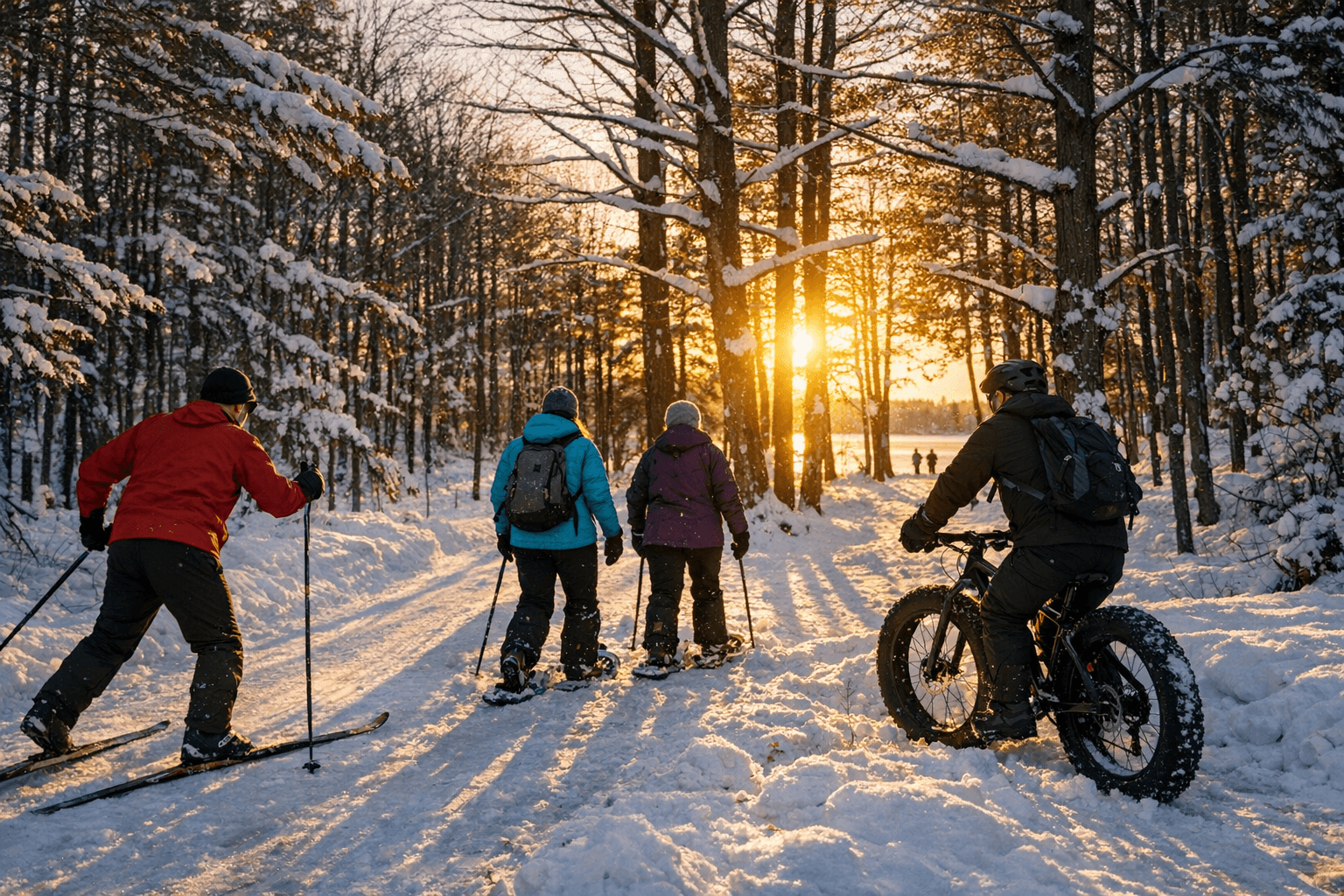
Before you go, confirm grooming and access via TART Trails and official park pages, conditions change rapidly with weather and staffing. Rentals for cross-country skis, snowshoes, and fat-bikes are widely available from local outfitters and recreation centers; expect to show ID for rentals and consider reserving in peak weekends. Dress in layers, carry water, and plan around shorter daylight hours; on groomed ski trails, follow posted etiquette and signage to keep trails safe for all users. • Check trailhead parking rules • Reserve lessons or demos early during event weekends • Bring a basic repair kit for fat-bikes and toe warmers for long ski tours
7. Local economic and policy context
Winter trails are not just recreation, they are an economic input for Traverse City and the greater Grand Traverse County area, concentrating spending on rentals, lessons, eateries, and lodging during the shoulder and low seasons. Investments in grooming, trail maintenance, and conserved lands spread economic benefits to small businesses and volunteer groups while supporting year-round employment in outfitters and hospitality. Policy choices, county funding for Hickory Hills, support for TART Trails grooming, and land-conservancy easements, shape how resilient the winter recreation economy will be as seasons warm and snowfall patterns shift.
8. Long-term trends and what residents should watch for
Regional winters have seen variability in snow cover and timing, which shifts demand toward groomed trails, fat-bike and snowshoe-friendly terrain, and indoor-outdoor programming that can pivot with conditions. Prioritizing diverse trail assets (lakefront groomed loops, ski hills, conserved meadows, and quiet forests) helps the community adapt economically and recreationally to shorter, less predictable snow seasons. Supporting multi-use infrastructure and volunteer stewardship increases local resilience and preserves outdoor access that drives winter spending and community well-being.
Closing practical wisdom Plan trips around current grooming reports, support local rental shops and instructors who keep trails accessible, and join a stewardship day to protect the places you use, small actions sustain access and the local economy. When snow is thin, swap skis for snowshoes or a fat-bike and treat each outing as both recreation and investment in the community that makes winter in Grand Traverse County special.
Sources:
Know something we missed? Have a correction or additional information?
Submit a Tip