Gulf producers race to restore oil flows as Hormuz reopens cautiously
Oil is moving again through the Gulf, but mines, cyberattacks and shipping uncertainty still threaten a fragile rebound in crude prices.
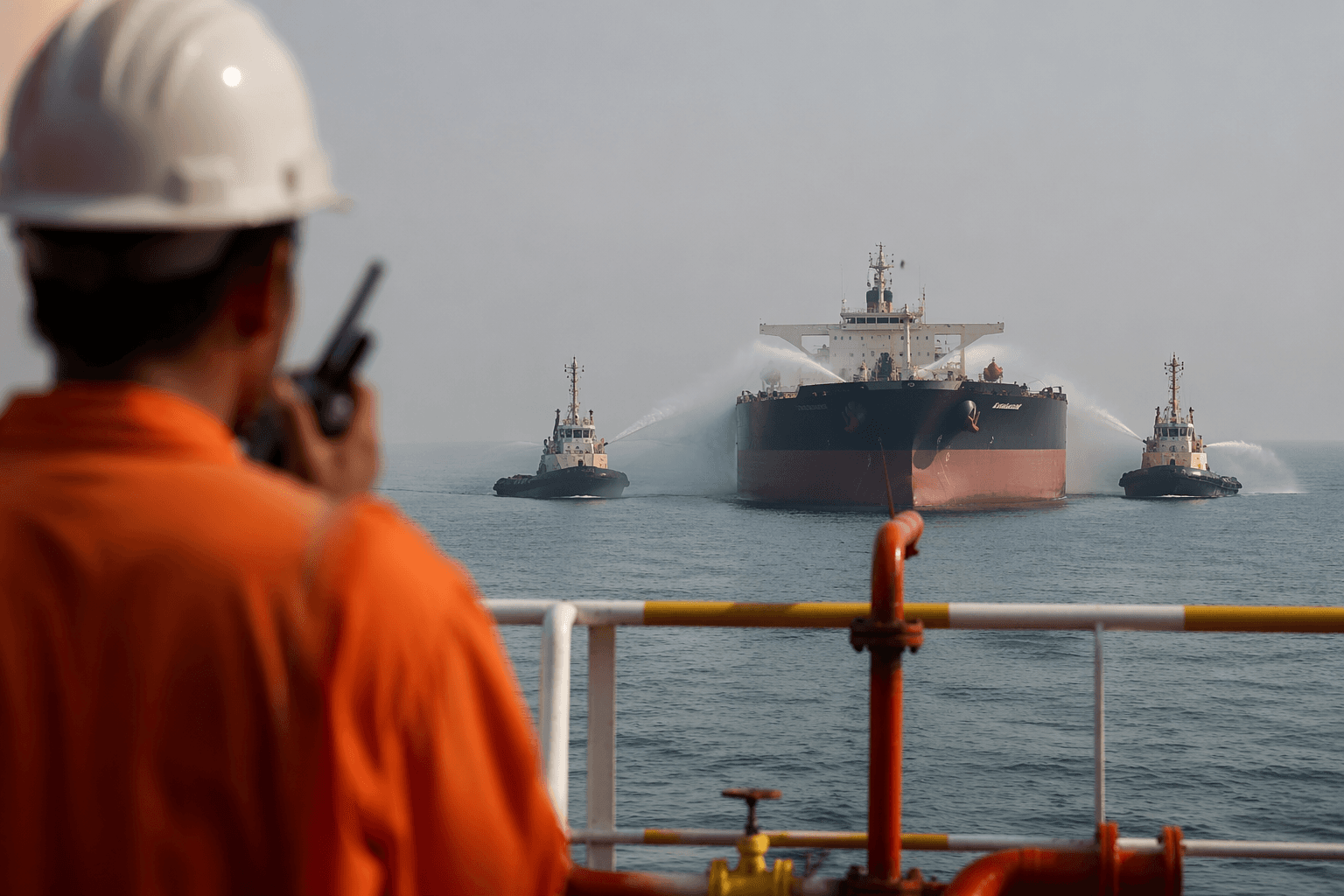
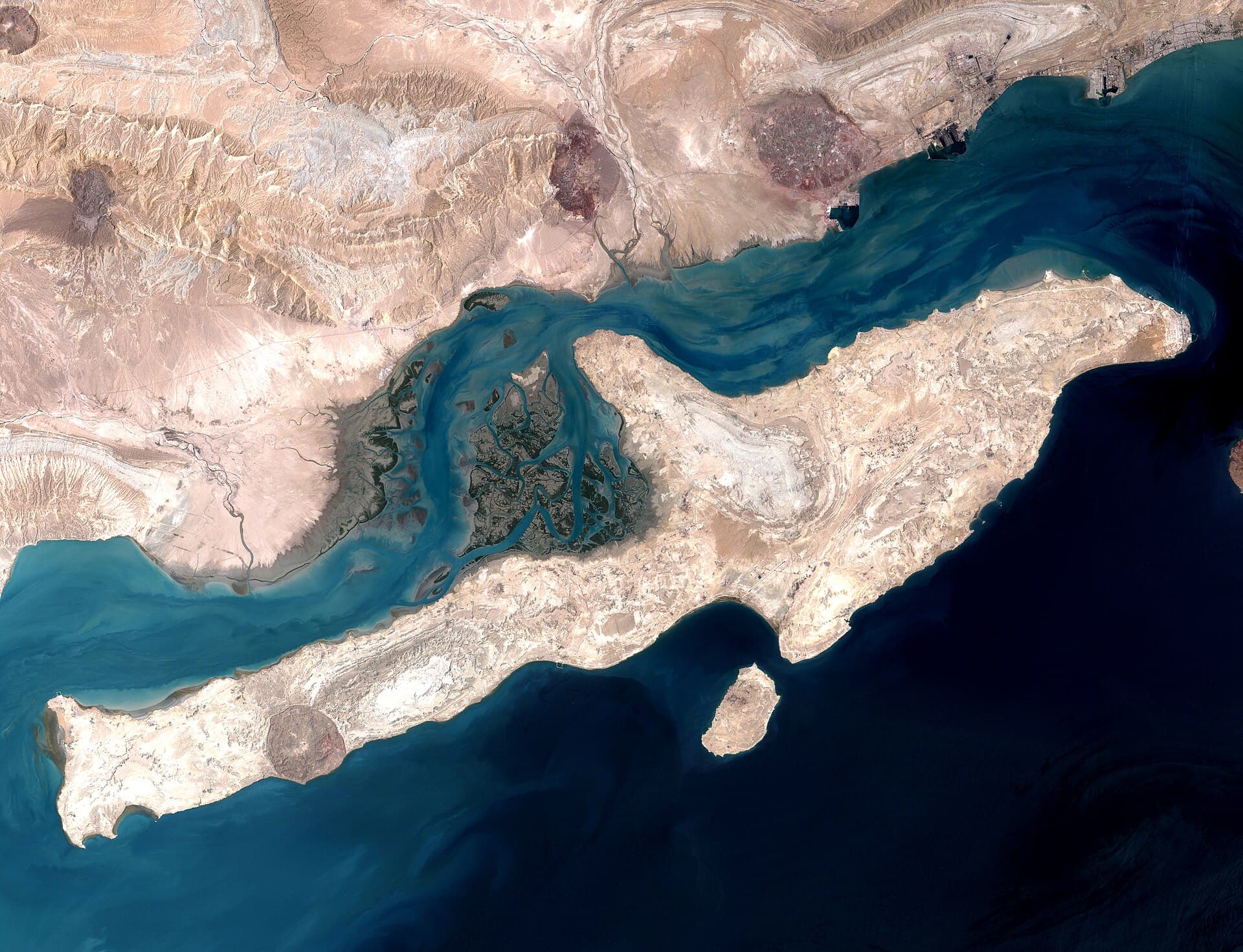
More crude is getting out of the Persian Gulf, but that is not the same as restoring confidence in one of the world’s most important energy corridors. Producers around the Strait of Hormuz are ramping up alternative routes and testing pipelines, yet the waterway still carries about 20 million barrels a day of oil and products, and any renewed disruption would quickly ripple through global prices, shipping and refinery operations.
The International Energy Agency said the war in the Middle East created the largest supply disruption in the history of the global oil market. It said crude and oil-product flows through Hormuz plunged from around 20 million barrels per day before the fighting to a trickle, while Gulf countries cut total oil production by at least 10 million barrels per day. More than 3 million barrels per day of regional refining capacity shut because of attacks and the lack of viable export outlets. Global observed oil stocks reached 8,210 million barrels in January, the highest since February 2021, underscoring how quickly the market has been forced to absorb the shock.
The stakes are unusually high because the strait is not just an oil chokepoint. The International Monetary Fund says about 25% to 30% of global oil and 20% of global LNG pass through Hormuz. The IEA also said Gulf producers exported 3.3 million barrels per day of refined products and 1.5 million barrels per day of LPG in 2025, volumes that help explain why disruption in the Gulf reaches far beyond crude benchmarks. The IMF has warned that energy importers in Asia and Europe are bearing the brunt of higher fuel and input costs, while low-income countries face a greater risk of food insecurity.
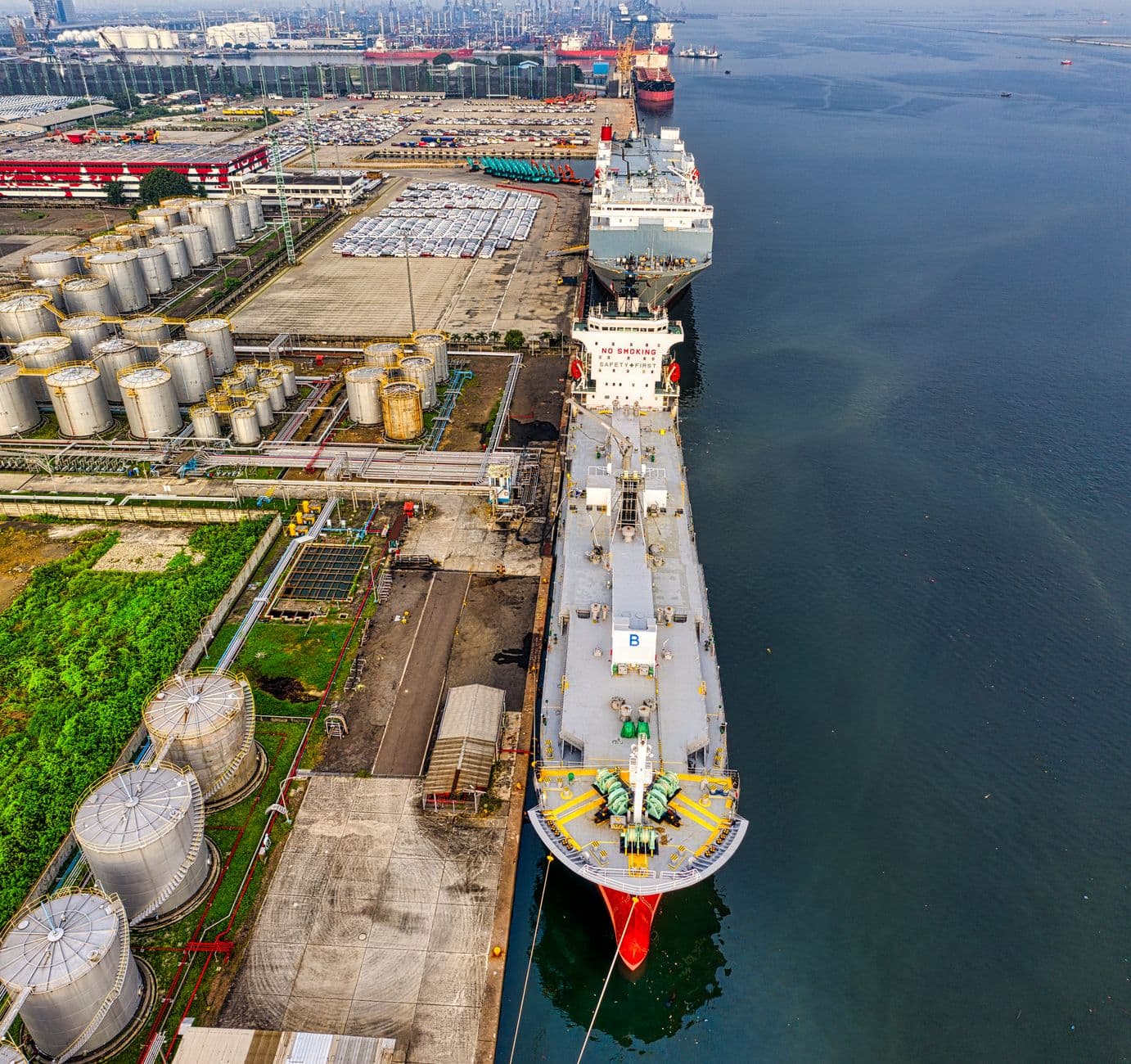
Countries with alternatives are moving fastest. Saudi Arabia, the United Arab Emirates and Iraq have pipeline or land-route options, but Kuwait, Qatar and Bahrain remain wholly dependent on Hormuz. Saudi Arabia’s key backup is the 5 million-barrel-a-day East-West pipeline, and ship-tracking data cited by S&P Global showed average June flows from the Ras Tanura terminal at 5.3 million barrels a day. Analysts say the most likely threats in the waterway are mines, cyberattacks and GPS jamming, tactics that could choke shipping without a formal closure.
Even with a reopening framework, a full return to pre-war production and refining levels may take weeks, months or even years. Some Iraqi output can resume in less than a week, while other fields may need up to six months to return to 90% of prior production. Gulf refineries could reach about 90% to 95% of capacity within 40 to 60 days if damage is limited, but damaged sites will take longer. For now, the market is watching not just whether oil moves, but whether it moves safely enough to hold.
This article was produced by Prism’s automated news system from verified source data, official records, and press releases, then run through automated quality and moderation checks before publishing. The system is built and supervised by the people who set the standards it runs under. Read our full AI policy.
Know something we missed? Have a correction or additional information?
Submit a Tip