Haiti clinches first World Cup berth since 1974 with win over Nicaragua
Haiti clinched its first men’s World Cup berth since 1974 with a 2-0 win over Nicaragua in Curaçao, igniting pride across a far-flung diaspora.
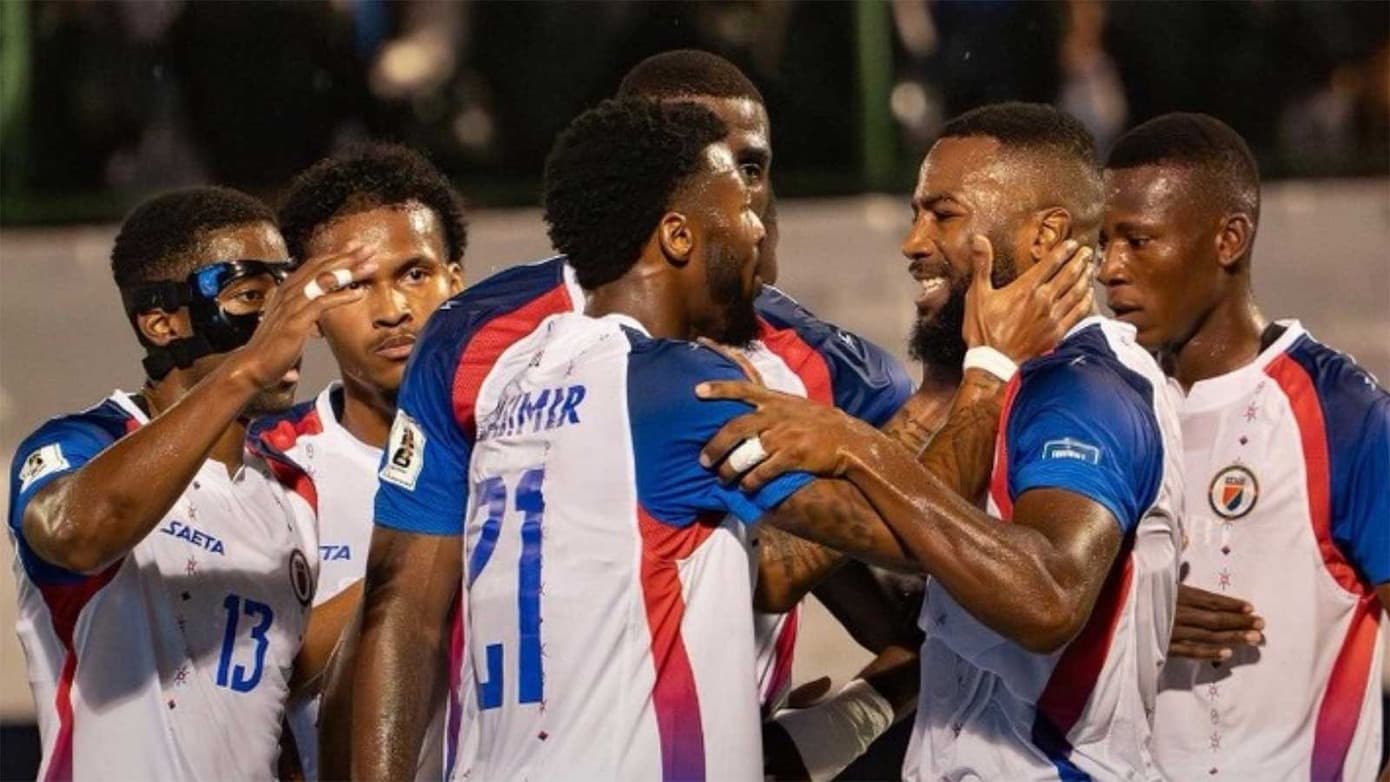
Haiti’s return to the men’s World Cup carried far more than a score line. With a 2-0 win over Nicaragua in Willemstad, Curacao, on Nov. 18, 2025, Haiti finished first in Concacaf Group C with 11 points and booked a place in the 2026 tournament, ending a 52-year absence from the global stage.
The achievement landed with unusual force because Haiti had to earn it without the comfort of home. Every one of its qualifying matches was played at a neutral site, yet the team still outpaced more established regional opponents, including Honduras and Costa Rica. FIFA framed the run as a defiance of the odds, and the numbers backed that up: Haiti closed the group above Honduras on 9 points, Costa Rica on 7 and Nicaragua on 4.

The last time Haiti reached a men’s World Cup, in 1974 in West Germany, the campaign ended in defeat against Italy, Poland and Argentina. Haiti lost all three group matches, scoring twice and conceding 14 goals. That history has made this return feel less like a routine sporting milestone than a national reckoning, a reminder that Haitian football has resurfaced on the biggest stage after decades of absence.

The emotional weight is sharpened by the makeup of the 2026 squad. Of the 26 players called in recent reports, only 10 were born in Haiti. Twelve were born in France to Haitian parents, one in Canada, one in Switzerland and two in the United States. Woodensky Pierre is the only player in the group who represents a Haitian club, underscoring how deeply the team reflects the country’s global diaspora.
Jozy Altidore understands that mix of pride and distance better than most. Born in New Jersey to Haitian parents and raised after his family moved to Boca Raton, Florida, the former United States international played at the 2010 World Cup and entered the U.S. youth residency system in 2004. In recent interviews, he has treated Haiti’s qualification as more than a football story, one that speaks to representation, resilience and a sense of national dignity for Haitians at home and abroad. Under Sébastien Migné, Haiti’s return has become a rare moment when sport and identity move in the same direction.
This article was produced by Prism’s automated news system from verified source data, official records, and press releases, then run through automated quality and moderation checks before publishing. The system is built and supervised by the people who set the standards it runs under. Read our full AI policy.
Did this article answer your question?

.jpg&w=1920&q=75)
