Haiti ends 52-year World Cup drought, a nation finds hope
Haiti reached the World Cup for the first time since 1974, and the joy of November 19 cut through a country where gangs control most of Port-au-Prince.
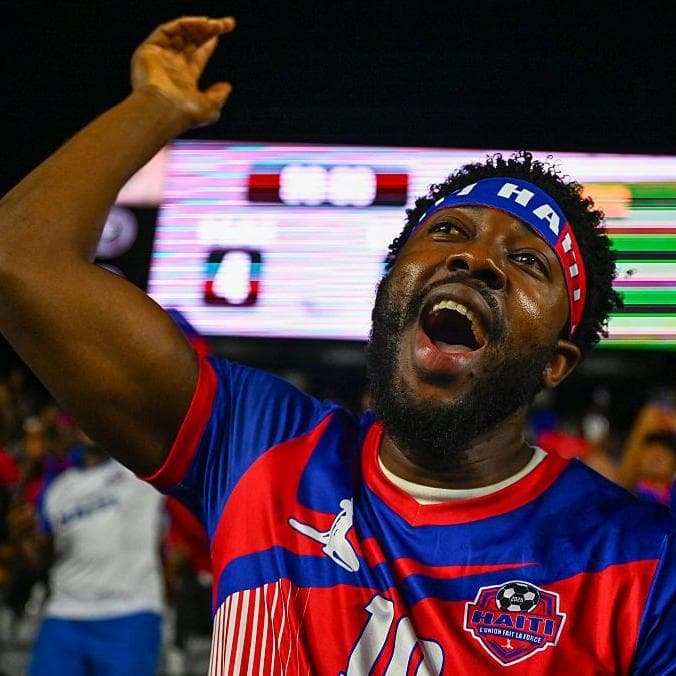
Haiti’s return to the men’s World Cup carried far more than a sporting result. When Sébastien Migné’s team beat Nicaragua 2-0 in Curaçao on November 19, 2025, it ended a 52-year absence from FIFA’s flagship tournament and gave Haitians a rare public moment of relief in a country battered by violence, displacement and political strain.
The qualification campaign itself reflected the country’s condition. Haiti played every qualifying match at neutral venues because gang violence made home fixtures impossible, and the national team had not played a home match for five years. Migné, appointed in March 2024, managed a side shaped by the diaspora and by players based abroad, a squad built as much from scattered talent as from any domestic football system still functioning inside Haiti.
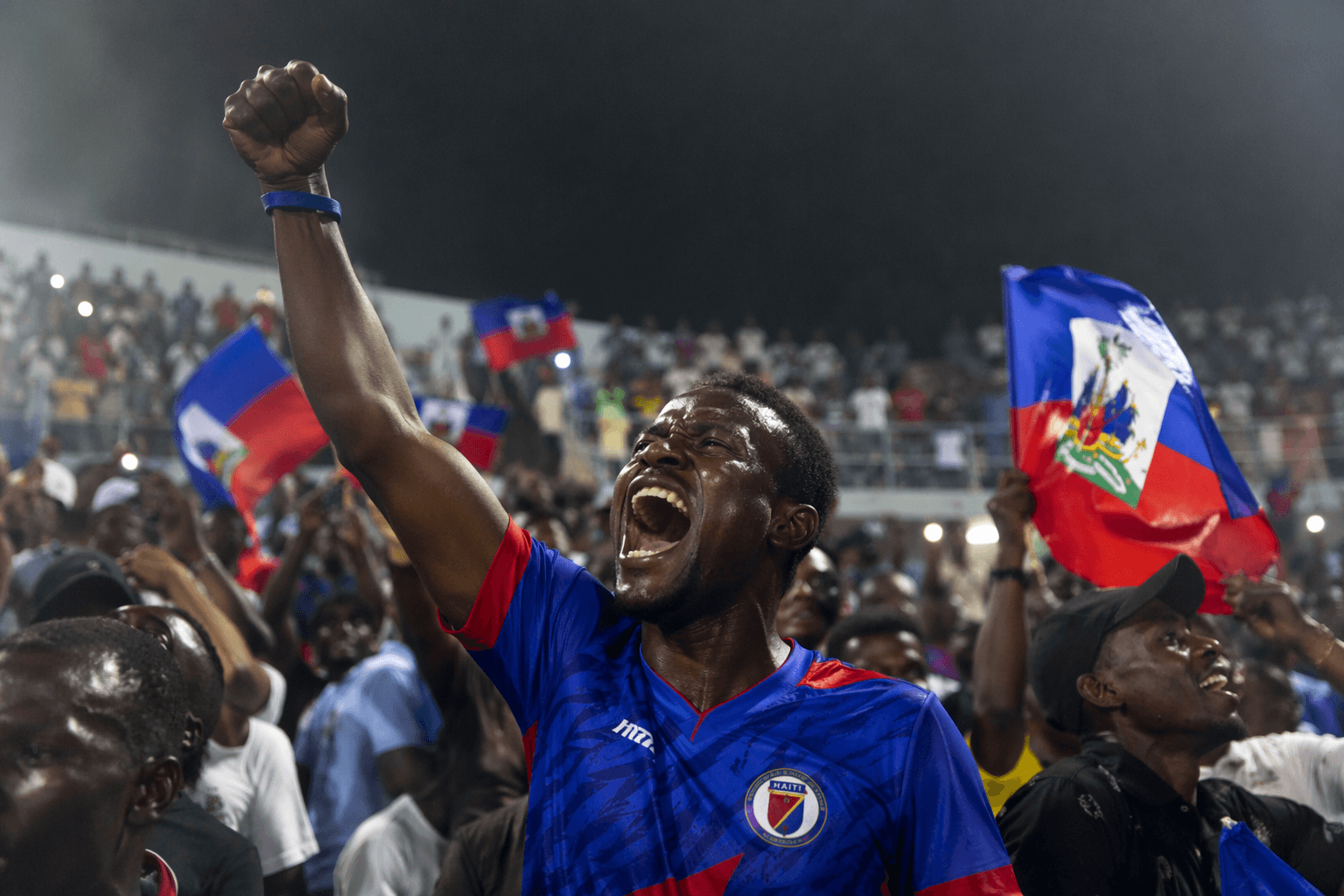
The scale of the celebration showed how much the result meant. Crowds filled streets in Port-au-Prince and fireworks lit the night after the final whistle, with Haitians treating the victory as a national event rather than a football result. In a country where the United Nations says gangs control about 90% of the capital, even one evening of unity carried unusual weight.
That hope sits beside a harsher reality. The same violence that forced Haiti’s matches away from home has driven mass displacement and deepened a humanitarian emergency. United Nations figures say the 2010 earthquake killed more than 220,000 people and displaced more than one million; today, U.N. reporting says the country’s broader security collapse has left more than 1.3 million people uprooted.
Football has long offered Haitians a language that politics and institutions have failed to provide. Support for Brazil has deep roots in Haiti, linked to Brazilian peacekeeping, humanitarian aid and migration ties. A UN-organized friendly against Brazil in 2004 briefly slowed the violence in Port-au-Prince for two days, a reminder of how powerfully the sport can still move the country’s streets.
Haiti’s place in Group C, alongside Brazil, Scotland and Morocco, revives that historic emotional link to Brazil while placing the team on one of the world’s biggest stages. Duckens Nazon, Haiti’s all-time top scorer, has said many players have never been to Haiti and need to be reminded of the country’s realities and the responsibility they carry. For Haitians facing electricity shortages, insecurity and the cost of travel that may keep many from the stands, the World Cup has become a distant stage for a very immediate hope.
This article was produced by Prism’s automated news system from verified source data, official records, and press releases, then run through automated quality and moderation checks before publishing. The system is built and supervised by the people who set the standards it runs under. Read our full AI policy.
Did this article answer your question?