Haiti’s revolution inspired freedom, and still unsettles America today
Haiti won freedom in 1804, then was punished with delay, debt, and intervention. That legacy still shapes America’s fears, policies, and myths about the country.
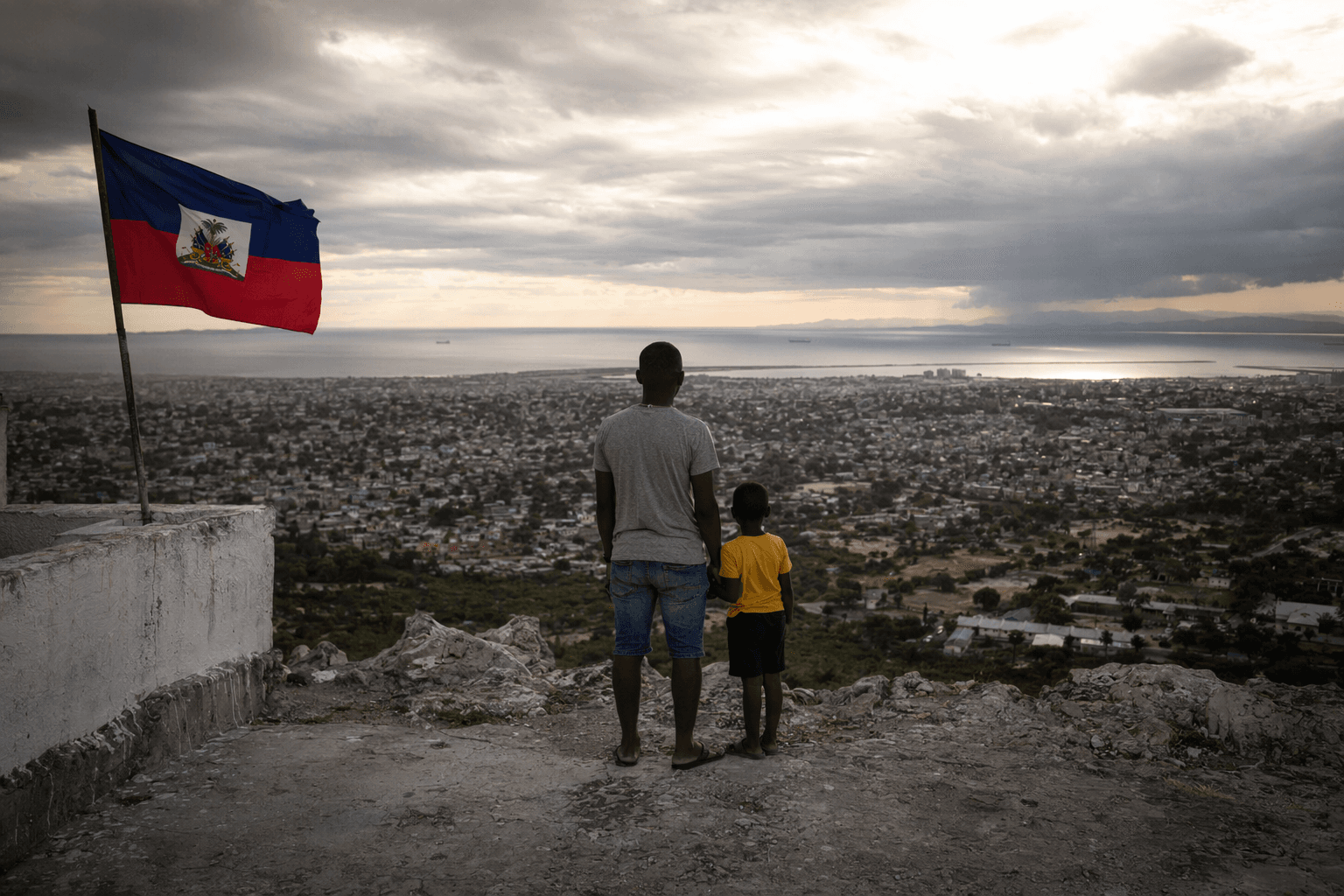
The revolt that remade the Atlantic world
Haiti’s revolution was not just a colonial uprising. From 1791 to 1804, enslaved Haitians, free people of color, colonists, and rival French, British, and Spanish forces collided in a struggle that ended with independence from France and the birth of a new republic on the western third of Hispaniola. Led through a turbulent cast that included Toussaint Louverture and Jean-Jacques Dessalines, the revolution produced something unprecedented: the only successful slave revolt in modern history, and the first nation founded by formerly enslaved people.
That fact alone explains why the revolution never stayed local. It reverberated across the Caribbean, the United States, and Europe, forcing slaveholding societies to confront a terrifying possibility: that bondage could be overturned by force. For enslaved people and free Black communities, Haiti was proof of political agency and self-liberation. For white elites, it was a warning that spread panic far beyond Saint-Domingue.
Why the United States looked away
The United States refused to formally recognize Haiti for decades, and that delay was not a bureaucratic accident. U.S. officials did not extend recognition until July 12, 1862, in the middle of the Civil War, after years of domestic debate over slavery and Black citizenship. White American leaders feared what Haiti represented: a successful violent rebellion by the oppressed, and a standing rebuttal to the idea that slavery could remain permanent.
That hesitation shaped American policy and American imagination at the same time. Haiti became a symbol onto which U.S. politicians projected anxiety about slave rebellion, emancipation, and the political meaning of Black freedom. The country’s existence challenged the racial order of the antebellum United States, and its refusal to disappear made it harder for slaveholders to pretend that Black self-emancipation was impossible.
The delay also left a durable mark on bilateral relations. Haiti was independent in 1804, but Washington treated it as a political problem for 58 more years. By the time Abraham Lincoln’s administration finally recognized the country in 1862, the damage from decades of avoidance had already helped harden mistrust that would outlive slavery itself.
France recognized Haiti, but not without a price
France’s response was more openly punitive. In 1825, King Charles X recognized Haitian independence only after extracting an indemnity that turned freedom into a financial trap. On April 17, 1825, Haiti agreed under pressure from French warships to pay 150 million gold francs to compensate former French plantation owners for lost property, including enslaved people.
That deal remains one of the starkest examples of postcolonial extraction in the modern era. Haiti had already won independence on the battlefield, yet France continued to wage pressure through finance, converting recognition into a bill that the new state could scarcely afford. The payment was later refinanced and repaid over generations, and historians widely view it as a crushing burden that constrained Haiti’s development from the start.
The logic of the indemnity mattered as much as the sum itself. France did not simply demand payment for land or crops. It asked a Black republic born from emancipation to compensate the former holders of human property, turning the old slave order into a permanent liability. The result was not merely debt, but a long economic head start for France and a long drag on Haitian state capacity.
The cost of freedom became the cost of building a state
Jean-Pierre Boyer, who governed Haiti after Dessalines, inherited a country that had to defend its sovereignty while trying to function under the weight of the indemnity. The numbers were punishing because the principle behind them was punishing: the world’s great powers were telling Haiti that Black self-rule would be allowed only on costly and humiliating terms. That message shaped the country’s fiscal choices for generations.
The economic consequences are inseparable from the political ones. A state that must divert scarce revenue to foreign creditors has less room to build infrastructure, strengthen institutions, or cushion shocks. In Haiti’s case, the indemnity did not just drain money; it distorted the country’s trajectory, narrowing the space for development long before modern crises entered the picture.
This is why any honest account of Haiti’s present has to begin with the history of its punishment. The country was not born unstable. It was born under siege, then forced to finance the recognition of its own existence.
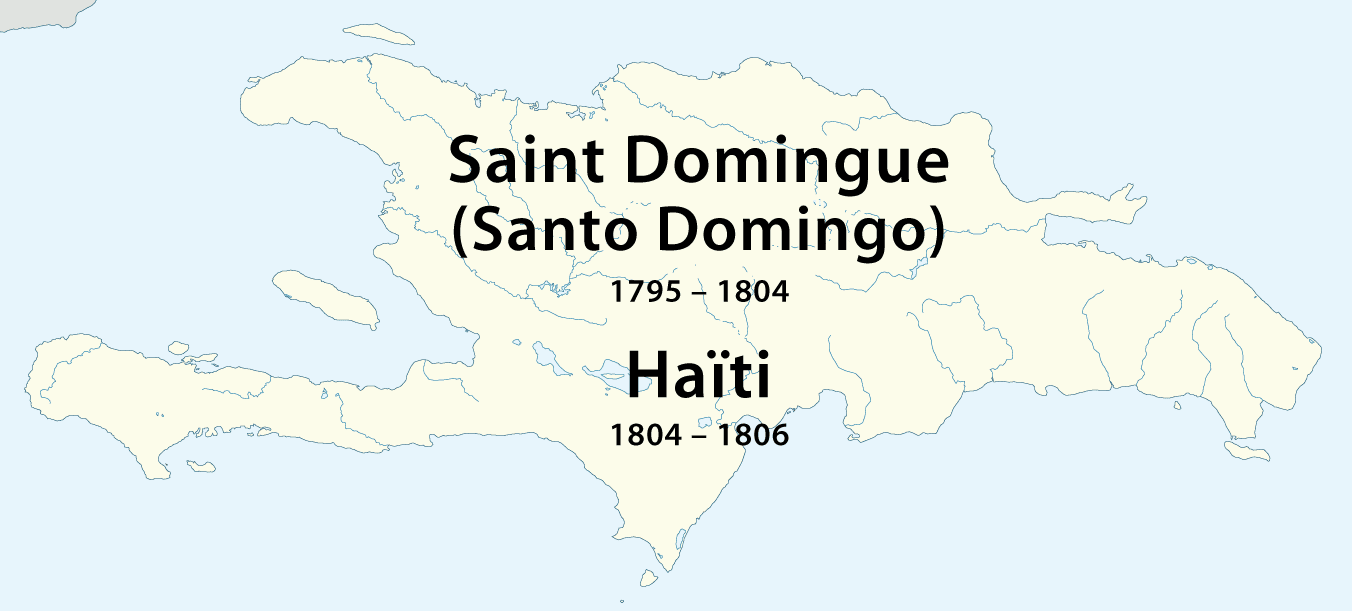
Occupation deepened mistrust and hardened the narrative
The United States added another chapter to that history by occupying Haiti from 1915 to 1934. That occupation became part of a longer pattern in which foreign powers treated Haiti less as a sovereign equal than as a strategic problem to be managed. For Haitians, it reinforced the sense that outside governments had long intervened in the country’s affairs while offering little support for genuine self-determination.
This history matters because it shapes present-day foreign policy choices and public narratives. Haiti is often discussed today through the language of emergency, breakdown, or chronic instability, but those labels erase the structural damage imposed by slavery, indemnity, and intervention. They also obscure the fact that Haiti is the second-oldest republic in the Western Hemisphere, after the United States, and one of the earliest modern experiments in Black sovereignty.
The distance between Haiti’s revolutionary achievement and its international treatment is the real story. Haiti declared independence in 1804, yet recognition came unevenly and late: from France in 1825, and from the United States only in 1862. The gap between liberation and legitimacy is not a footnote. It is the historical foundation of Haiti’s isolation.
The afterlife of the revolution is still with us
Haiti still unsettles America because its revolution exposes an uncomfortable truth: the modern Atlantic world was built not only on slavery, but on fear of Black freedom. That fear shaped U.S. debates over slavery, justified long delays in recognition, and helped normalize the idea that Haiti could be treated differently from other republics. It also left behind a persistent misconception that Haiti’s struggles are somehow self-generated rather than the result of repeated external punishment.
The record tells a different story. Haiti’s revolution was a world-historical act of self-emancipation, led by people who made freedom real against empires, armies, and a slave system that seemed immovable. What followed was not the normal reward for independence, but a long campaign of isolation, extortion, and intervention. That is the afterlife of Haiti’s revolution, and it still shapes how America sees the country, and how it sees the meaning of Black freedom itself.
This article was produced by Prism’s automated news system from verified source data, official records, and press releases, then run through automated quality and moderation checks before publishing. The system is built and supervised by the people who set the standards it runs under. Read our full AI policy.
Did this article answer your question?


