Hakimi leads Morocco into World Cup rematch with Brazil
Achraf Hakimi led Morocco into East Rutherford as a Group C rematch with Brazil opened the World Cup at MetLife Stadium, with nine Qatar 2022 veterans back in the squad.
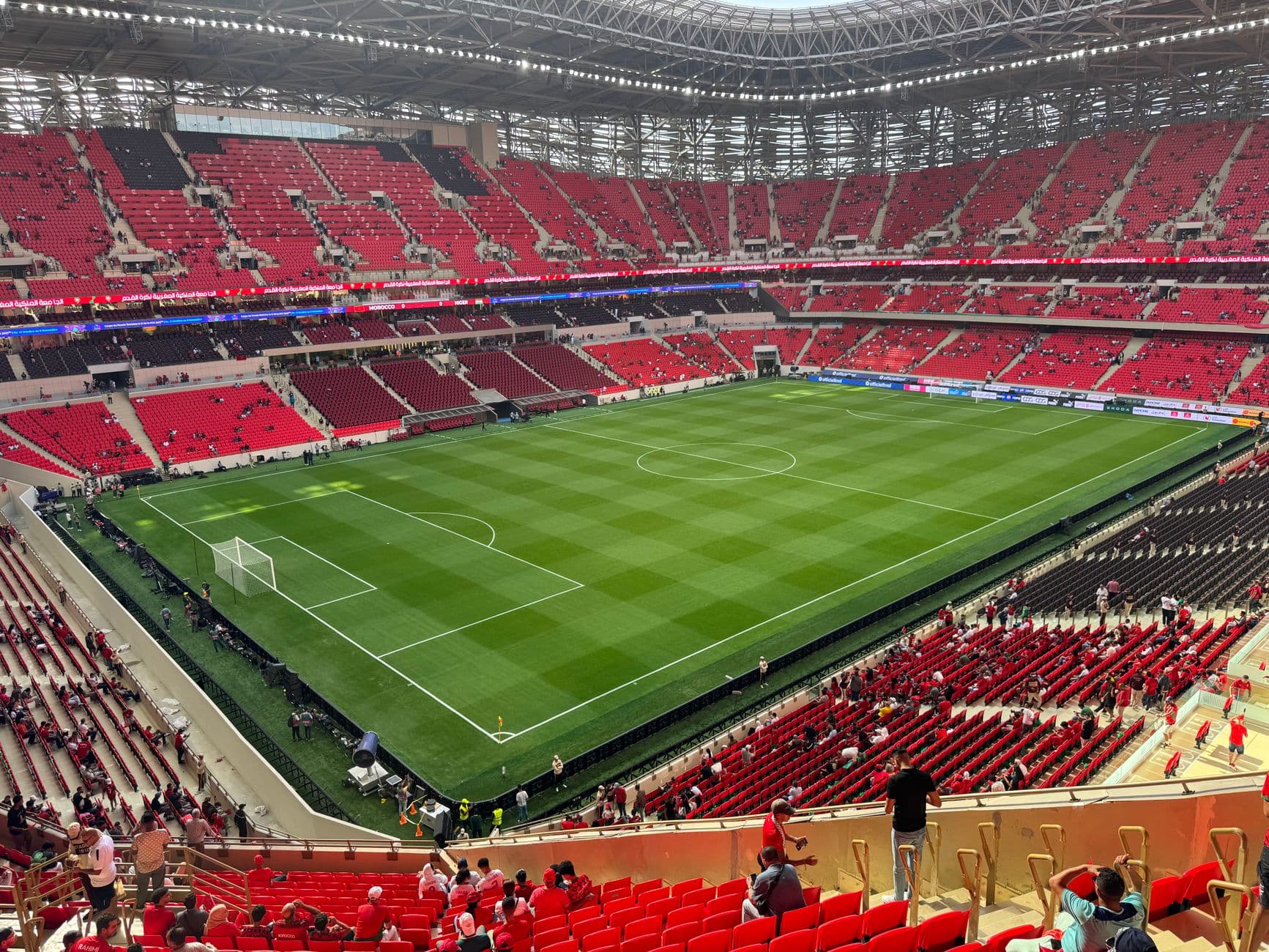
Achraf Hakimi led Morocco into East Rutherford with the World Cup spotlight fixed on more than the scoreboard. As the Paris Saint-Germain defender and Morocco’s captain, Hakimi arrived at the center of a matchup that has become as much about stature as sport, a meeting that carries the weight of Morocco’s rise and the global stage that now follows it.
Brazil and Morocco played Group C, Match 7 of the FIFA World Cup 2026 on Saturday, June 13, 2026, at 6:00 p.m. at New York/New Jersey Stadium in East Rutherford, New Jersey, the venue FIFA also identified as MetLife Stadium. The pairing placed one of football’s most decorated nations against a Morocco side that has turned its 2022 breakthrough into sustained relevance.

Morocco announced its 26-man World Cup squad on May 26, 2026, when coach Mohamed Ouahbi revealed the roster for the tournament. FIFA noted that nine players from the historic Qatar 2022 semifinal team returned to the group, a sign that Morocco entered the competition with continuity rather than novelty. That continuity matters because the squad has already shown it can survive deep into the knockout rounds, and because Hakimi now carries both the captain’s armband and the expectations that come with it.
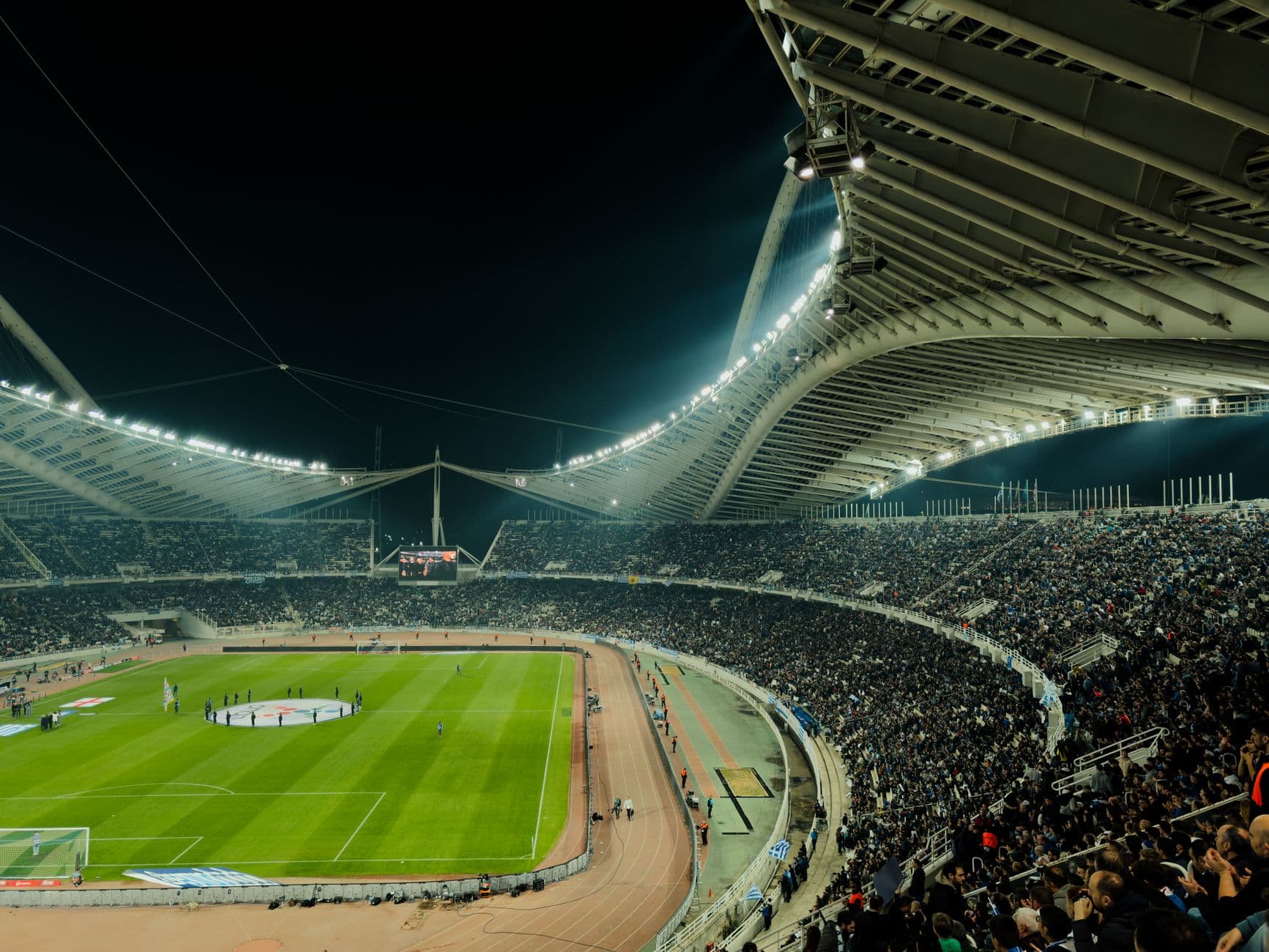
The matchup also reopened an older chapter. Brazil and Morocco last met at a World Cup in France in 1998, and FIFA framed the 2026 encounter as one played in completely different circumstances. Morocco arrived no longer as an outsider but as one of the strongest African sides of the modern era, with its 2022 semifinal run still shaping how opponents prepare for it and how the football public reads its presence.

That shift has changed the meaning of the walk from the tunnel to the pitch. For Morocco, and especially for a figure like Hakimi, the entrance itself now belongs to the World Cup image economy, where confidence, national identity, and personal brand travel together before the first whistle. In East Rutherford, the match began long before kickoff, with Morocco stepping into Brazil’s path as a team intent on proving that its new status is not temporary.
This article was produced by Prism’s automated news system from verified source data, official records, and press releases, then run through automated quality and moderation checks before publishing. The system is built and supervised by the people who set the standards it runs under. Read our full AI policy.
Did this article answer your question?

.jpg&w=1920&q=75)
